
Last updated November 25, 2026
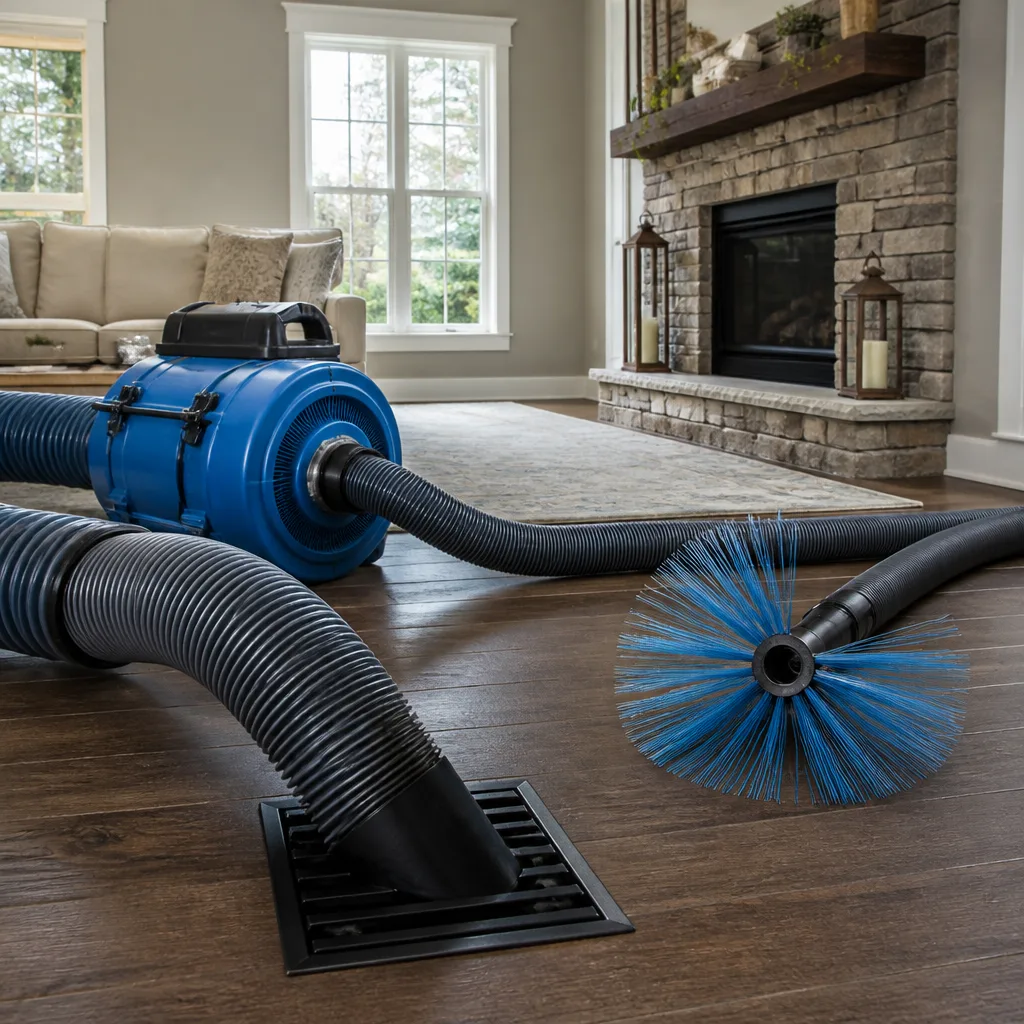 Whole-home duct cleaning
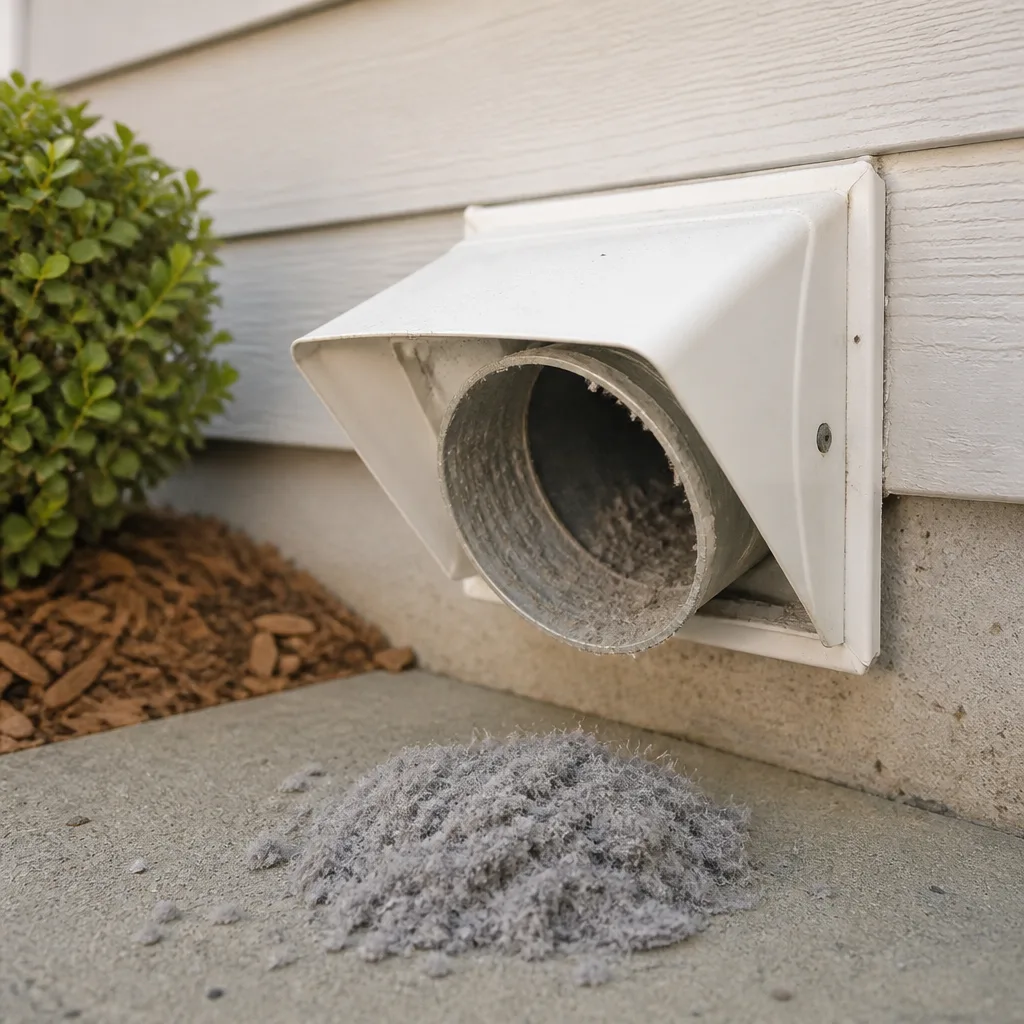 Dryer vent cleaning
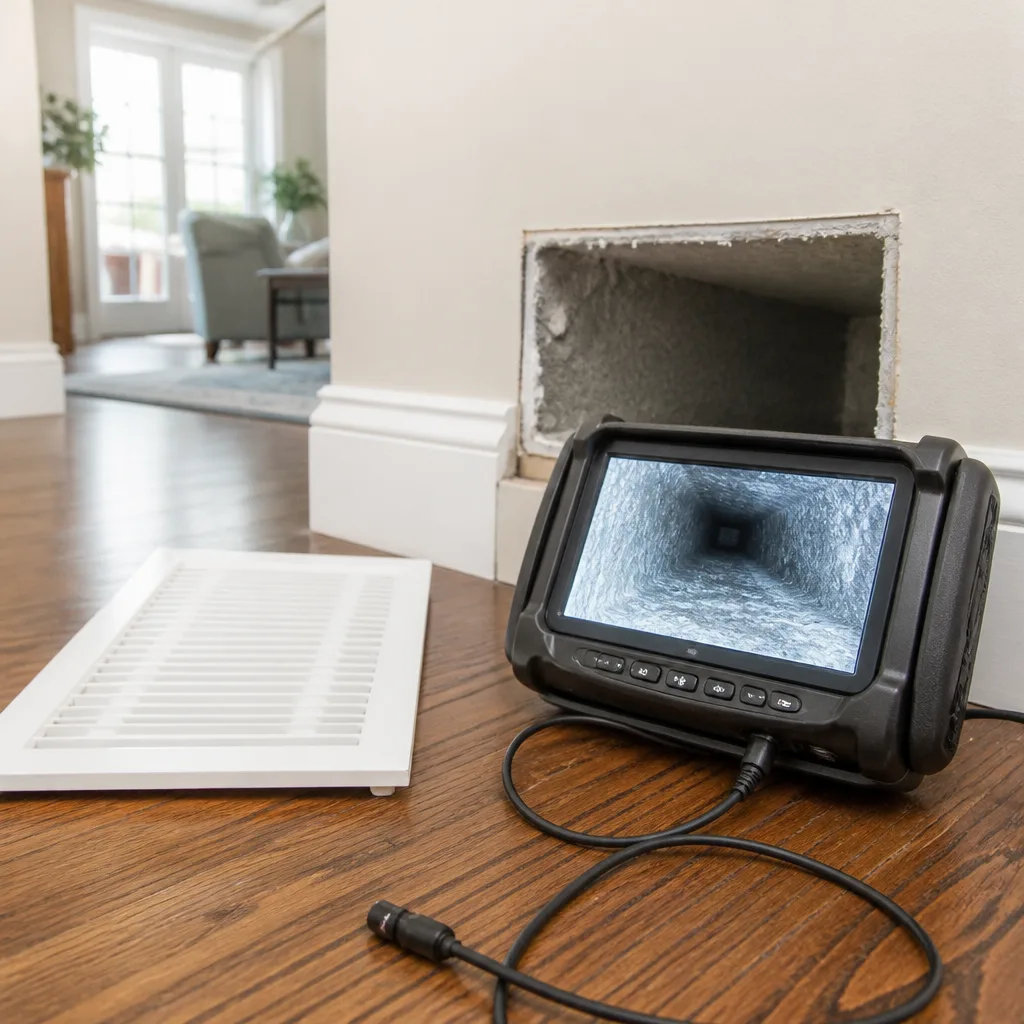 Camera inspection
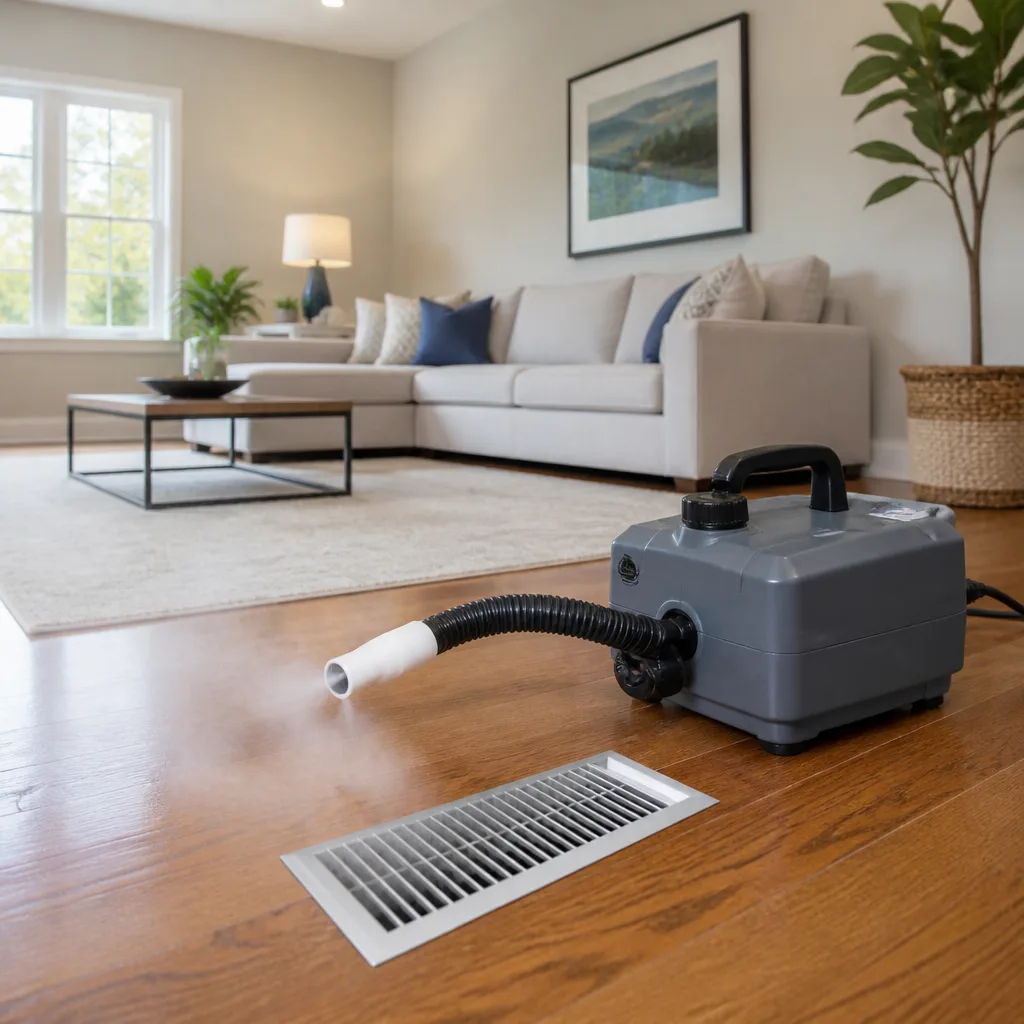 Sanitizing & deodorizing
Whole-system duct and dryer vent check with before-and-after photos - you see exactly what came out of your vents
That "$99 whole-house special" is a bait ad - the real number appears once they are in your hallway, or the "clean" is a shop-vac at the register. We photograph the inside of your ducts before and after instead.
Air Duct Cleaning Maintenance Schedule: What to Do and When
The “clean your ducts every 3 to 5 years” rule gets repeated everywhere, and it comes from a 1990s NADCA guideline written before modern high-MERV filtration, variable-speed air handlers, and the sealed duct construction used in most homes built after 2000. Applying a fixed calendar to a system it was never designed for means some Lake Stevens homes get cleaned too often while others go years past the point where buildup starts cycling back through the living space. This guide replaces the calendar with a condition-based schedule: an annual checklist, the Lake Stevens triggers that shorten intervals, and a simple history log so each cleaning decision rests on documented evidence rather than guesswork.
Quick Answer
Most Lake Stevens homes need professional duct cleaning every 3 to 5 years, but that’s a starting point, not a rule. If you have pets, recent construction, or a system that runs hard through wildfire smoke season, the right interval may be closer to 2 years. If you change filters on schedule, keep humidity in check, and see no visible debris, you can stretch to 5 to 7 years with an annual visual check. The only reliable way to decide is to inspect the system and track what you find.
Styles & brands we work with
- Whole-home duct cleaning
- Dryer vent cleaning
- Camera inspection
- Sanitizing & deodorizing
Table of Contents
- Why the “3 to 5 Years” Rule Falls Short
- The Annual Condition Checklist
- Lake Stevens Triggers That Shorten the Interval
- What You Can Do vs. What Needs Professional Equipment
- Construction and Remodel Dust: A Separate Category
- Logging Your Duct System History
- HVAC and Dryer Vent Schedules
- Best Time of Year to Schedule Cleaning
Why the “3 to 5 Years” Rule Falls Short
The standard interval was a reasonable shortcut in its day. Ducts in 1990s homes were typically rigid galvanized steel, filters were 1-inch fiberglass, and air handlers ran at one speed. None of that describes a house built in Lake Stevens after 2000, where you’re more likely to find flexible insulated duct runs, pleated filters rated MERV 8 to MERV 13, and variable-speed equipment that moves air at lower velocity for longer stretches. Those differences change how fast debris accumulates and where it settles.
Here’s the gap that matters: a fixed calendar can’t tell the difference between two homes on the same street. One has two dogs, a wood stove, and a remodel two years back. The other has no pets, a tight new build, and a filter changed like clockwork. Recommending the same interval to both means one system gets cleaned before it needs it while the other keeps recirculating settled debris long past the point where cleaning would have helped.
Our technicians have up to 10 years of experience, and in that time the pattern has been consistent: the homes that need cleaning more often almost always have a visible reason. Pets. Construction dust. A crawlspace that stays damp. A filter housing that hasn’t been opened in a while. The condition-based approach is simply about looking for those reasons before deciding.
What a condition-based schedule actually measures:
- Visible debris load at supply registers and inside return plenums
- Filter condition at change time – a filter that loads in weeks instead of months points to debris in the system
- Odor – musty or stale smells coming from registers suggest moisture or biological growth
- Airflow consistency – rooms that heat or cool unevenly can signal a restriction or a duct leak
- HVAC run time – longer runtime moves more air and deposits more particulate
- Environmental events – smoke seasons, remodels, new pets, or a roof replacement
The Annual Condition Checklist
Once a year, walk through this checklist before deciding whether it’s a “watch” year or a “clean” year. It takes about twenty minutes, requires no tools beyond a flashlight and a screwdriver, and gives you a written record you can compare year over year. Late summer or early fall is a good time in Lake Stevens because it follows smoke season and precedes the heating months when the system will run most.
- Open the filter housing and look at the filter. Note how long it’s been in place and how loaded it is. A filter that’s visibly gray and matted after a few weeks tells you the system is pulling in debris faster than normal.
- Shine a flashlight into the return plenum – the large duct just before the air handler. Look for dust accumulation on the walls, debris on the bottom, or anything that looks like biological growth. Photograph what you see.
- Remove two or three supply registers in different rooms and look inside the duct run. A light dust film is normal. A visible layer of debris, pet hair, or buildup at the boot tells you the system is loading up.
- Smell the air near several registers while the system runs. Musty, earthy, or stale odors point toward moisture or microbial growth, which is a separate service from debris removal.
- Check the crawlspace or basement for standing water, condensation on duct insulation, or a persistent damp smell. Wet ducts in a wet crawlspace change the cleaning timeline significantly.
- Note changes in airflow or comfort. A room that used to heat well and now doesn’t, or a system that runs noticeably longer, may have a restriction or a leak rather than just debris.
- Write down the date, what you found, and any events – new pet, remodel, roof work, wildfire smoke event. This is the entry that makes next year’s decision data-driven.
If the checklist surfaces nothing beyond light dust, it’s a watch year. Keep the filter schedule, check again next year, and skip the cleaning. If you find visible debris, odor, or moisture, that’s a clean year, and it’s worth having a professional look at the system rather than waiting.
Lake Stevens Triggers That Shorten the Interval
The national 3-to-5-year average was built for typical conditions. Lake Stevens doesn’t have typical conditions. Three local factors push the realistic interval shorter for many homes here, and none of them show up in a generic cleaning guideline.
Wildfire smoke seasons
Western Washington summers now routinely bring smoke events that push particulate levels up for days or weeks at a time. When outdoor air is smoky and windows are shut, the HVAC system becomes the main path for any smoke that enters the house, and the filtration in the system loads faster than it does in a normal year. A home that sees a heavy smoke season often needs its filter schedule tightened and the return plenum checked the following fall. Two or three smoky summers in a row is a reasonable reason to move a cleaning up.
Snohomish County pollen loads
Spring here brings a long, slow pollen release from the trees and grasses around the lake and the wooded lots that surround much of the city. Pollen gets drawn into return air, sticks to the inside of duct runs, and combines with household dust. Homes near the larger tree stands and those with a lot of surrounding vegetation tend to load up faster than homes in a cleared subdivision. If you have allergy sufferers in the house, this is one of the strongest reasons to shorten the interval and to look at higher-grade filtration with a HVAC cleaning visit that goes past the ductwork.
Wet crawlspaces and humidity
Much of the housing stock in and around Lake Stevens sits on crawlspaces, and crawlspace moisture is common in wet months. When duct runs pass through a damp crawlspace, condensation on the outside of insulated flexible duct can feed biological growth, and any leak in the duct drawing from that space can pull humid, musty air into the living space. A home that smells musty in the spring or after a wet stretch deserves an inspection even if the calendar says it isn’t time. This is where sanitizing as a separate service comes in: removing the moisture source and addressing biological growth on duct surfaces is different work from brushing out debris.
Combined, these factors mean many Lake Stevens homes should plan on a clean every 3 years rather than every 5, and some should plan closer to every 2. The home’s individual history is what decides.
What You Can Do vs. What Needs Professional Equipment
Stepping back from the calendar also means stepping back from the idea that all duct maintenance is the same job. Some of it belongs to you as a homeowner and is worth doing yourself. The rest requires equipment you can’t rent at a hardware store.
Homeowner tasks
- Filter changes – the single highest-impact task. Change on schedule, or sooner if the filter loads up.
- Register and grille cleaning – remove, wash, and dry supply and return grilles once or twice a year.
- Visual checks – the annual checklist above. Photograph and date what you find.
- Dampness control – keep the crawlspace dry, run bath and kitchen exhaust, and fix any duct insulation that’s become wet or torn.
- Keeping the return plenum clear – don’t stack boxes or furniture against return grilles.
Professional tasks
Cleaning the inside of the duct system itself is where consumer equipment stops working. A shop vacuum or a household vacuum can reach the first few feet of a supply run, but it can’t reach past elbows, across long flexible runs, or into a return plenum, and it does nothing useful for containment. What professional work actually involves:
- Rotary brush agitation – a Rotobrush-style rotary brush physically dislodges debris from duct walls rather than relying on suction alone. Suction pulls loose dust. A brush breaks up what’s bonded to the surface.
- Negative-air containment – Nikro negative-air equipment maintains pressure in the work area so dislodged contaminants are captured rather than pushed back into the living space. That’s the difference between cleaning the ducts and stirring them.
- Filtration – Abatement Technologies filtration is the equipment class used in professional mold and hazardous-material remediation. It captures fine particulate that a standard vacuum releases back into the air.
- Sanitizing – addressing biological contaminants on duct surfaces after cleaning.
- Repair and sealing – finding and closing the leaks that undo a good cleaning over time.
For a full walk-through of what the professional process covers, see our air duct cleaning service page.
Construction and Remodel Dust: A Separate Category
Nothing resets a duct cleaning timeline faster than construction. A remodel, a new addition, a roof replacement, or moving into a newly built home all change the debris picture overnight, and they don’t fit into a routine schedule at all. Post-construction duct cleaning is its own category, and it should happen on its own timeline.
Why it matters: drywall dust, sawdust, insulation fibers, and construction debris settle into the duct system while the work is happening, even when contractors seal the registers. Fine drywall dust is particularly hard on HVAC equipment because it gets pulled into the air handler and can coat the blower wheel and evaporator coil. Running the system during a remodel pushes that dust through the ductwork and into every room. Once construction dust is in the system, brushing it out is not optional maintenance – it’s a cleanup with a fixed job to do.
The right sequence:
- Seal regs during the remodel where possible, and run the system as little as you can while dust-generating work is happening.
- Consider a filter upgrade during the project and change it more often while work is under way. Higher-MERV filtration with the right equipment matters here.
- Do a full-system cleaning after the project is finished and the dust has settled, not before. Cleaning mid-project means doing it twice.
- Inspect the HVAC equipment too – blower wheel and coil can hold fine dust that duct cleaning alone won’t remove. A Honeywell or Aprilaire filter cabinet upgrade is sometimes the right follow-on after a major remodel, because it gives the system a better chance of keeping up with the dust that the ongoing use of the house generates.
For a newly built home in Lake Stevens, the timeline is similar. New-build systems pick up drywall dust, sawdust, and construction debris before the first homeowner ever runs the system. A post-construction cleaning in the first year sets a clean baseline, and everything after that is easier to judge because you know where you started.
Logging Your Duct System History
The condition-based schedule only works if you’re comparing this year’s findings to last year’s. Without a record, every cleaning decision becomes a guess, and you end up either over-cleaning out of anxiety or under-cleaning because you can’t remember when anything was done. A simple log fixes that, and it takes five minutes a year.
What to record:
- Date and result of each annual checklist – what you found, with photos of the return plenum and one or two supply runs.
- Every filter change – date and filter type (MERV rating if it’s printed). The pattern over a few years tells you whether your filtration is right.
- Every professional visit – what service was performed, and the before-and-after observations the technician made. Ask for this in writing.
- Events that affect the system – pets added, remodels, roof work, smoke seasons, water intrusion, HVAC equipment changes.
- Repairs and sealing work – leaks found and closed, insulation replaced, duct runs rerouted.
The before-and-after photos are the most valuable entries. They give you and any future technician a documented baseline, so the question stops being “do these ducts look dirty?” and becomes “how much has changed since the last cleaning?” That’s a much easier question to answer honestly, and it’s the one that keeps a maintenance schedule grounded in evidence rather than somebody else’s rule. If you’ve never had professional service in the home, getting one thorough baseline cleaning and photographing what comes out is the right starting point, and from there the schedule belongs to the house.
For the full picture of what a baseline cleaning and inspection involves, start with Lake Stevens Air Duct Cleaning and ask for the system walk-through.
HVAC and Dryer Vent Schedules
Air ducts are the largest part of the air pathway, but they aren’t the whole pathway. Two other moving parts of the system have their own schedules, and both interact with the duct cleaning timeline.
HVAC equipment cleaning
The air handler, blower wheel, evaporator coil, and drain pan collect dust and, in wet conditions, biological growth. Coil cleaning matters for two reasons: a dirty coil can’t transfer heat efficiently, and a coil with growth on it becomes a source that feeds the ductwork downstream. In a home with dusty filters, pets, or a recent remodel, the coil and blower often need attention at the same time as the ducts. Our HVAC cleaning covers those components as a scheduled part of the maintenance cycle rather than an emergency repair.
Dryer vent
Dryer vent cleaning runs on its own schedule, and it’s a safety item rather than a comfort item. Lint accumulates in the vent and in the transition duct behind the dryer, and a clogged vent slows drying and creates a fire hazard. A reasonable interval is once a year for a household that does regular laundry, and more often for larger households or longer vent runs. It’s also worth doing anytime you notice clothes taking longer to dry or the outside vent flap not opening fully. Regular dryer vent cleaning keeps this off the list of things you discover the hard way.
Best Time of Year to Schedule Cleaning
There’s no wrong month to clean ducts, but some months are better than others for a Lake Stevens home. The goal is to clean before the system runs hard, not in the middle of the season when it’s carrying the most air.
- Early fall (September – October): the best window for most homes. Smoke season has passed, the heating months are ahead, and a cleaning now means clean air through the winter when windows stay shut.
- Late spring (May – June): the second-best window, and a good choice if you’re heading into allergy season with a home that loads up on pollen. This is also the natural time to pair duct cleaning with HVAC cleaning before the cooling months.
- After a remodel: once the dust-generating work is done, whenever that falls.
- Before a new baby, houseguests, or a family member with a new allergy diagnosis: any time, on need rather than season.
One more consideration: pair the cleaning with a duct repair and sealing inspection. A cleaning removes what’s in the system, but leaking or disconnected ducts let new debris in and let conditioned air escape. Our teams find and seal those problems as part of the visit, which is the difference between a cleaning that lasts and one that has to be repeated. Clean ducts are only part of the picture, and sealed, intact ducts keep them that way.
Common Mistakes to Avoid
- Following the calendar instead of the conditions. The 3-to-5-year rule was written for homes unlike most of the Lake Stevens stock. If your annual check finds nothing, waiting a year is not neglect.
- Skipping the annual checklist. A quick walk-through once a year is what makes the whole schedule work. Without it, every decision is guesswork, and guesswork tends to swing toward either over-cleaning or an overdue system.
- Running the system through a remodel and cleaning “later.” Dust pulled through the system during construction ends up in every room. Seal registers where you can and plan a post-construction cleaning, not a routine one.
- Treating a musty smell as normal. Odor from registers almost always points to moisture, not just dust, and it needs a different service than debris cleaning. Sanitizing addresses biological growth; brushing alone doesn’t.
- Skipping the dryer vent because ducts got cleaned. They’re separate systems and the dryer vent is a fire-safety item. It deserves its own yearly schedule.
- Not asking for before-and-after documentation. Photos are the one thing that turns “we cleaned your ducts” into something you can verify. Ask for them.
- Cleaning often but never fixing leaks. A cleaning with a leaking or disconnected duct run recontaminates faster. Repair and sealing is what keeps a cleaning worth having.
See the difference
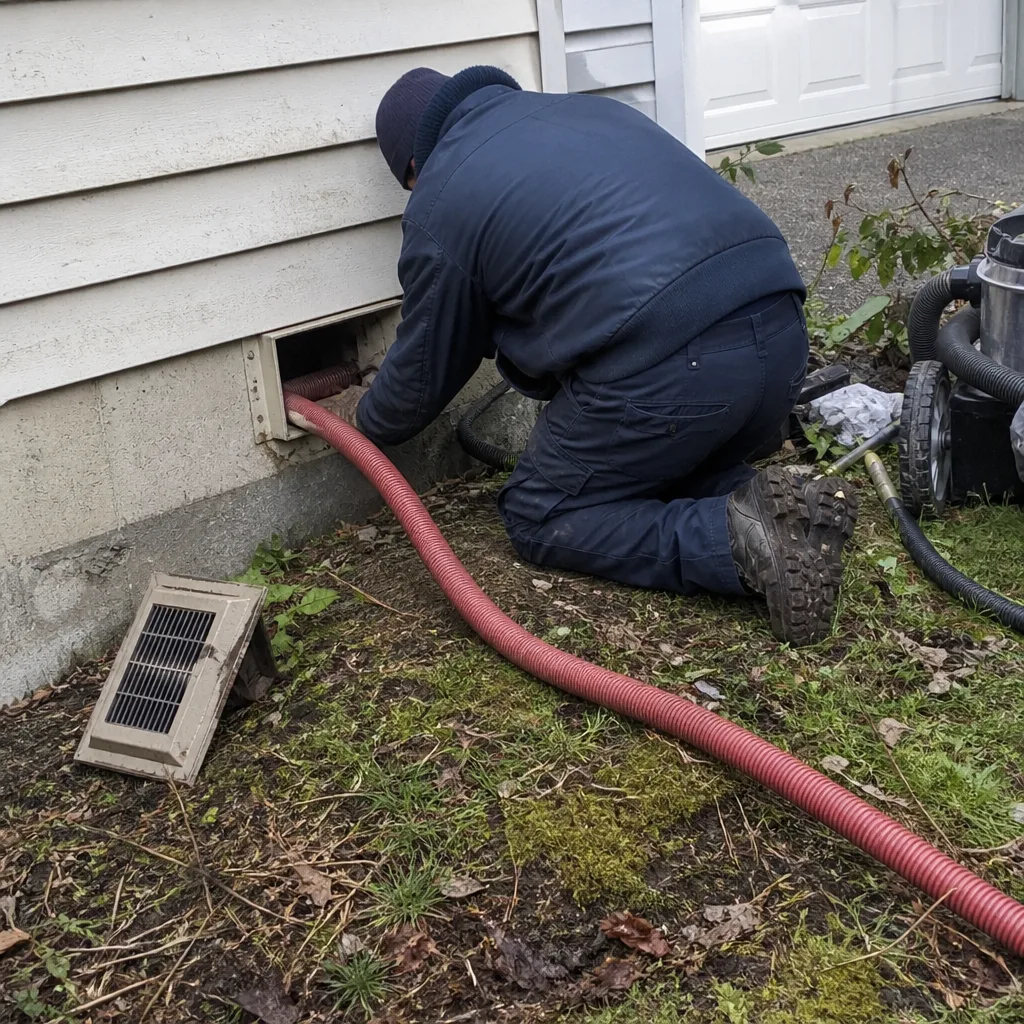 Before
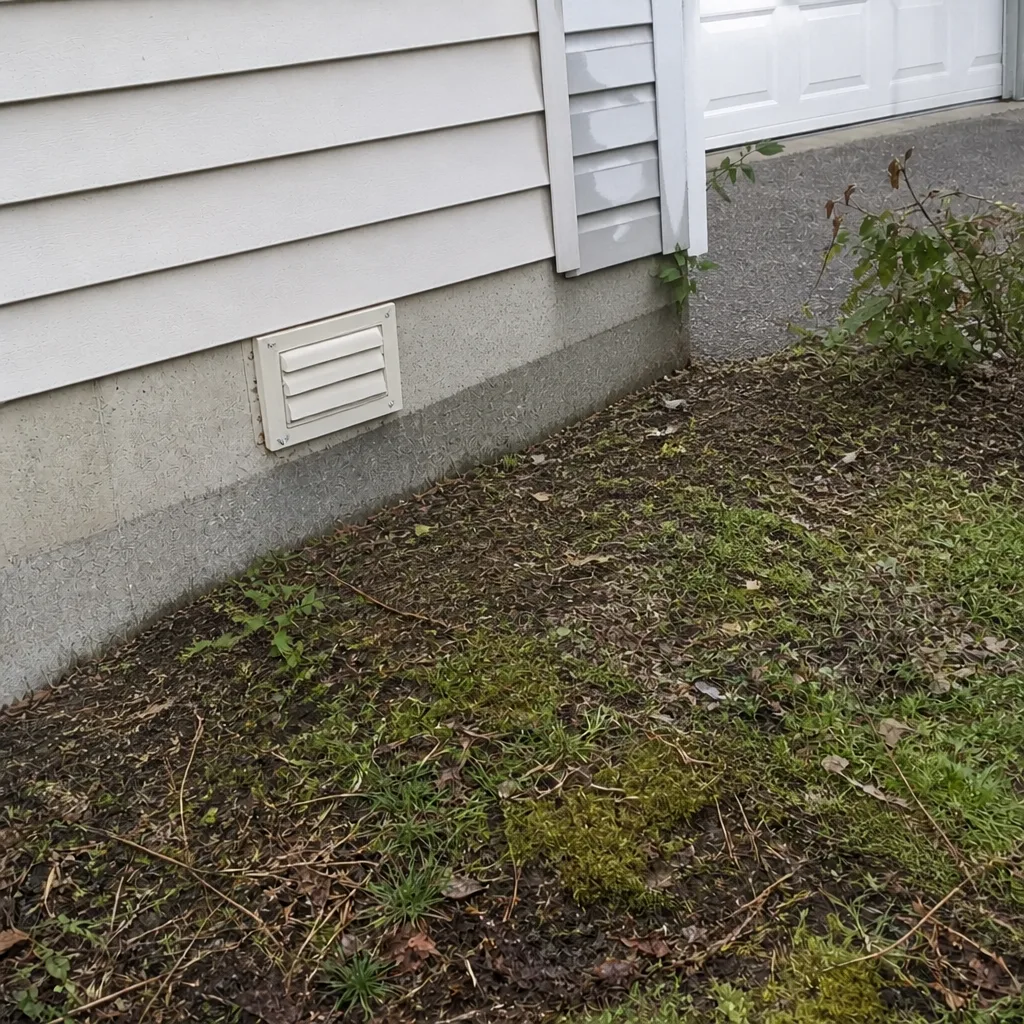 After
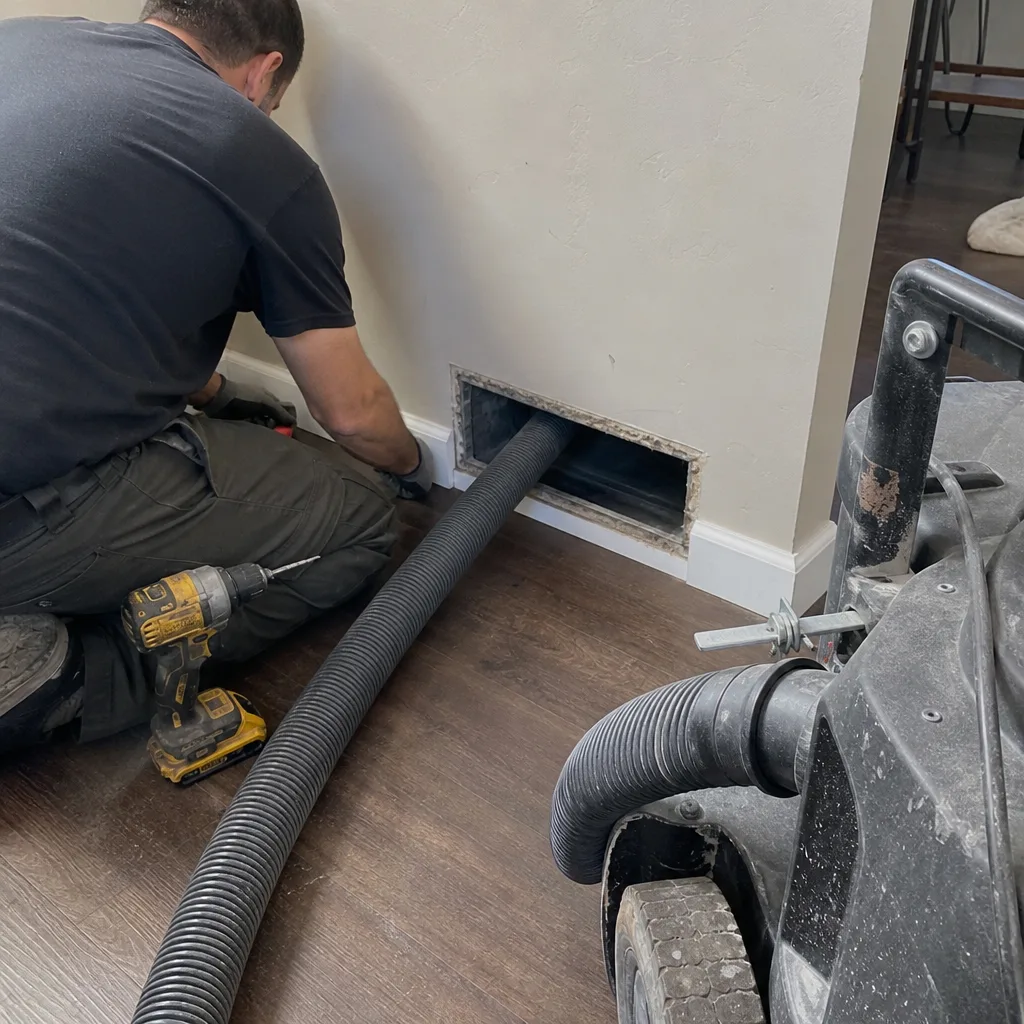 Before
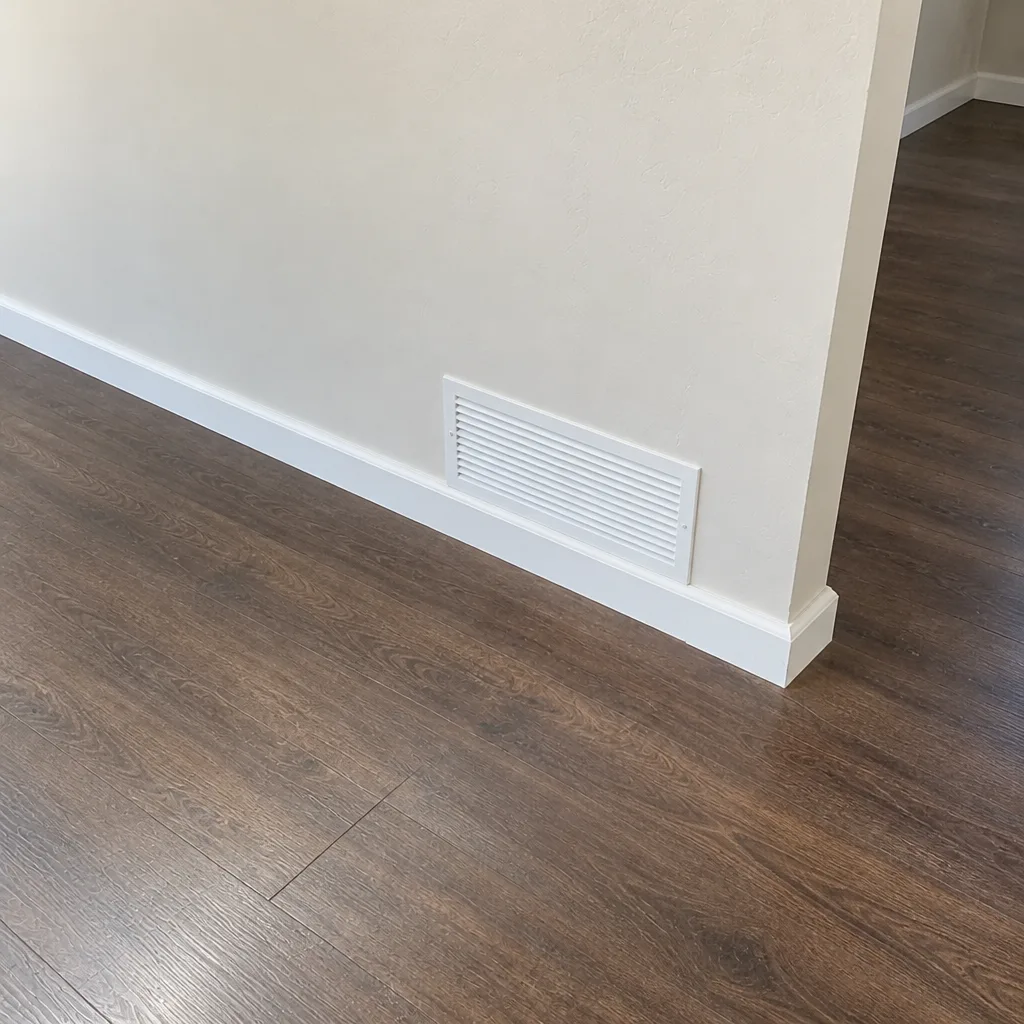 After
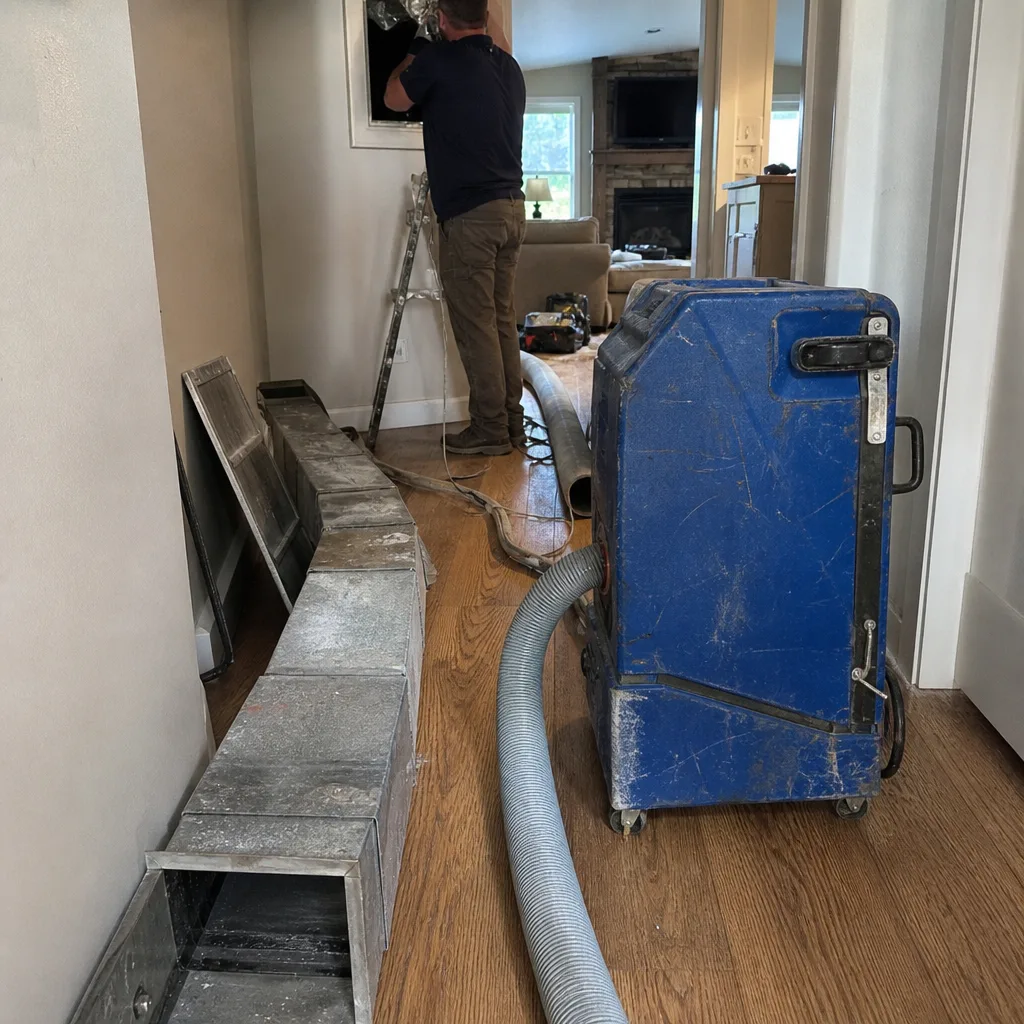 Before
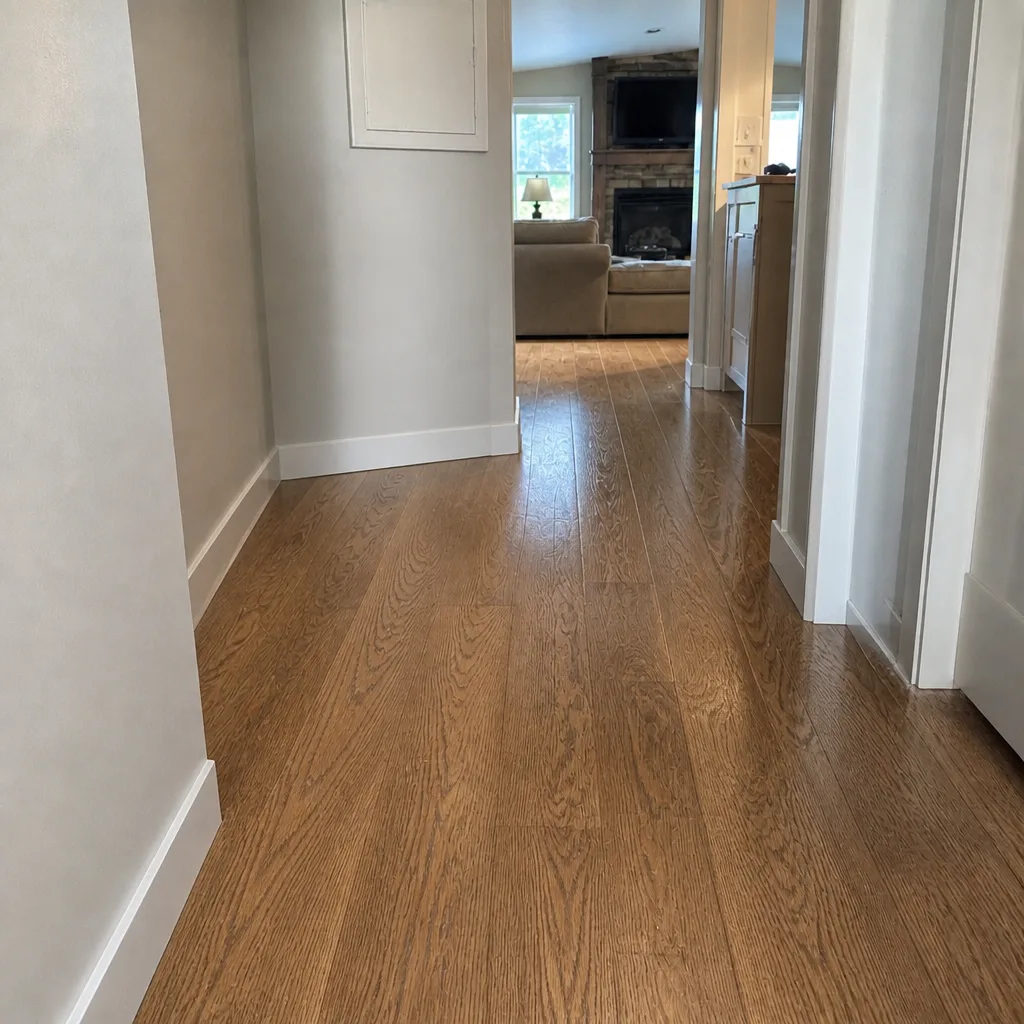 After
When to Call a Professional
Call a professional when your annual checklist surfaces something you can’t fix with a filter change. That includes visible debris inside supply or return runs, a musty odor from registers at any time of year, condensation on duct insulation or a damp crawlspace, a recent remodel or new construction, and any system that has never had a professional cleaning. It also includes a dryer that takes noticeably longer to dry clothes, or an outside vent flap that doesn’t open fully when the dryer runs. If you’re unsure whether it’s a watch year or a clean year, an inspection settles the question, and the findings become the first entry in your history log.
Lake Stevens Air Duct Cleaning offers free estimates in Lake Stevens – call (855) 726-7819. We answer 24/7. Fast dispatch from 7am to 7pm, Sunday through Friday.
Frequently Asked Questions
Most Lake Stevens homes fall in the 3-to-5-year range, but the right answer depends on the home’s individual conditions. Homes with pets, recent construction, allergy sufferers, or a wet crawlspace typically need cleaning closer to every 2 to 3 years. Homes with well-maintained filtration and no visible debris can comfortably stretch to 5 to 7 years with an annual visual check. Call (855) 726-7819 for an exact estimate – estimates are free.
The cost depends on the size of the system, the number of runs, and how much buildup has accumulated. We quote a flat price per system after inspecting, agreed before any work starts, rather than pricing per vent. Call (855) 726-7819 for an exact quote – estimates are free.
Low quotes are usually low for a reason: the price may cover only the visible registers, the equipment may be a consumer vacuum rather than professional negative-air containment, or the quoted price may not include sanitizing or an inspection. A cheap cleaning that reaches the first few feet of each duct leaves the system as it was. Ask what equipment is being used and what the quote actually covers before comparing prices. Call (855) 726-7819 for an exact quote on a full-system clean – estimates are free.
Ask for before-and-after photos of your own system, taken during the visit. Photos of the return plenum and a few supply runs, with the date, are a documented record and part of the maintenance log that guides your next cleaning decision. A written summary of what was found and what was done is standard. Call (855) 726-7819 for an exact quote – estimates are free.
Yes. Post-construction cleaning is a separate category from routine cleaning, and a remodel, addition, roof replacement, or new build introduces drywall dust and construction debris into the system that ordinary maintenance won’t address. Schedule it after the dust-generating work is finished, not during. Call (855) 726-7819 for an exact quote – estimates are free.
Cleaning removes debris: dust, pet hair, pollen, construction dust. Sanitizing treats biological contaminants on duct surfaces, such as mold spores and bacteria, which is a different service and often follows a cleaning when moisture or odor has been an issue. Both are covered on the same visit when the inspection calls for them. Call (855) 726-7819 for an exact quote – estimates are free.
The Bottom Line
The “every 3 to 5 years” rule is a starting point, not a schedule. What actually determines when your ducts need cleaning is the condition of the system in your home: how fast the filter loads, whether there are pets or recent construction, how the crawlspace behaves in wet months, and how many smoke events the system has pushed through. Run the annual checklist, keep a simple log with photos and dates, do the homeowner tasks yourself, and call a professional when the checklist finds something real. A condition-based schedule cleans when the system needs it, and that’s less often and more effective than cleaning on someone else’s calendar.
If you’d like a baseline inspection and a straight answer about whether this is a watch year or a clean year, call (855) 726-7819. We answer 24/7. Fast dispatch from 7am to 7pm, Sunday through Friday. Estimates are free, and we’ll show you what we find before any work begins.
Written by the team at Lake Stevens Air Duct Cleaning.