
Last updated November 25, 2026
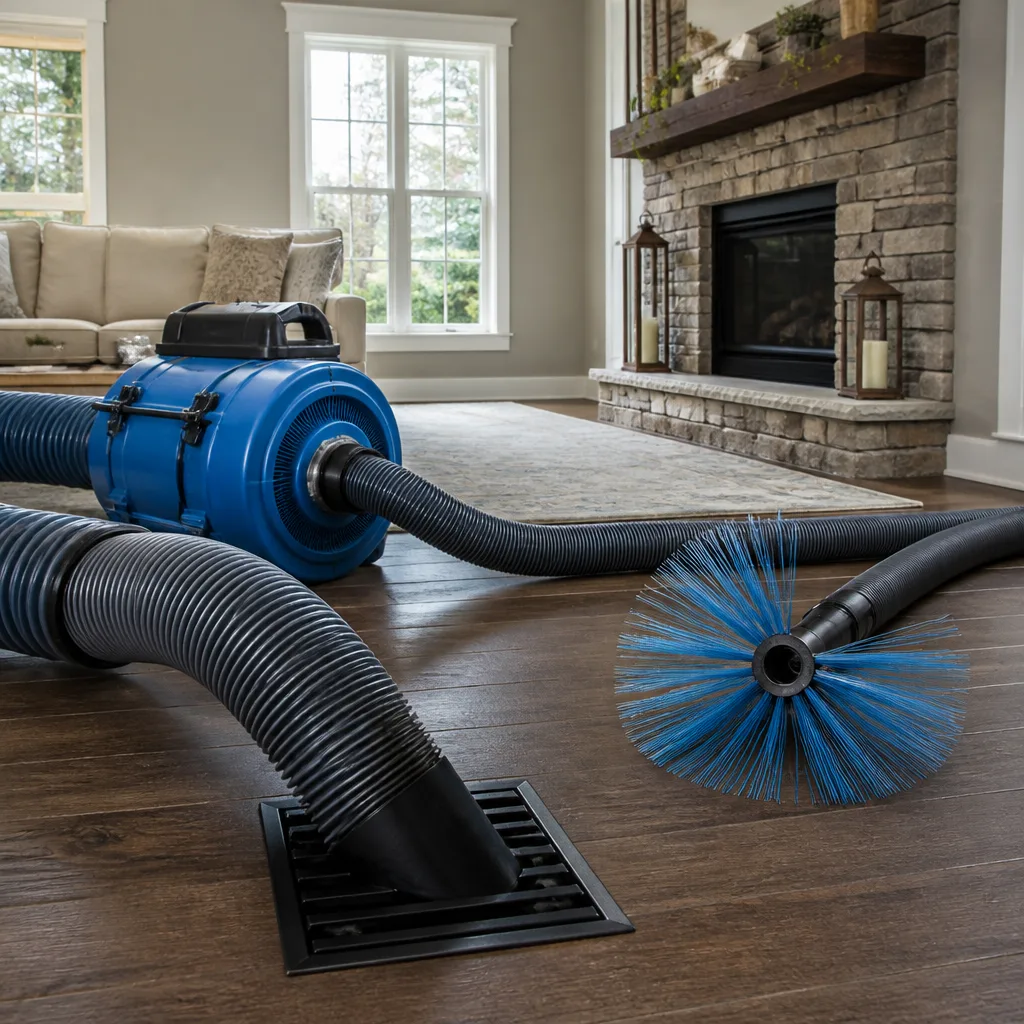 Whole-home duct cleaning
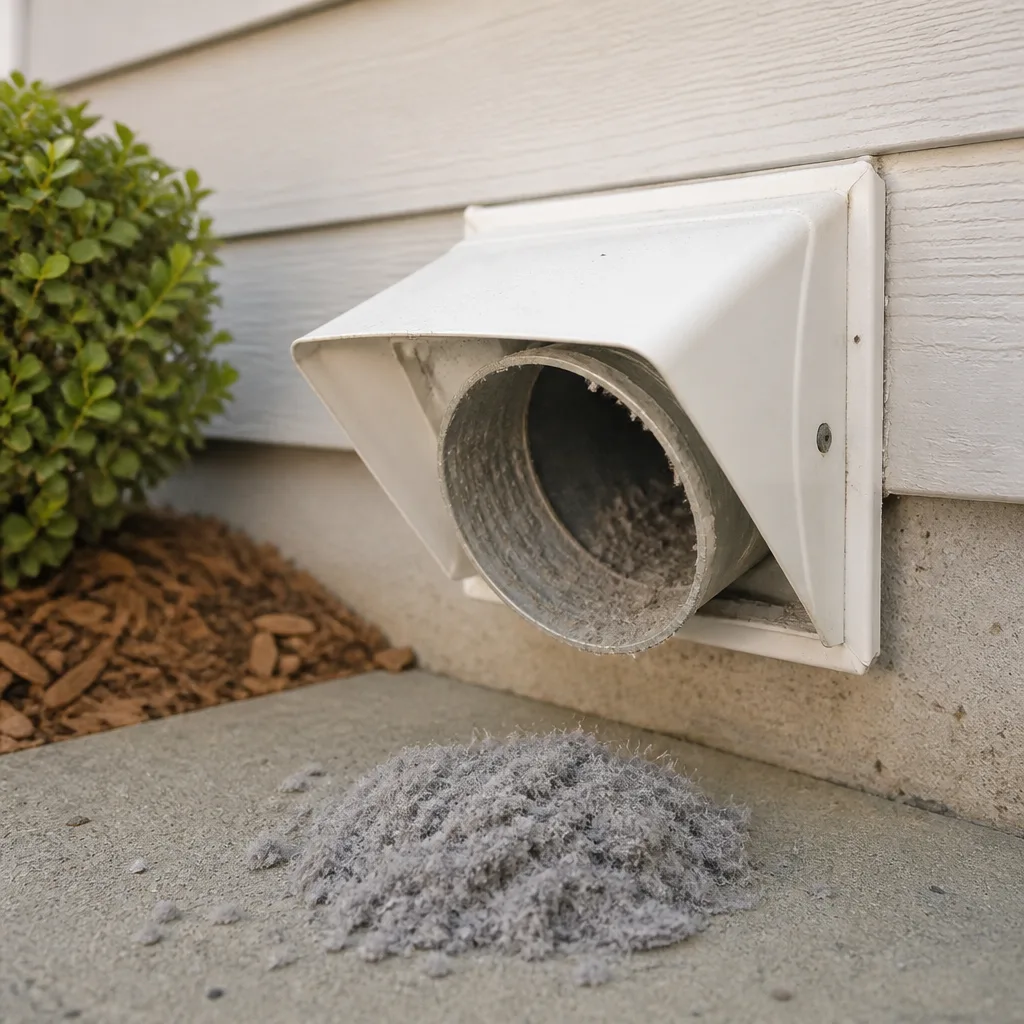 Dryer vent cleaning
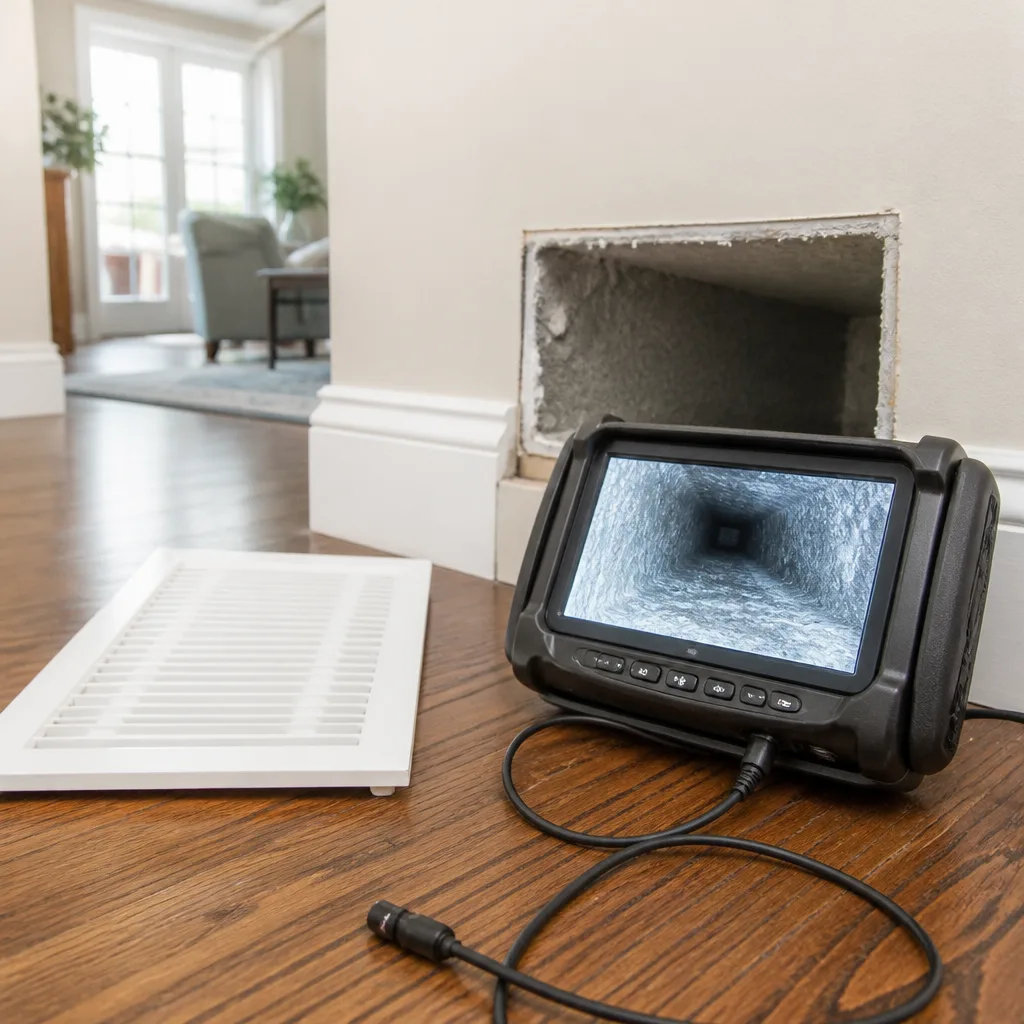 Camera inspection
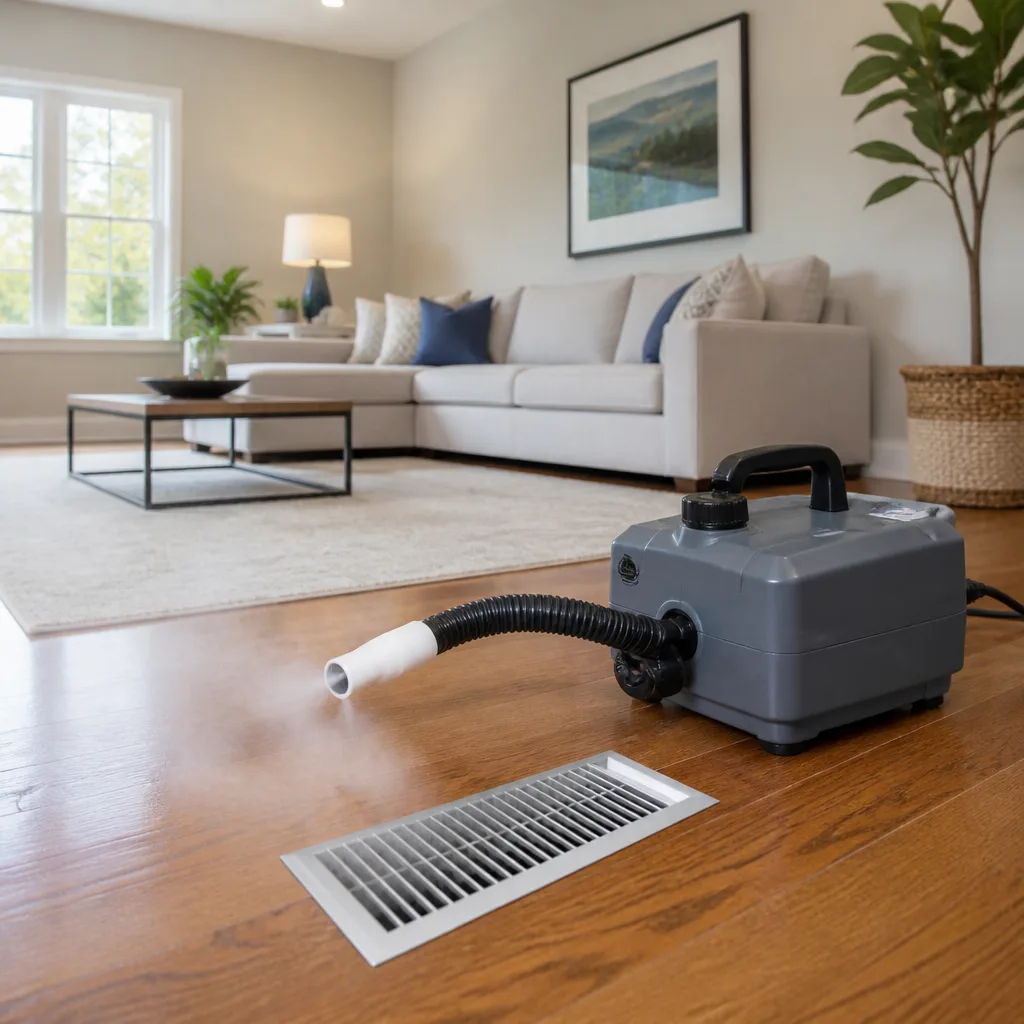 Sanitizing & deodorizing
Whole-system duct and dryer vent check with before-and-after photos - you see exactly what came out of your vents
That "$99 whole-house special" is a bait ad - the real number appears once they are in your hallway, or the "clean" is a shop-vac at the register. We photograph the inside of your ducts before and after instead.
Air Duct Cleaning Warning Signs: A Lake Stevens Homeowner’s Reference Guide
A musty smell that only appears when the heat turns on isn’t a furnace problem. It’s almost always organic growth inside the duct system being volatilized by warm air, and masking it with air fresheners lets the underlying condition worsen. Most duct problems in Lake Stevens don’t announce themselves with a dramatic bang or a visible cloud of dust. They show up as small, easy-to-rationalize changes in how your home smells, feels, and makes you feel. This reference guide trains you to read those signals correctly, before they escalate into something far more disruptive and costly.
Quick Answer
The core warning signs of a duct system that needs attention are persistent musty or metallic odors when the HVAC runs, uneven airflow between rooms, dark staining or heavy dust concentrated around supply registers, and allergy symptoms that improve when you leave the house. Any one of these is worth investigating; two or more together point strongly to a contamination or leakage problem inside the duct system.
Styles & brands we work with
- Whole-home duct cleaning
- Dryer vent cleaning
- Camera inspection
- Sanitizing & deodorizing
Table of Contents
- Smell Indicators: Burning Dust vs. Persistent Odors
- Airflow Asymmetry: The Register-by-Register Test
- Dust Pattern Analysis: Supply Registers vs. Return Grilles
- Allergy and Respiratory Symptom Correlation
- Visual Register Inspection: What to Look For
- Duct Leaks and Disconnections You Can’t See
- Dryer Vent Warning Signs
- Common Mistakes to Avoid
- When to Call a Professional
Smell Indicators: Burning Dust vs. Persistent Odors
We understand one thing above all else: your nose is the most sensitive diagnostic tool you own, but only if you know how to read what it’s telling you. Homeowners in Lake Stevens often mistake a normal seasonal smell for a serious problem, or a serious problem for a normal seasonal smell. Getting the distinction right is the foundation of everything else in this guide.
Burning dust is the smell you get the first time the furnace runs after a long stretch of inactivity. It’s faint, dry, dusty, and it fades within an hour or two of continuous operation. That’s normal. A thin layer of settled dust on the heat exchanger is burning off. Nothing to act on.
What shouldn’t fade is the smell that comes back every single time the heat cycle starts:
- Musty or damp-earth smell. This is the classic sign of moisture and organic growth inside the duct system. Warm air passing over it volatilizes compounds that reach your nose as “stale basement.”
- Metallic or sharp odor. Often points to a duct joint or connection that’s degrading, or to corrosion on a component.
- A smell that’s stronger in some rooms than others. That localizes the problem to a section of ductwork rather than the whole system.
Masking these smells with air fresheners or scented candles is the single most common mistake we see. It works, briefly, and in doing so it hides the signal that would have prompted you to act. In the Lake Stevens area, where winters are damp and long, moisture found its way into plenty of homes built during past decades, and duct systems that sit in crawl spaces or attics can hold that moisture for years. The air duct cleaning process is built to physically remove the growth and the substrate it’s living on, not to perfume over it.
Airflow Asymmetry: The Register-by-Register Test
Uneven airflow is the warning sign homeowners notice last, because they get used to it. The fix is a simple test you can do yourself in ten minutes. You don’t need tools beyond a piece of tissue or a very light square of paper.
- Turn the system to fan-only or cooling and let it run for five minutes to stabilize.
- Go to each register in the home, one at a time, holding the tissue near the grille. Note how strongly it’s pushed and how much it flutters.
- Write down each register’s location and rate it strong, medium, or weak.
- Look for patterns: one whole bedroom wing weak, a single room weak, the far end of the house weak.
- Open the duct register cover where you can and look into the supply boot with a flashlight. Any visible obstruction or a collapsed connection is worth flagging.
- Repeat the test with the system off to check return-side suction, which should feel consistent across return grilles.
What patterns mean:
- One room consistently weak: a blocked, kinked, or disconnected branch duct. Very common in older Lake Stevens homes where additions and remodels have shifted duct routing.
- Far half of the house weak: a system that’s lost static pressure through leaks, or a duct run that’s been crushed by settled insulation or stored items.
- All rooms weak: a filter, blower, or main trunk issue. Start by checking the filter.
- Bathroom or kitchen weak: may be a separate exhaust system problem, not an HVAC one, and worth its own diagnosis.
Airflow asymmetry is a structural problem, not a debris problem. That’s why duct repair and sealing matters alongside cleaning. We use professional-grade equipment, including Rotobrush rotary brush systems, to dislodge debris that suction alone leaves behind, but a dislodged connection has to be sealed to deliver real results.
Dust Pattern Analysis: Supply Registers vs. Return Grilles
Where your dust accumulates tells you where the contamination is concentrated. This is one of the most underused diagnostic signals there is, and it costs nothing to read.
Supply registers push clean air out. Heavy dark dust or streaking on the grille face or the surrounding ceiling or wall means particles are being carried through the system and settling there. If you’re dusting those areas weekly and the dust comes back within days, the system is moving a larger load of particles than it should. That’s a downstream symptom.
Return grilles pull air back in. A return grille with visible dust buildup is doing its job – it’s catching what the filter misses, or the filter is overloaded or bypassing. Heavy buildup there points to the intake side, and it’s often the first thing to check before anything else.
Two patterns worth memorizing:
- Every supply dusty: the main trunk or the air handler is contaminating the whole system. Needs a full-system assessment.
- One or two supplies dusty, rest clean: localized contamination in a single branch, or a leak pulling attic or crawl space air into that run.
A note specific to our region: Lake Stevens sits in a damp, wooded climate, and pollen from the surrounding cedar, alder, and fir moves into homes in spring. If you notice dust patterns changing with the seasons, that’s typical. If the pattern is stable year-round, it points to something inside the system, not outside.
Allergy and Respiratory Symptom Correlation
Symptoms that improve when you leave the house and return when you come back are one of the strongest indicators of an indoor air quality problem. This is a pattern that’s easy to dismiss as coincidence, but it’s worth tracking carefully.
How to test the correlation without any lab work:
- Note when symptoms flare – time of day, whether HVAC is running, which room you’re in.
- Track how symptoms behave during a prolonged absence, a few days at a minimum. If they clear up significantly when you’re away and return within hours of being home, that’s a signal.
- Watch for symptom correlation with specific activities: turning on the heat, opening a closet near a return, vacuuming, or a windy day.
- Note any seasonal pattern. Spring and fall flare-ups are common, but so is a consistent issue that doesn’t change with the seasons.
We’re careful here: we’re not medical professionals and we don’t diagnose anything. What we can say, from our experience in Lake Stevens homes, is that homeowners dealing with allergies are often living with a duct system that hasn’t been serviced in its entire life. Biological contaminants – mold spores, bacteria, allergens – are the very things that duct sanitizing is designed to address, and it’s a different service from simple debris removal. Some homes also benefit from better filtration via products from manufacturers like Aprilaire, which bridge the gap between a clean system and air that stays cleaner.
If your ducts have never been professionally serviced and you or a family member deals with ongoing respiratory issues, a full system inspection is a reasonable and low-risk step. Improved air quality is measurable; the process of getting there should be too.
Visual Register Inspection: What to Look For
You can learn a lot from a five-minute look into your own ductwork, and knowing what’s normal will help you recognize what isn’t. Remove a register cover, shine a flashlight into the boot, and look carefully at the interior surfaces.
What you should see:
- Galvanized metal or flexible duct liner that’s uniformly clean or lightly dusty.
- Straight runs with no obstruction.
- A smooth, sealed connection at the boot where the duct meets the register.
What you shouldn’t see:
- Visible debris accumulation, matted lint, or dust that coats the interior in a thick layer.
- Dark patches or staining, especially in a darker or moisture-rich environment. Any visible organic growth is a call-a-professional situation.
- Pest evidence: droppings, nesting material, insects.
- Crushed or detached flexible duct, or duct liner that’s come loose from the metal.
- Visible daylight in the interior where duct meets structure – almost always a leak to an attic or crawl space.
This inspection doesn’t replace a proper assessment with professional-grade equipment. Nikro negative-air equipment, for example, is built for containment, preventing dislodged contaminants from recirculating into the home during the cleaning process – something a consumer vacuum or a flashlight simply cannot provide. But visual inspection is a good first step, and it will tell you whether to call.
Duct Leaks and Disconnections You Can’t See
A duct system that’s cleaning well but leaking badly is doing more harm than good. Most sealed systems in Lake Stevens have some leakage at the joints, boots, and connections, because duct tape has a finite life and flexible duct connections can shift with seasonal temperature swings. What you can’t see is often what matters most.
The signs a professional should evaluate:
- Dust patterns reappearing quickly after cleaning.
- Attic or crawl space odors entering the home, especially when the system runs.
- Higher energy bills than the home’s insulation and window condition would suggest.
- Rooms that never quite reach set temperature, even after a filter change and proper airflow test.
Duct repair and sealing is a service a lot of duct cleaners don’t provide. It’s the structural half of the job, and it’s the only way to keep a clean system clean. When we go through a home in Lake Stevens, we address the full air pathway from return vents to supply registers, because cleaning what’s accessible and ignoring breached connections means the underlying problem comes right back. Professional restoration and remediation teams rely on this connection, and it’s why we use equipment classes – like Abatement Technologies filtration systems – that hold up under that standard rather than consumer shortcuts.
Dryer Vent Warning Signs
Most of what we’ve covered is about air quality and comfort. Dryer vent problems are about something more serious, and they’re easy to ignore for exactly that reason. A dryer that’s taking longer to dry clothes – two cycles instead of one, or clothes that come out warm and still damp – is often a vent restriction, not a failing dryer. Check the outside vent flap when the dryer runs; if it doesn’t push out fully or doesn’t open at all, the vent is restricted.
Other indicators worth acting on: visible lint around the vent connection behind the dryer, a hot dryer exterior, and lint buildup around the outside terminal. dryer vent cleaning is a distinct service from duct cleaning, addressing the same principles of a clean, unobstructed pathway. In a Lake Stevens area that sees plenty of rain, a vent flap that’s stuck open lets moisture and debris into the system, and one that’s stuck shut or blocked by nesting material is a restriction. Check both sides of the run, not just the interior. When a home has never had its vents serviced, that’s a strong reason to have the whole system assessed at once.
Common Mistakes to Avoid
- Masking smells with plug-ins or candles. You’re hiding the exact signal that points to the problem. Address the source, not the odor.
- Assuming a burning smell is always normal. A faint smell the first time the heat comes on is normal. Recurring or strong smells, or a burning smell that isn’t a furnace problem at all, aren’t.
- Cleaning the visible registers and calling it done. Registers are a fraction of the system. The trunk lines and branch ducts are where the load lives.
- Never touching the return side. Return grilles and the filter compartment often accumulate more than homeowners expect, and they’re the intake for everything the system then pushes through the house.
- Skipping the duct integrity check. Cleaning a system with leaking connections means the contamination comes right back, and outdoor or attic air enters with it.
- Using a shop vacuum or consumer equipment to “clean” the ductwork. Without proper containment equipment, dislodged debris can be recirculated into the living space rather than removed from it. This is a job for professional-grade containment systems.
- Assuming it’s “just allergies.” A pattern that improves away from home and returns within hours of coming back is worth a professional look at the duct system before writing it off as seasonal.
See the difference
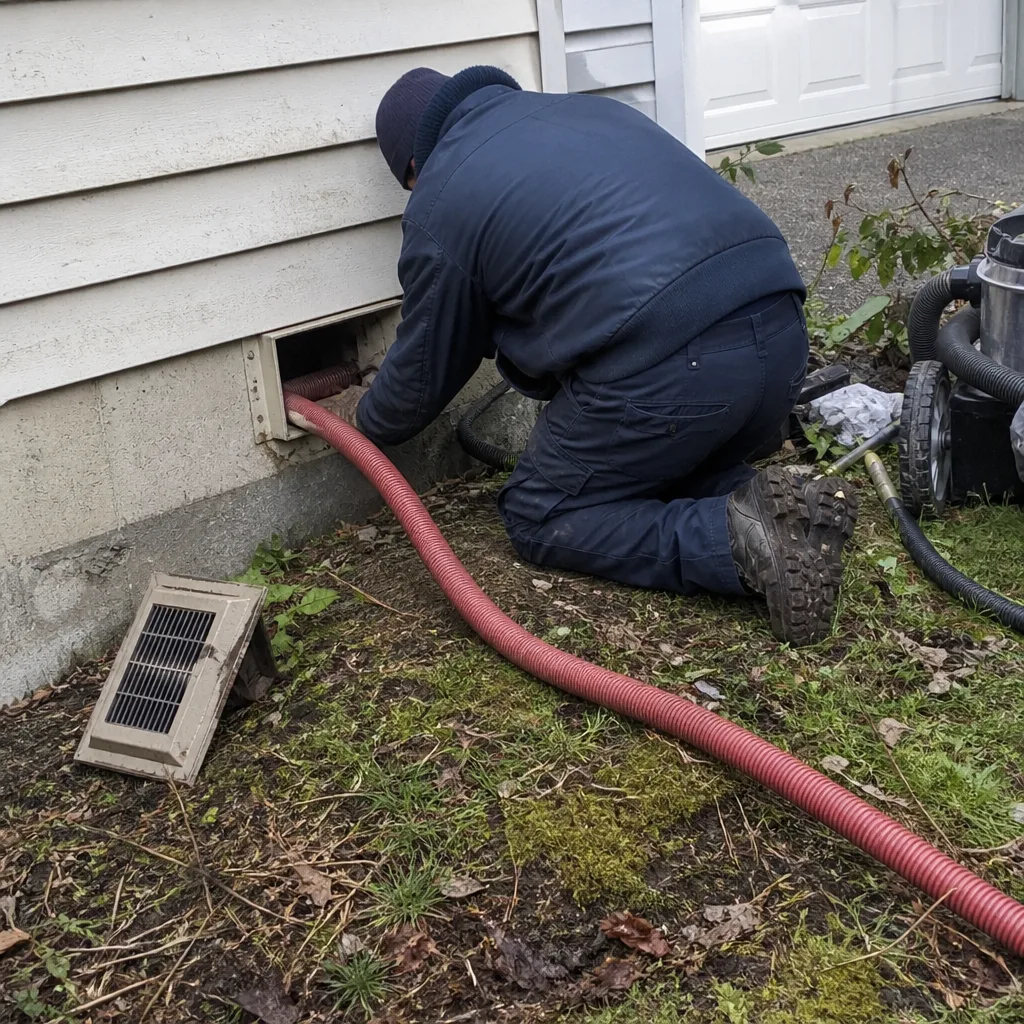 Before
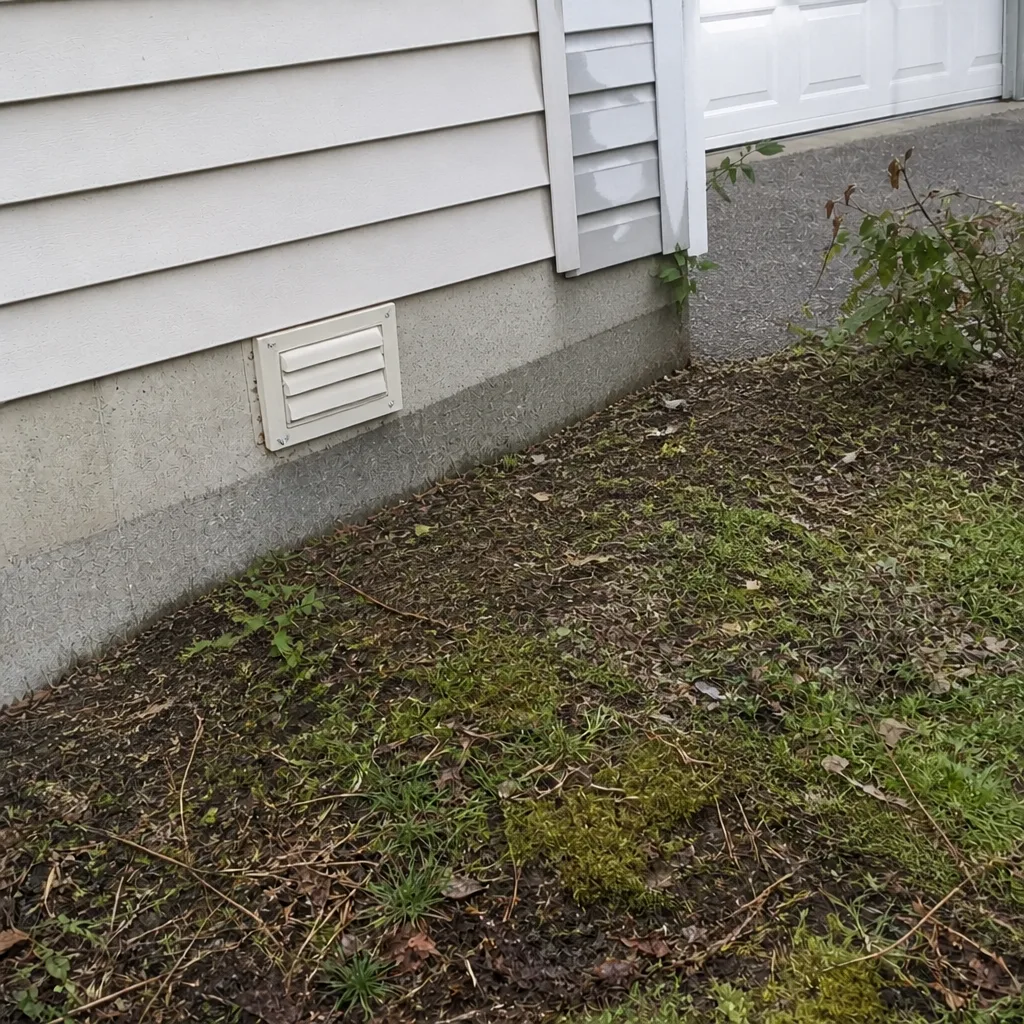 After
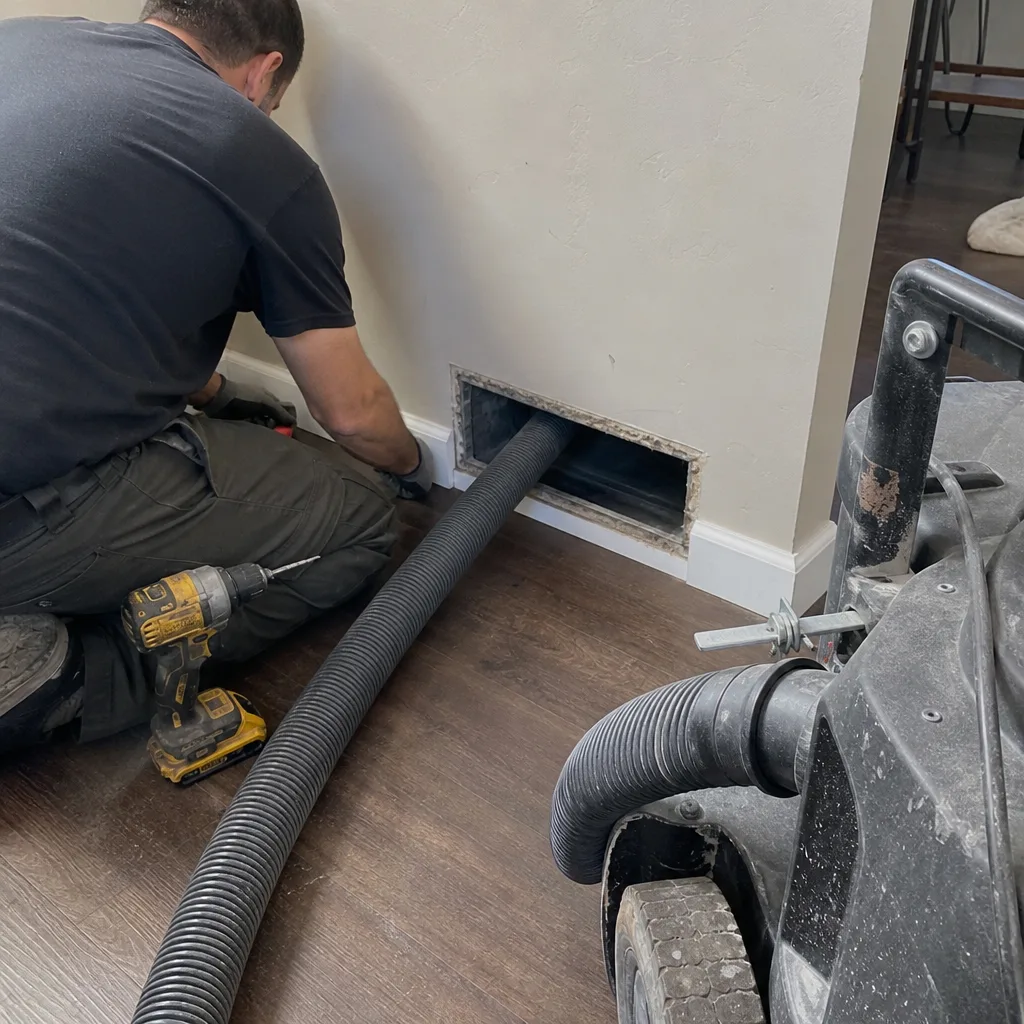 Before
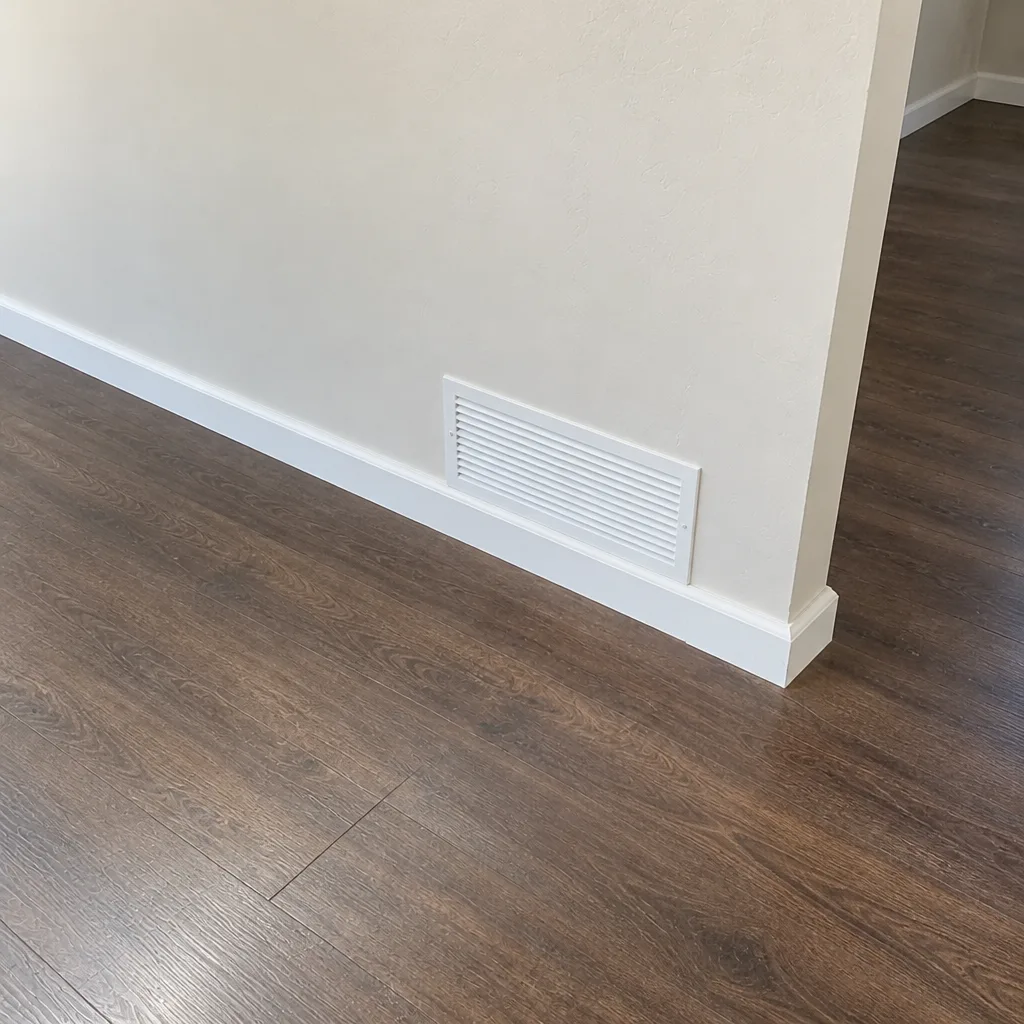 After
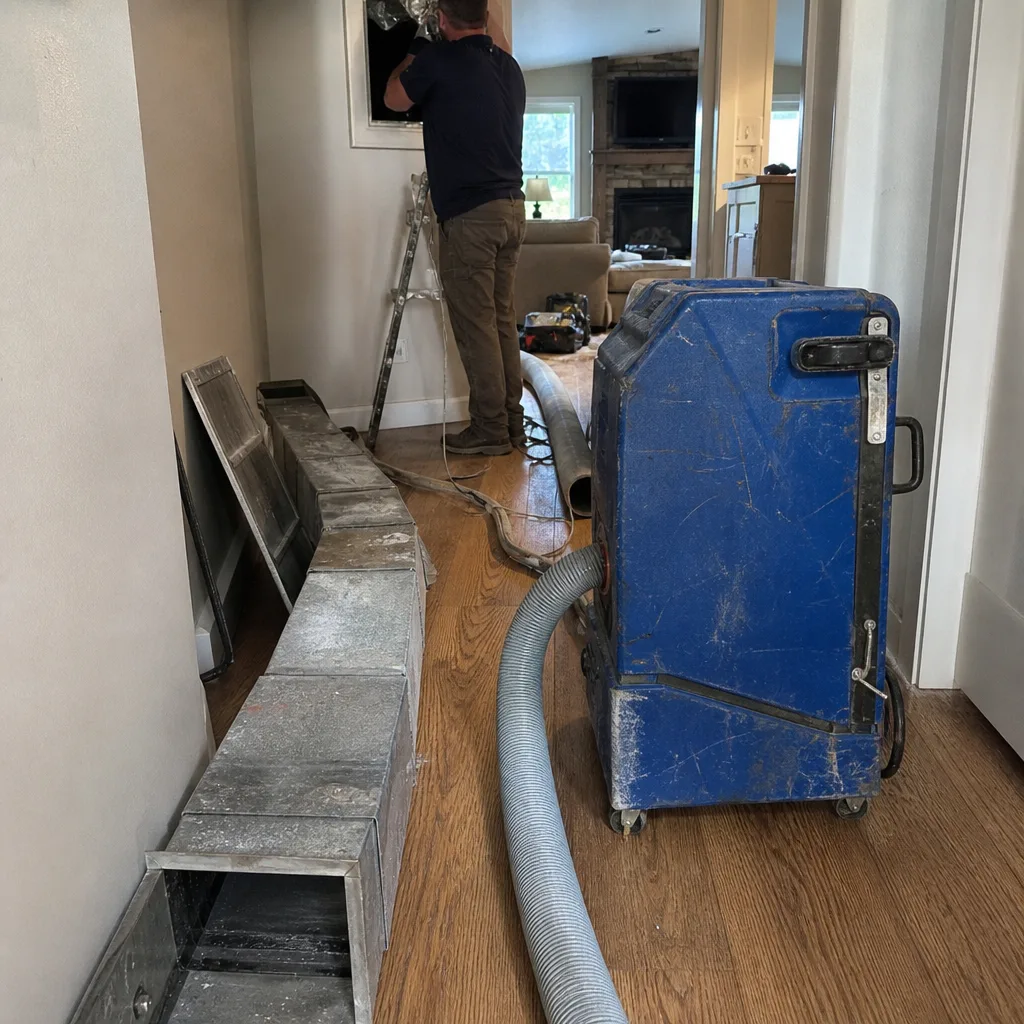 Before
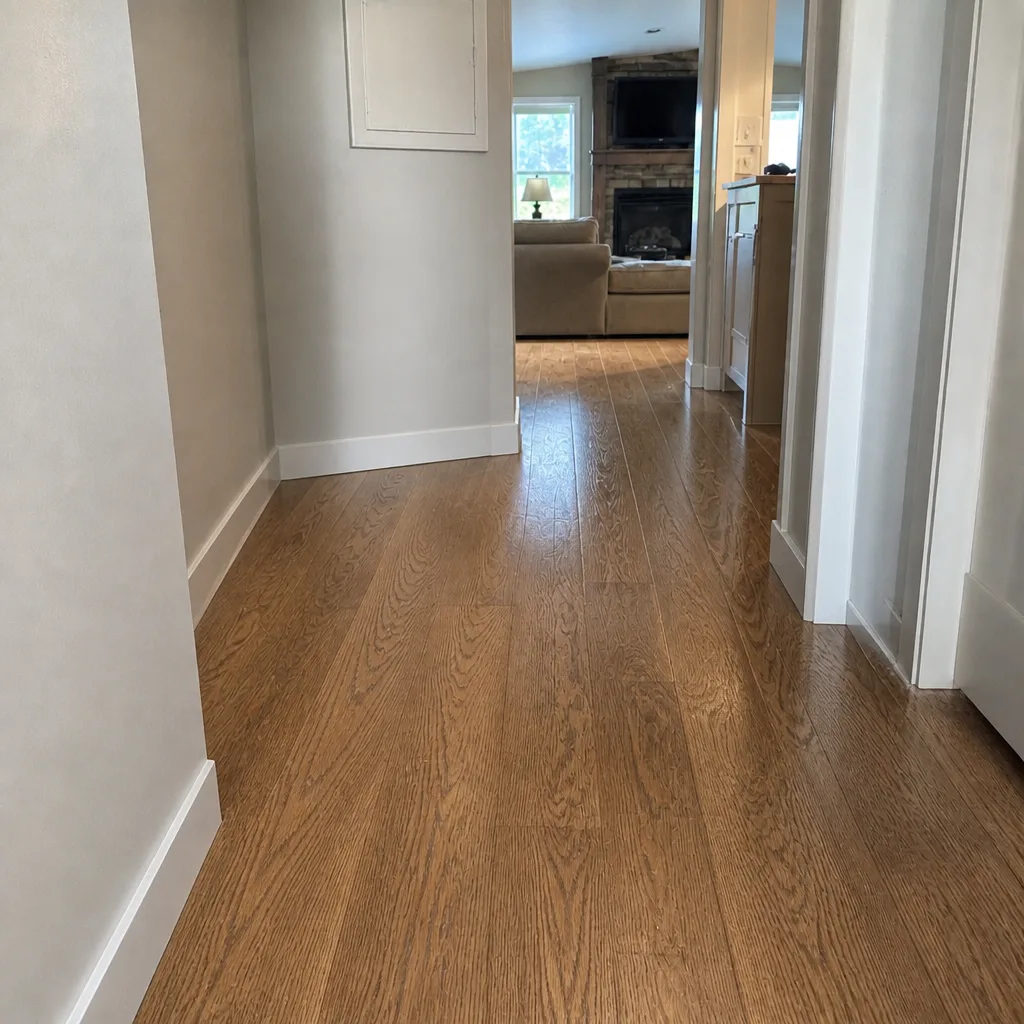 After
When to Call a Professional
You should call when any of the following are true: a persistent musty or metallic smell that returns with every heating or cooling cycle; clearly uneven airflow that wasn’t always that way; heavy dust return within days of cleaning; visible debris, dark staining, or pest evidence in an accessible duct; or a pattern of symptoms that’s tied to time spent in the home. If your duct system hasn’t been serviced professionally and you’re unsure where to start, an expert assessment is the more efficient path than continuing to guess.
In our experience, the homes with the most to gain are those where no one has ever looked. Call (855) 726-7819 to discuss your situation and arrange a free estimate with Lake Stevens Air Duct Cleaning. Our technicians have up to 10 years of experience. We answer 24/7. Fast dispatch from 7am to 7pm, Sunday through Friday. Estimates are free.
Frequently Asked Questions
A musty smell that only appears when the heating or cooling runs. This is typically organic growth inside the duct system being volatilized by warm air, and it’s more reliable as an indicator than visible dust because dust accumulation is affected by filter condition, pets, and outdoor seasons. If you’ve smelled it consistently for weeks, have the system assessed. Call (855) 726-7819 for an exact quote – estimates are free.
Costs vary with the size of the home, the number of duct runs, system condition, and whether duct repair and sealing is needed, so the written estimate is what sets your final price. We give one flat price per system, agreed before any work starts, and back it with before-and-after photos of your own ducts. Call (855) 726-7819 for your estimate.
Usually because they’re vacuuming the accessible registers and leaving the trunk lines and the structural problems alone. Homeowners contact us after exactly that experience, and it’s the reason we don’t quote on a per-vent basis. Ask what equipment the company uses, how it prevents dislodged debris from recirculating, and whether duct repair and sealing is included. If any answer is vague, that’s your signal. Call (855) 726-7819 to talk through a proper scope.
Before-and-after photos of your own system, not stock images from a brochure. A company confident in its process will show you what changed, and how. We also work to a flat price agreed before the work starts, so there’s no surprise invoice after the crew is packing up. Call (855) 726-7819 to discuss what an assessment includes.
There’s no universal schedule. It depends on your home’s duct condition, pets, renovation history, how often filters are changed, and whether the ducts have ever been professionally cleaned. Most homes need it far less often than aggressive marketing suggests, and the warning signs in this guide are a better trigger than a calendar. Call (855) 726-7819 and we’ll talk through your specific situation.
Not automatically, which is why we offer system-level HVAC cleaning as a distinct service. Ducts, the air handler, and the components inside them are all part of the same pathway, and addressing one while leaving the others untreated is a partial result. The Lake Stevens Air Duct Cleaning team can assess the whole system and tell you what actually needs attention. Call (855) 726-7819 for a free estimate.
The Bottom Line
Most duct problems in Lake Stevens don’t shout. They whisper: a smell that only arrives with the heat, one room that never catches up, dark streaks around the registers, symptoms that improve when you leave the house. The skill this guide teaches is paying attention on purpose, because small signals caught early are cheap and simple to address, while ignored ones become structural problems and health concerns. If your own reading of the signs leaves you unsure, an assessment is the honest next step. Trust your senses, read the pattern, and don’t mask what your home is trying to tell you.
Call (855) 726-7819 for a free estimate. We answer 24/7. Fast dispatch from 7am to 7pm, Sunday through Friday.
Written by the team at Lake Stevens Air Duct Cleaning.