
Last updated November 25, 2026
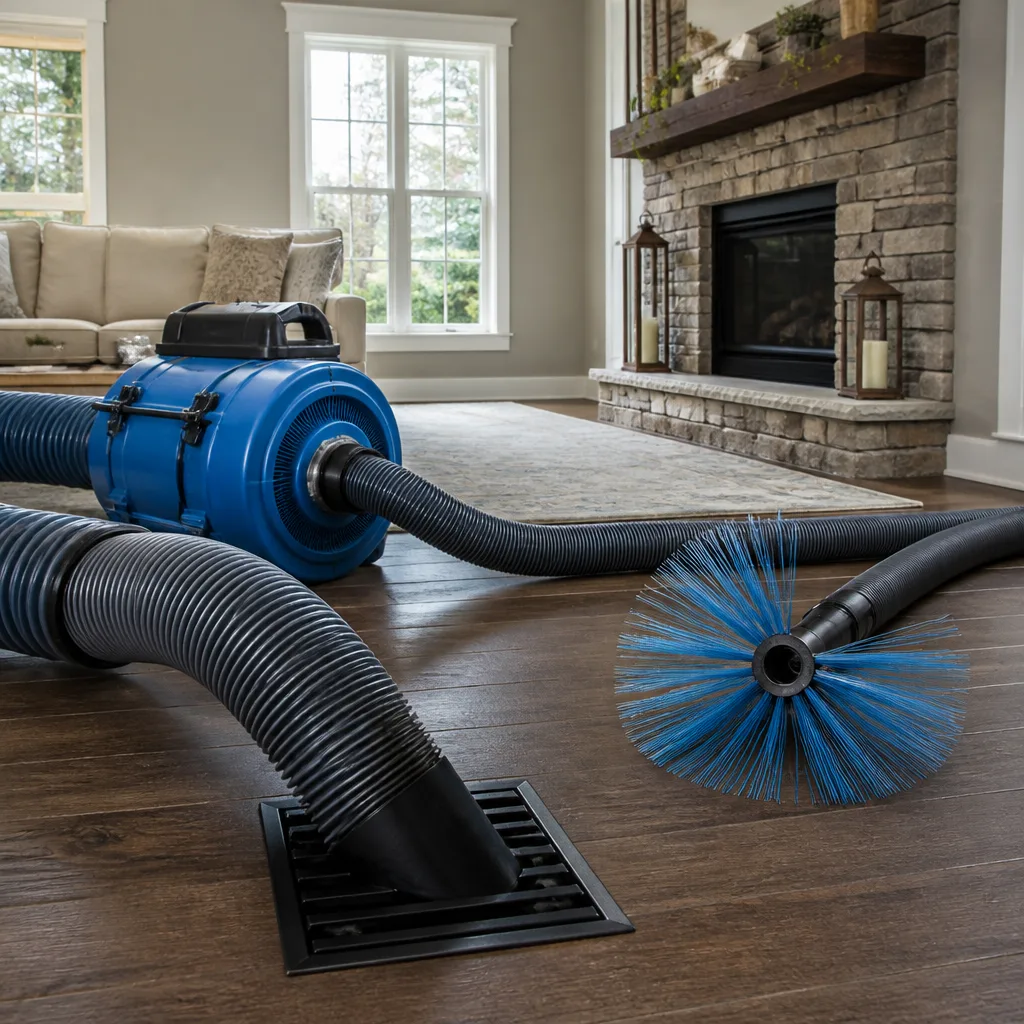 Whole-home duct cleaning
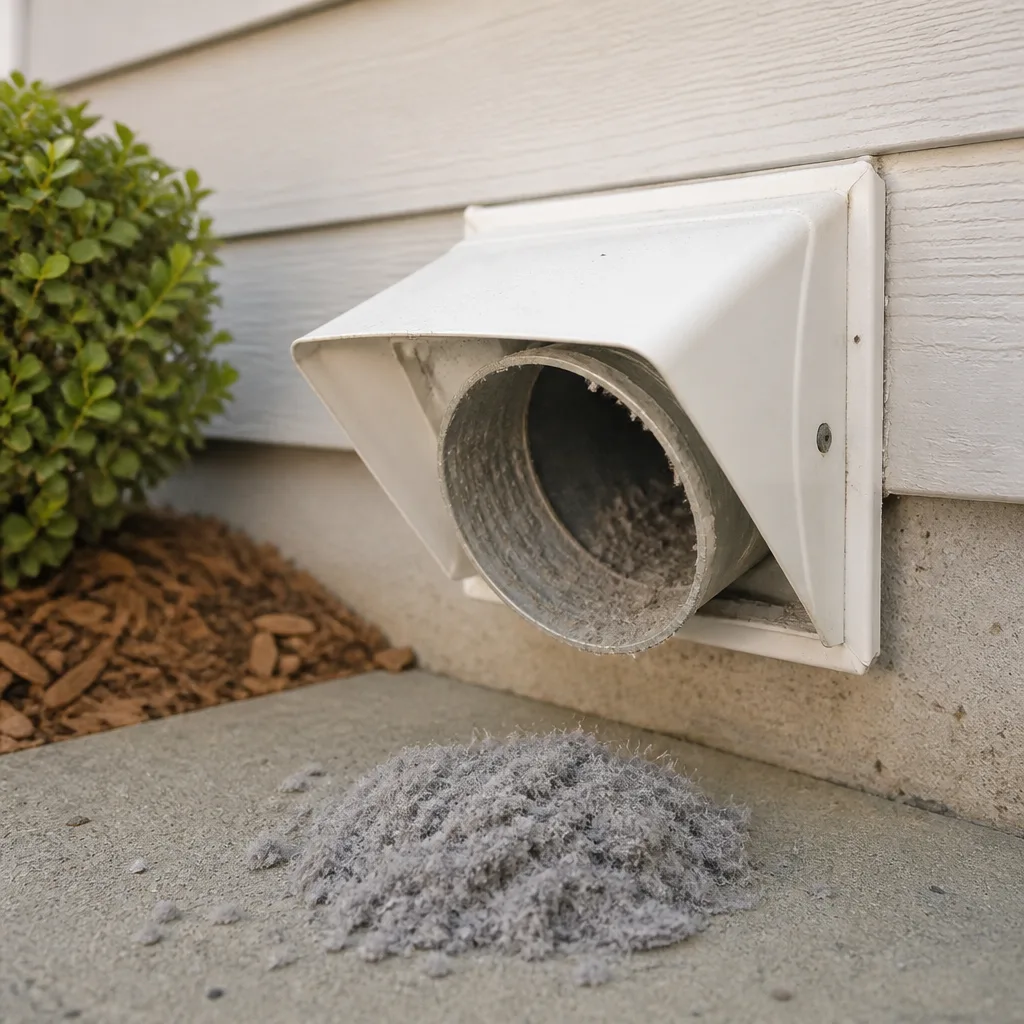 Dryer vent cleaning
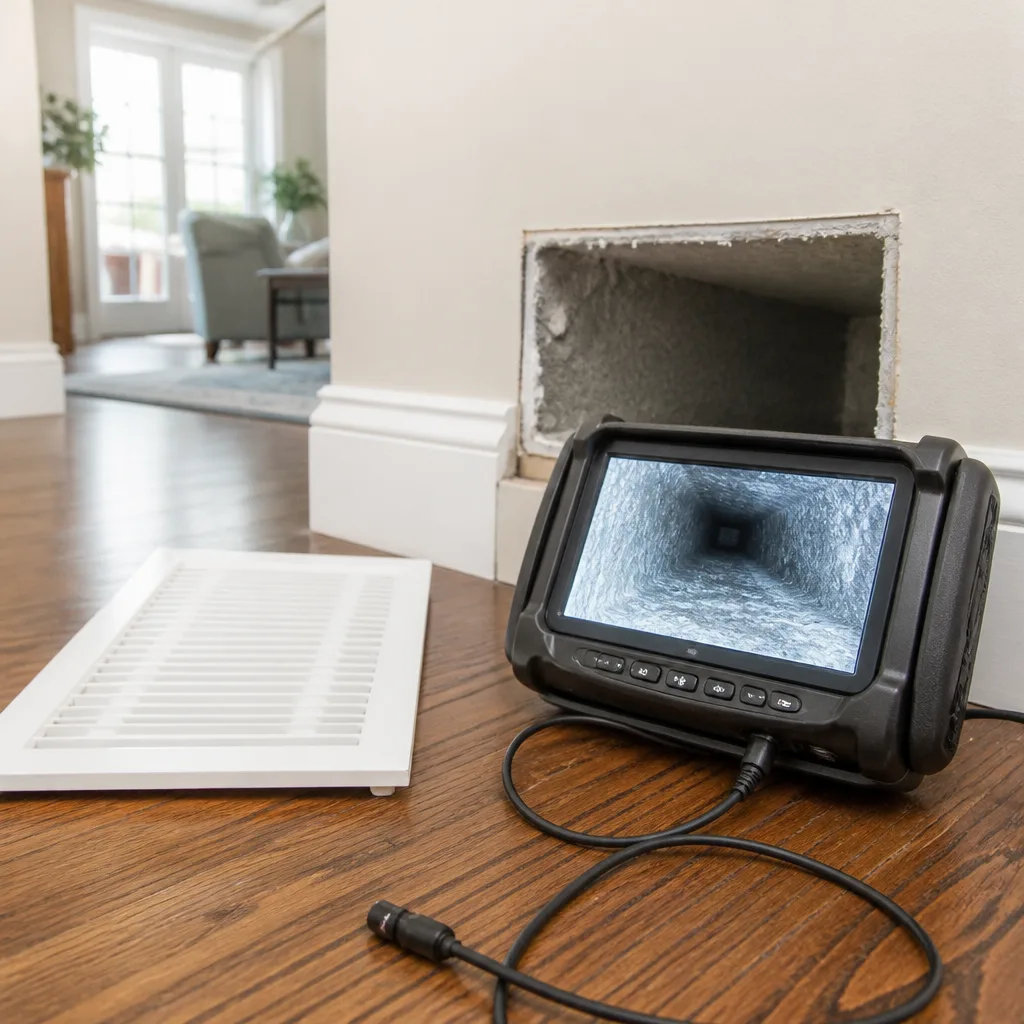 Camera inspection
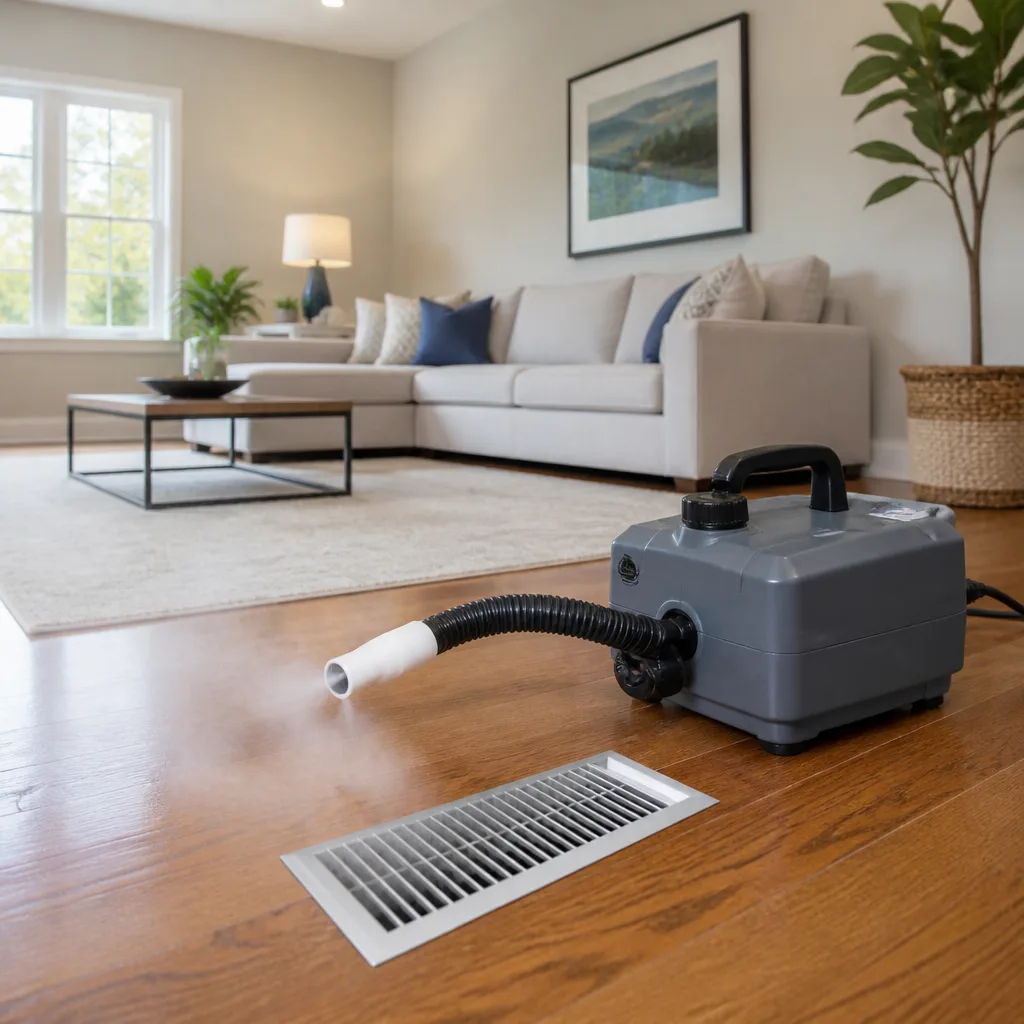 Sanitizing & deodorizing
Whole-system duct and dryer vent check with before-and-after photos - you see exactly what came out of your vents
That "$99 whole-house special" is a bait ad - the real number appears once they are in your hallway, or the "clean" is a shop-vac at the register. We photograph the inside of your ducts before and after instead.
Air Duct Cleaning Troubleshooting in Lake Stevens: Common Problems and How to Fix Them
Replacing your air filter every 30 days but still sneezing every morning? The filter sits downstream of the problem, not on top of it. A filter catches what reaches it; it can’t stop debris from collecting on duct walls, seal a gap in a plenum, or dry out a damp run of flex duct. So homeowners in Lake Stevens swap filters, vacuum registers, and still can’t explain why the back bedroom runs cold or why the hallway smells faintly of a basement. This guide maps the symptoms you can actually observe to the mechanical causes behind them, so you can tell a cleaning problem from a sealing problem from something bigger. We’ll cover pressure checks, condensation, the difference between a blockage and a breach, and when a flashlight stops being enough.
Quick Answer
Most persistent air duct problems in Lake Stevens trace back to one of four physical causes: debris buildup on duct surfaces, air leaks at joints and connections, a blockage restricting flow in a specific run, or moisture feeding biological growth inside the system. Cleaning fixes the first, sealing and repair fix the second, physical clearing fixes the third, and sanitizing plus moisture control address the fourth. Matching the symptom to the right cause is the whole job, because each one needs a different response.
Styles & brands we work with
- Whole-home duct cleaning
- Dryer vent cleaning
- Camera inspection
- Sanitizing & deodorizing
Table of Contents
- Symptom-to-Cause Matrix: What Your Home Is Telling You
- Cleaning Problem or Sealing Problem? How to Tell
- Why Lake Stevens Humidity Makes Duct Condensation a Real Issue
- Blockage, Breach, or Biofilm: Three Different Problems, Three Different Fixes
- When a DIY Flashlight or Camera Inspection Actually Tells You Something
- What a Professional Pressure Test Reveals
- Wet Dryer Vents and Crushed Runs: A Separate Troubleshooting Track
- What Duct Repair and Sealing Looks Like in Practice
Symptom-to-Cause Matrix: What Your Home Is Telling You
Air duct troubleshooting works backward from the symptom. Instead of guessing what’s wrong, you start with what you observe and work toward a mechanical explanation. Here’s how the most common complaints map to probable duct-system origin:
- Hot rooms in summer, cold rooms in winter: Undersized or restricted airflow to that run. Debris buildup, a crushed flex duct in the attic, or a damper left partly closed are the usual suspects. This is a flow problem, not a furnace problem.
- Musty or “dirty basement” smell when the system runs: Moisture and biological growth somewhere in the system, often where condensation collects in a cool return run. This points to a biofilm problem, covered later.
- Dust on the supply registers after cleaning: Leaks pulling attic or cavity air into the duct before it reaches the register. A cracked return pan or unsealed joint lets unfiltered air enter downstream of the filter.
- Rising utility bills with no equipment change: Air escaping through leaky joints or a disconnected run. Your system works harder to move the same air it used to.
- Whistling or whooshing at one register: Static pressure too high in that run. The cause is usually an undersized or restricted path, and it’s a strong sign the pressure balance in the whole system is off.
- Dust returning quickly to horizontal surfaces: Debris on duct walls constantly dislodged by airflow, plus filter bypass around a poorly seated filter frame.
Notice what these have in common: none of them are solved by a better filter. A filter can only catch what gets to it. When the problem lives in the ducts, on the walls, or at the joints, filtration won’t touch it. That’s the core misconception we see again and again in Lake Stevens homes.
Cleaning Problem or Sealing Problem? How to Tell
The single most useful distinction in air duct troubleshooting is whether you’re dealing with a cleaning problem (accumulated debris) or a sealing problem (air escaping or entering where it shouldn’t). The two have different symptoms and different fixes, and getting them confused wastes money.
A cleaning problem shows up as what’s on or expelled from the duct surfaces: dust returning after you clean, visible debris near registers, a smell that gets worse when the system starts. Air still reaches the right rooms, or nearly so. The ducts are doing their job, just with dirty walls.
A sealing problem shows up as where the air goes, or doesn’t go: a room that’s always off, higher bills, register airflow that feels weak overall rather than dirty. Leaks usually show up at the connections you can reach, where joints, plenum seams, or flex duct collars sit. Look there first with a flashlight in hand.
Here’s a simple way to sort which one you have:
- Run the system and hold a tissue or smoke wand to each register. Weak or uneven pull across many registers suggests a leaky distribution system (sealing). Full but dusty airflow at every register points to debris (cleaning).
- Inspect every reachable joint for gaps, tape failure, or separated flex connections. Old duct tape that has dried and fallen away is a common sign. If you see daylight or gaps at the seams, sealing is the first move.
- Notice whether the problem room changes with the season. A room that’s consistently over- or under-conditioned points to a distribution issue. Dust and odors that are constant point to debris.
In our experience, many Lake Stevens homes have both at once: dirty ducts plus leaks that let outdoor air and cavity dust back in. Cleaning first, then sealing, is the order that makes the result last. Clean ducts are only part of the picture; sealed, intact ducts keep them that way.
Why Lake Stevens Humidity Makes Duct Condensation a Real Issue
Lake Stevens sits in a mild, damp climate where humidity swings inside a home are common and moisture has plenty of opportunities to collect. That matters for ducts because condensation forms on duct surfaces whenever cold air meets warm, moist surrounding air, and that moisture is the one thing debris needs to become a biological problem.
Here’s how it plays out. In a typical Lake Stevens setup, supply ducts run through unconditioned attic or crawlspace space where they cool during the cooling season. Warm, humid air in that space contacts the cooler duct surface, and moisture condenses. If the duct’s outer jacket is perforated or the insulation is compressed, condensation reaches the inner duct wall, where accumulated dust becomes a breeding surface for mold spores and bacteria. That’s how a system goes from “dusty” to “musty,” and it’s why two homes in the same neighborhood can have very different duct conditions even with the same equipment.
- Uninsulated or damaged duct runs in unconditioned space are the highest-risk spots for condensation.
- Crawlspace and garage returns often sit in the most humid, least conditioned part of the house.
- Cool, damp springs and falls in the Pacific Northwest give condensation cycles plenty of time to accumulate moisture over a season.
- A system that runs barely enough to cool but still humidifies its own duct surface is the worst case: warm, slow-moving air plus cool ducts equals wet walls.
The practical takeaway: in Lake Stevens, a dirty duct and a wet duct are usually the same problem one step apart. Debris removal alone helps, but if condensation is feeding the growth, the system needs sanitizing and a look at insulation and leaks. Air quality sanitizing addresses the biological layer that debris removal doesn’t reach.
Blockage, Breach, or Biofilm: Three Different Problems, Three Different Fixes
The words “air duct problem” cover three very different things, and the fix for each is not interchangeable. Sorting out which one you have is the heart of good troubleshooting.
A blockage is a restriction. Something physically stops air from moving through a run: a collapsed or crushed flex duct, a closed or broken damper, a nest or debris pile, or a supply that was never actually connected. Symptom: one run or one room with dramatically weak flow while others are fine. Fix: the obstruction gets located and cleared, or the run gets replaced if the duct itself has failed.
A breach is an opening. Air escapes (or enters) through a gap at a joint, a disconnected collar, or a rusted-through section. Symptom: uneven conditioning, dust entering downstream of the filter, higher bills. Fix: sealing and repair of the breach itself. This is why a company that can only clean will leave some problems in place. Duct repair and sealing exists as a separate service because sealing is a structural fix, not a cleaning one.
A biofilm is biological growth on wet surfaces. Mold spores, bacteria, and allergens colonize damp duct walls and release spores into the airstream every time the system runs. Symptom: a smell that comes and goes with airflow, allergy symptoms that improve when the system is off, visible dark staining at registers. Fix: physical removal of the growth, sanitizing the system, and correcting the moisture source that started it. Cleaning alone without fixing the moisture lets the biofilm return.
In our experience, homes in Lake Stevens with a long-standing “we’ve never had the ducts serviced” history often have all three at once, in different parts of the same system. That’s the argument for a full-system scope rather than a quick vacuuming of the visible runs: you can’t troubleshoot the breach by looking at the blockage.
When a DIY Flashlight or Camera Inspection Actually Tells You Something
A flashlight and a phone camera can give you real diagnostic data, but only in the places they can actually see. Knowing what those limits are keeps you from drawing the wrong conclusion.
Where a DIY inspection works:
- Reachable registers and return grilles, where you can see dust, debris, and dark staining.
- The supply plenum and the visible run of duct from the air handler, where gaps and tape failure are easy to spot.
- Attic and crawlspace runs, where crushed or disconnected flex duct is often visible from the outside.
- The outside dryer vent flap, where a blocked or wet run shows as lint or moisture at the outlet.
Where it stops being useful: the inside of long horizontal runs, the back side of cooling coils, and the interior of ducts that make multiple bends. A camera on a stick can see around one bend, maybe two. What you find in a three-inch section of duct doesn’t tell you what the other twenty feet look like, and it definitely doesn’t tell you whether pressure is balanced across the system.
So use your inspection to collect observations, not conclusions. Photograph anything that looks wrong, note which rooms or registers are affected, and bring those observations to the call. That said, when the issue is condensation or airflow, the most useful data comes from pressure, not a photo. If your flashlight shows you dust and a smell, that’s enough to ask for a professional assessment. If it shows you a collapsed flex duct in the attic, that’s information you can act on.
What a Professional Pressure Test Reveals
Pressure testing measures what a visual inspection can’t: how much air the system actually moves and where it’s leaking. It’s the difference between “the ducts look dirty” and “this run is losing a third of its air before it reaches the room.” That’s a diagnosis, not a guess.
The test works by pressurizing the duct system and measuring how much air escapes (or how much static pressure builds at each register). It gives you a number for how leaky the system is, and it tells you which runs carry the worst losses. That’s the data that decides whether cleaning, sealing, or both are the right move.
Professional equipment matters here in a way homeowners can feel in the results. Rotary brush systems like the Rotobrush line physically dislodge debris from duct walls instead of relying on suction alone. Negative-air equipment, like the Nikro class of machines, keeps dislodged contaminants contained rather than blowing them back into living space. And filtration systems in the Abatement Technologies class are the same equipment grade used in professional remediation work, which matters when there’s a biofilm problem rather than just dust. If someone shows up with a shop vacuum and a smile, you’re being sold a cleaning, not a diagnosis.
Our technicians have up to 10 years of experience reading the results of these tests, and we’ll walk you through what the numbers mean for your home. A free estimate is the right start for most Lake Stevens homeowners, because it establishes what the actual problem is before the work is scoped.
Wet Dryer Vents and Crushed Runs: A Separate Troubleshooting Track
Your dryer vent is part of the air pathway too, and it has its own troubleshooting list. Two problems show up again and again: a vent that’s wet or venting into a damp space, and a run that’s crushed or too long for the dryer to push through.
A wet dryer vent usually means the flexible duct behind the dryer is kinked, sagging, or venting into a crawlspace or attic instead of outside. Lint catches moisture and the run never dries out. The fix isn’t just clearing lint; it’s correcting the routing so the run vents outdoors and is short and smooth enough to stay dry. A crushed run is the same story structurally: a flex duct pinched behind an appliance or flattened in an attic can’t move lint, and the dryer overheats or cycles longer. That’s a repair problem as much as a cleaning problem.
Duct cleaning isn’t just about the HVAC side. The full air pathway includes your dryer vent, and a wet or crushed vent is worth checking alongside your HVAC runs. If you’ve noticed the dryer taking longer or a musty smell in the laundry area, have it examined before assuming the dryer is failing. You can read more on our dryer vent cleaning page, or just flag it when you call.
What Duct Repair and Sealing Looks Like in Practice
Once the diagnosis points to leaks or a failed run, repair and sealing is the response. It’s a structural fix: find the breach, fix the breach, and verify the system now holds pressure. Air quality products from Honeywell and Aprilaire fit into this conversation too, because a sealed system is what lets an air cleaner or a humidifier actually do its job. A bypass-added air cleaner on a leaky system is treating the symptom, not the cause.
In practice, repair and sealing usually includes:
- Locating the leak or failed run with the pressure test and a visual check.
- Reconnecting or replacing damaged flex duct and collars.
- Sealing joints and plenum seams with the right mastic or tape for the surface, not whatever’s nearest.
- Re-testing to confirm the system holds pressure after the fix.
- Recommending any air quality add-on only after the system is sound.
This is the step most duct cleaners skip, because it requires a different skill set. If you’re weighing whether your home needs cleaning, sealing, or both, the right answer comes from a diagnosis first. You can start with air duct cleaning as the assessment step and build from there. For Lake Stevens homes, we often find that humidity and leaky runs are working together, and sealing before cleaning means the clean ducts stay clean.
Common Mistakes to Avoid
- Replacing the filter more often instead of investigating. A filter can’t fix duct debris or a leak. If changing it hasn’t changed the symptom, the problem isn’t the filter.
- Assuming the furnace or AC is at fault. Uneven rooms are usually a distribution problem, not an equipment problem. Have the ducts checked before replacing a system that’s working fine.
- Calling a cleaner when you need a repair. A vacuum job won’t fix a disconnected run. Ask up front whether the company offers duct repair and sealing, because it’s a different service.
- Ignoring a smell that comes and goes with airflow. That pattern is a moisture and biological-growth signal. Treat the moisture source, not just the smell.
- Using a consumer shop vac on the ducts. It worsens the problem by blowing dust back into the house. Professional negative-air containment exists precisely because of that risk.
- Letting a crushed flex duct stay crushed. In Pacific Northwest attics, a flattened run can collect condensation and mold over a season. It needs to be replaced, not taped.
- Booking the cheapest per-vent quote and expecting a full-system result. Ask what the scope covers. A per-vent price rarely includes the full air pathway or a diagnosis.
See the difference
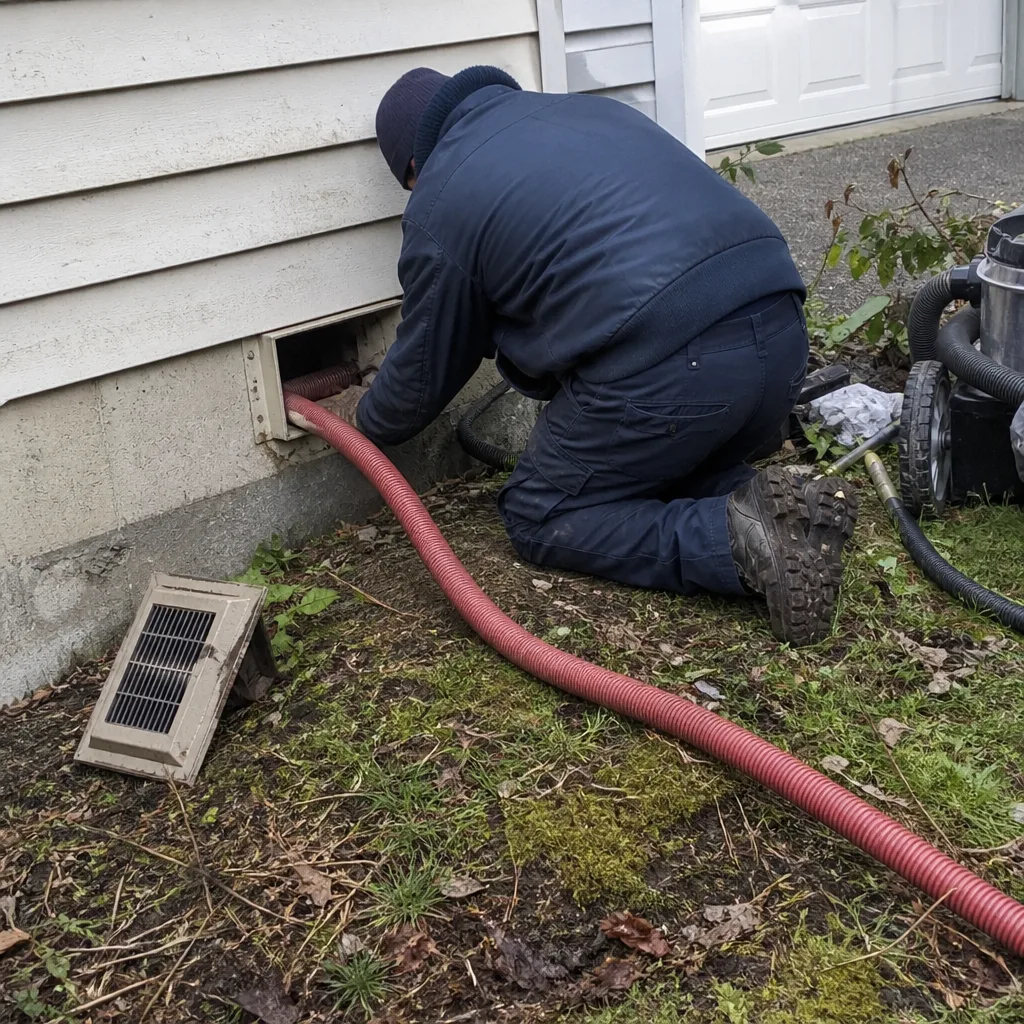 Before
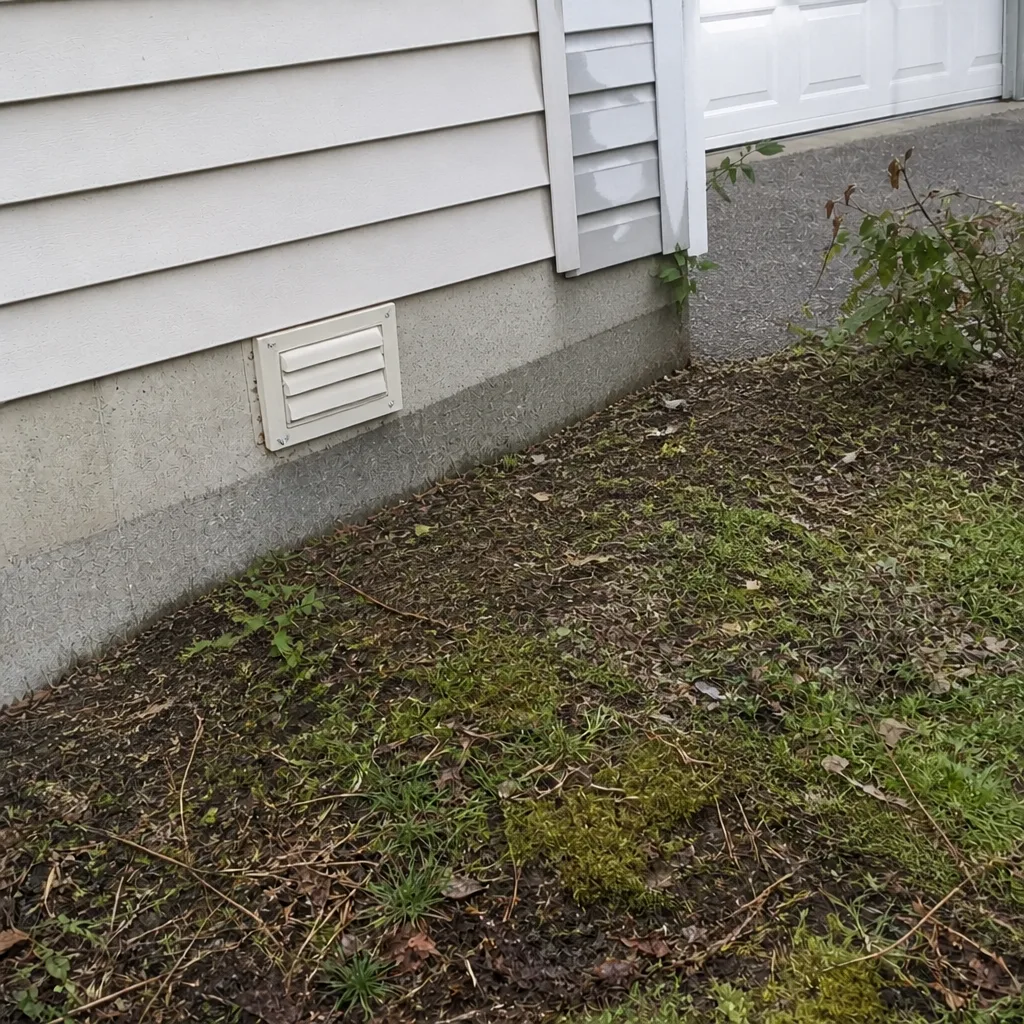 After
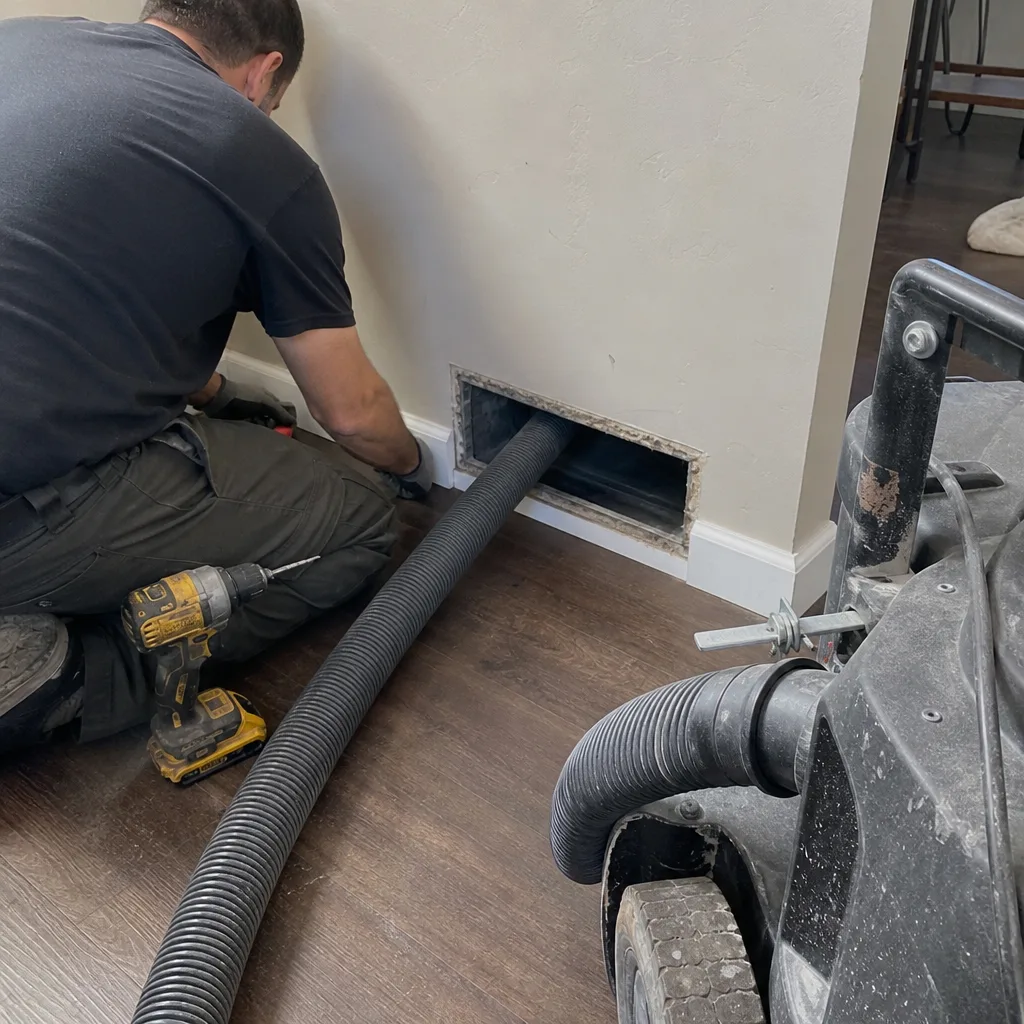 Before
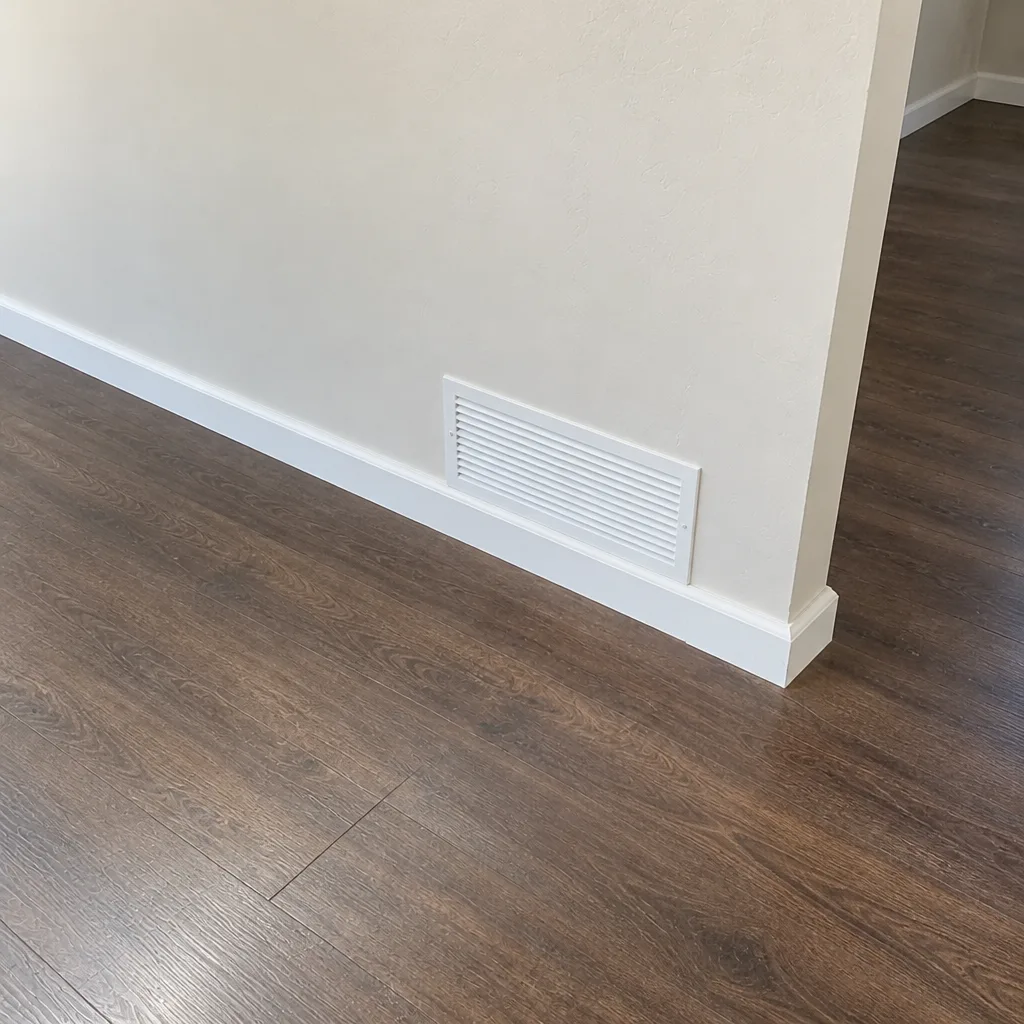 After
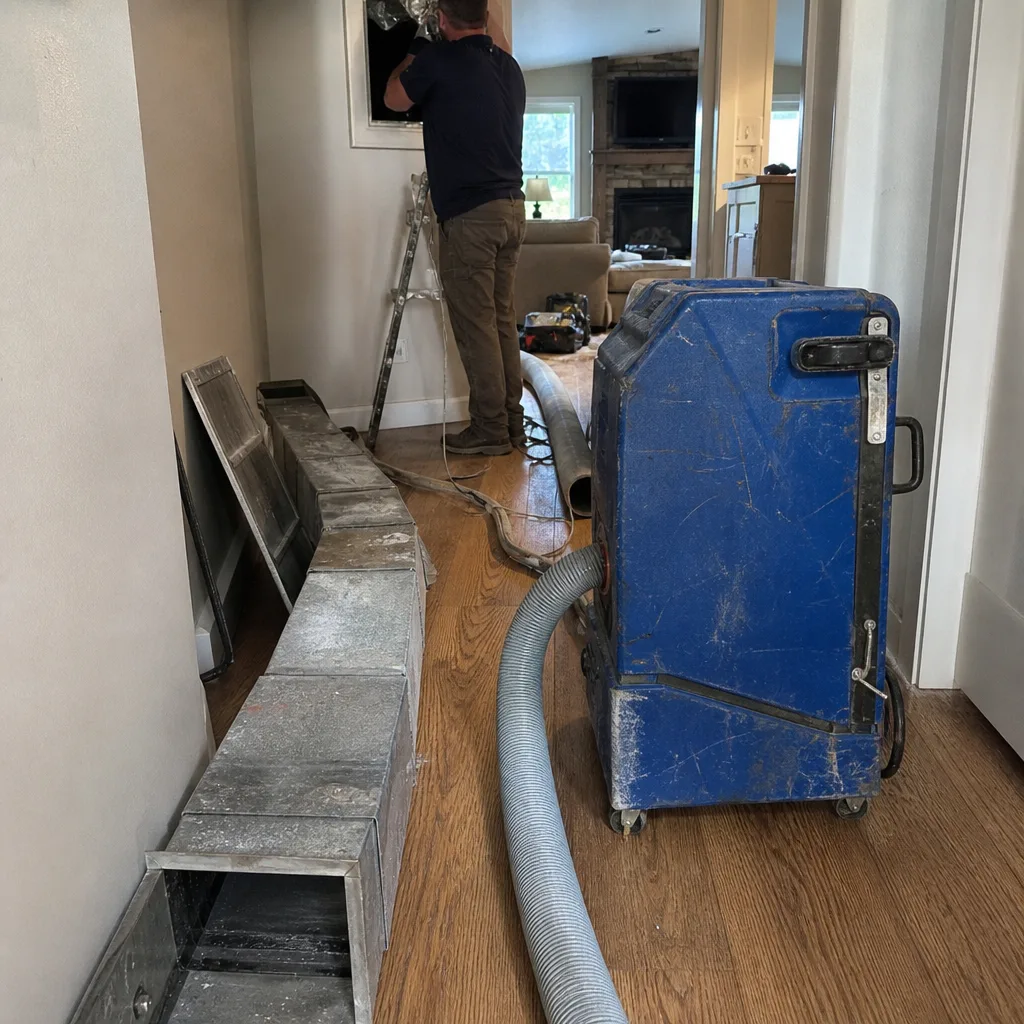 Before
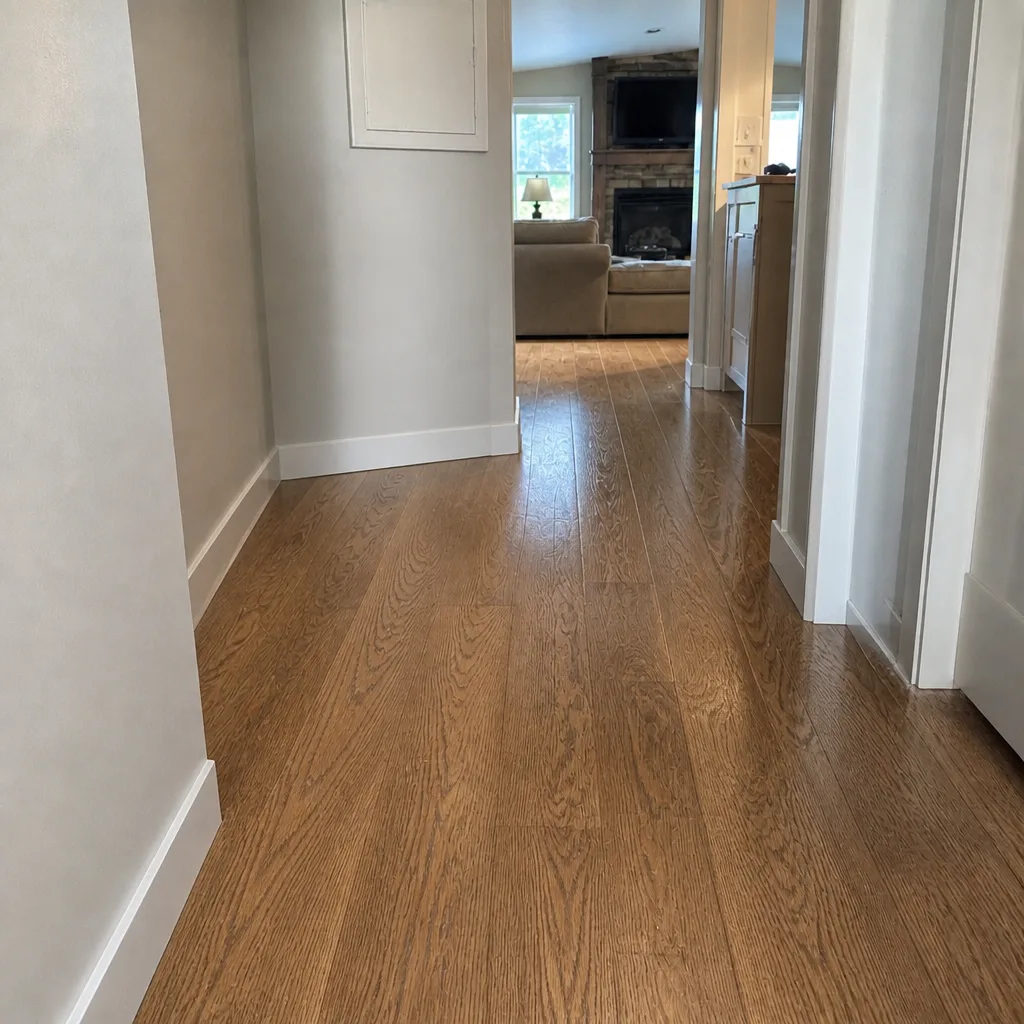 After
When to Call a Professional
Some problems deserve a call rather than another pass with a flashlight. Call when you see any of these: a smell that comes and goes with airflow, a room that stays off no matter the season, dust that returns within days of cleaning, a visible leak or disconnected run at a joint, a system that’s never been professionally serviced, a musty odor from a return, or any sign of moisture or dark staining around registers. If you’re not sure which category your problem falls into, the diagnosis itself is the service. Lake Stevens Air Duct Cleaning offers free estimates in Lake Stevens. Call (855) 726-7819. We answer 24/7. Fast dispatch from 7am to 7pm, Sunday through Friday.
Frequently Asked Questions
The price is set per job by a written estimate after we assess your system, so a whole-system quote depends on the number of runs, the condition of the ducts, and whether sealing or sanitizing is needed. We give you one flat price per system agreed before work starts, no per-vent pricing, and before-and-after photos of your own ducts. Call (855) 726-7819 for an exact quote. Estimates are free.
Yes. Debris on duct walls and biological growth in a damp duct release dust and spores into the airstream every time the system runs, and those can trigger allergy symptoms indoors. If symptoms improve when the HVAC system is off, that’s a strong sign the ducts are contributing. Cleaning and sanitizing address the source. Call (855) 726-7819 to talk through your situation.
Cleaning handles what’s on the duct surfaces, and sealing handles where the air goes. Dust returning quickly plus smells point to a cleaning problem; uneven airflow, higher bills, and gaps at joints point to sealing. A professional pressure test settles it when you can’t tell from observation.
A musty smell that starts with airflow usually means moisture and biological growth somewhere in the system, often in a cool or damp duct run. The fix is sanitizing the system and correcting the moisture source, not covering the smell with a filter. Call (855) 726-7819 and we’ll help you find the source.
There’s no single schedule that fits every home, but signs like dust returning quickly, persistent odors, allergy symptoms inside the home, or a system that’s never been serviced are the triggers that matter more than a calendar. In our experience, homes with chronic moisture or attic duct runs benefit from a look sooner. Call (855) 726-7819 for an assessment.
No. We’re closed Saturday and open Sunday through Friday, 7am to 7pm. Call (855) 726-7819. We answer 24/7, and a call outside dispatch hours is booked into the next opening.
We use professional-grade equipment from Rotobrush, Nikro, Abatement Technologies, Honeywell, and Aprilaire, depending on the job. Rotary brush systems physically dislodge debris, and negative-air equipment keeps it contained. That’s what separates a diagnosis from a vacuuming.
The Bottom Line
If changing your filter hasn’t fixed the symptom, the problem is in the duct system, not the filter. Match the symptom to a cause: dust and smells point to a cleaning problem, uneven rooms and high bills point to a sealing problem, a smell that tracks with airflow points to a moisture and biofilm problem, and a single dead run points to a blockage. Lake Stevens humidity raises the stakes on the moisture story, so a dirty duct and a damp duct are often the same problem one step apart. We connect Lake Stevens homeowners with independent local professionals who diagnose before they recommend, using professional-grade equipment. The local pro is licensed and insured as their state requires, and you get one flat price per system agreed before work starts, no per-vent pricing, and before-and-after photos of your own ducts. Call (855) 726-7819. We answer 24/7. Fast dispatch from 7am to 7pm, Sunday through Friday. Estimates are free.
Written by the team at Lake Stevens Air Duct Cleaning.