
Last updated November 25, 2026
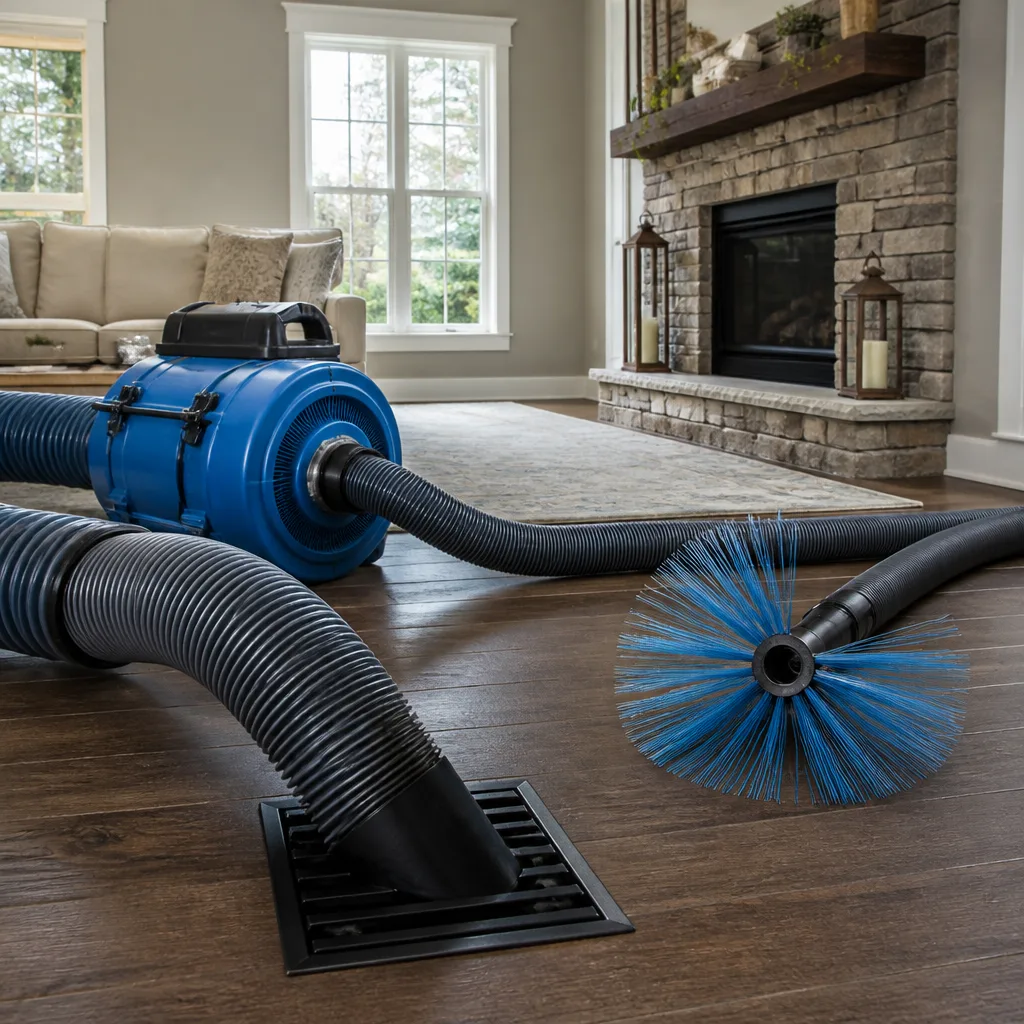 Whole-home duct cleaning
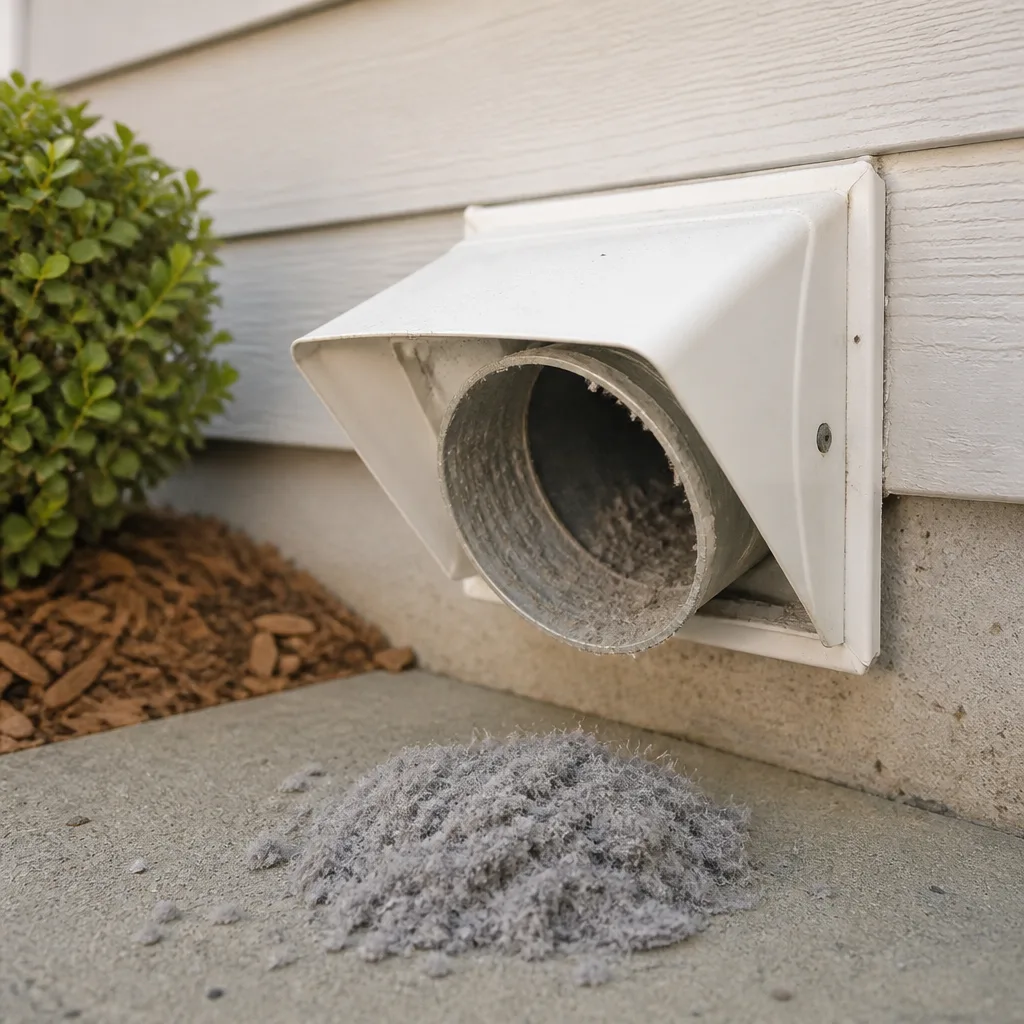 Dryer vent cleaning
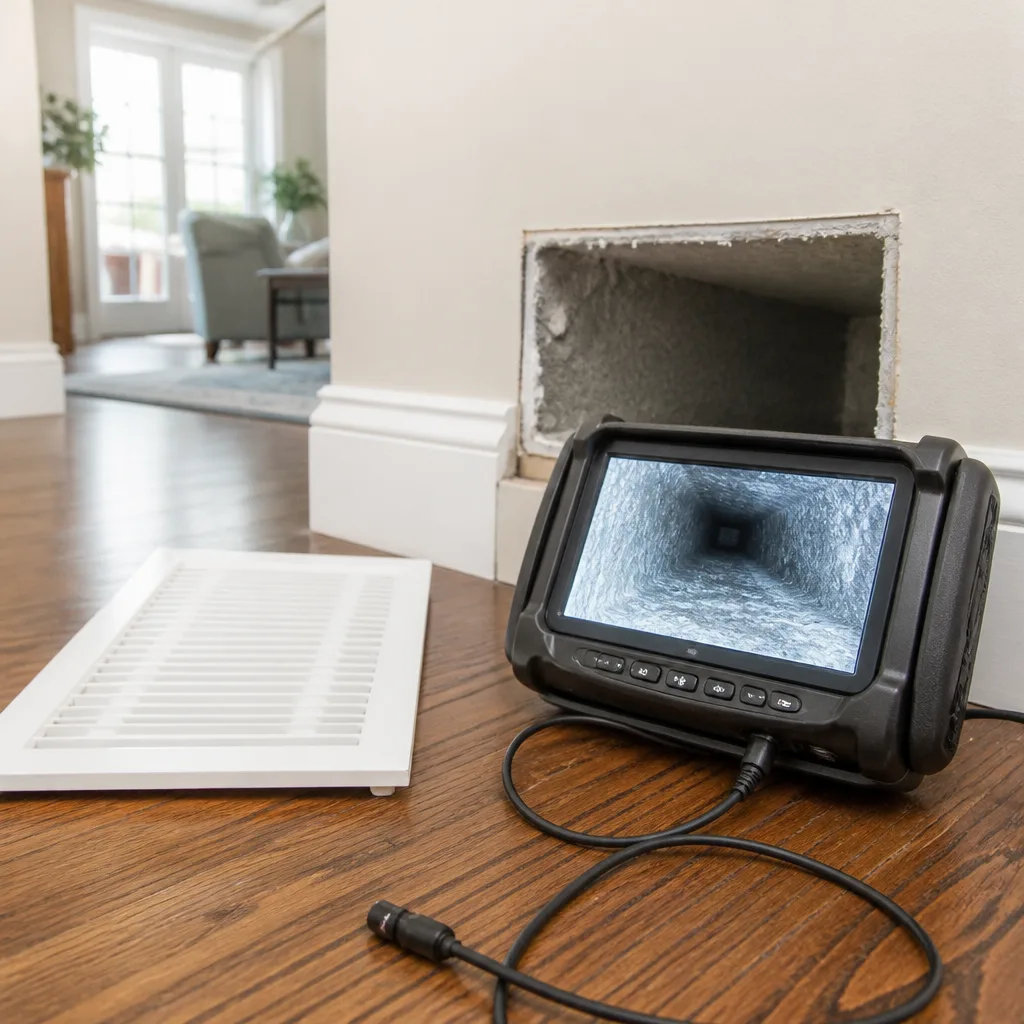 Camera inspection
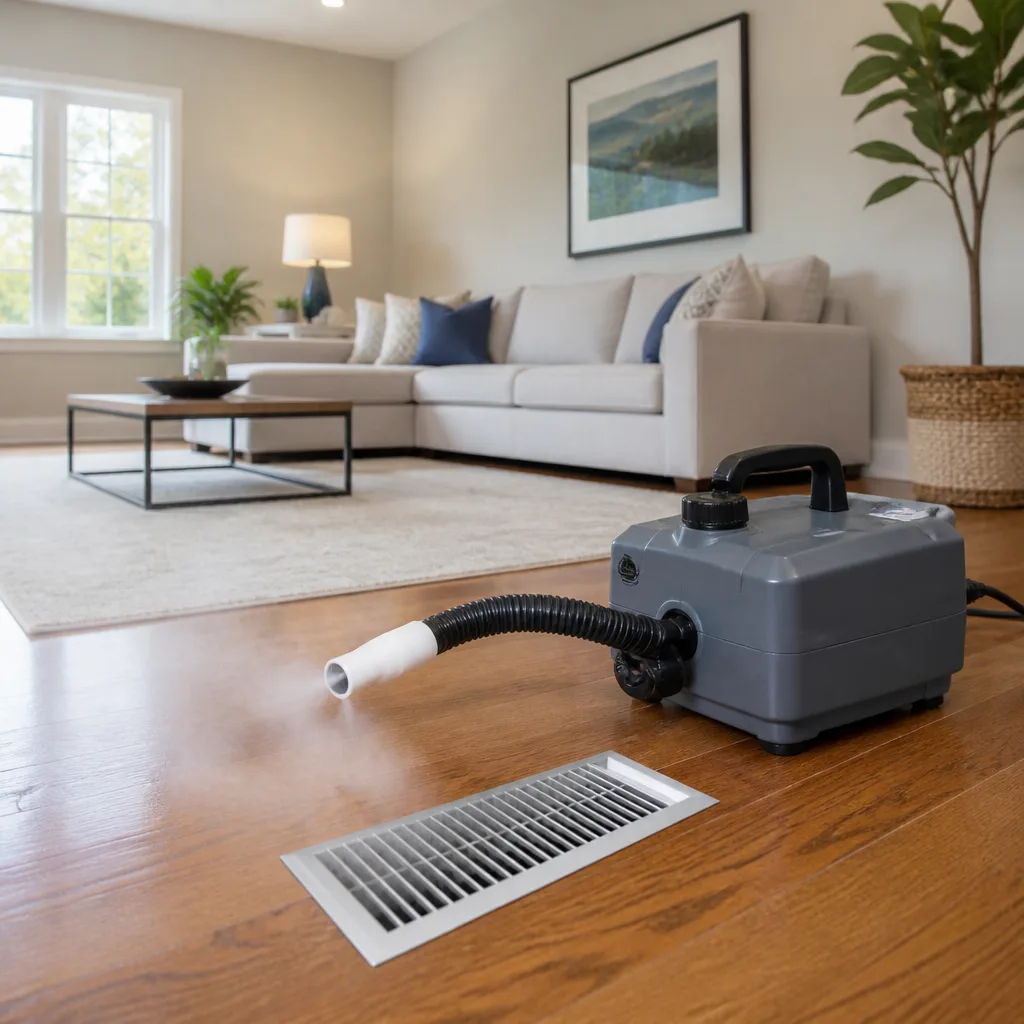 Sanitizing & deodorizing
Whole-system duct and dryer vent check with before-and-after photos - you see exactly what came out of your vents
That "$99 whole-house special" is a bait ad - the real number appears once they are in your hallway, or the "clean" is a shop-vac at the register. We photograph the inside of your ducts before and after instead.
Air Duct Cleaning Maintenance Checklist for Lake Stevens Homeowners
Changing your filter on schedule feels responsible, but a clogged filter left in place too long can push more particulate into the duct lining than a missed change would. That’s the counterintuitive part of duct maintenance most homeowners never hear: a late filter can actually work against the system it’s meant to protect. The filter loads up, airflow finds the path of least resistance, and fine dust settles into the same ductwork you’re trying to keep clean. This guide gives you a diagnostic calendar for your ducts, built around the specific seasonal stressors a Lake Stevens home faces, so routine checks become early-warning catches instead of guesswork.
Quick Answer
A home air duct maintenance checklist for Lake Stevens should track filter changes with MERV ratings, log register and return-vent condition monthly, and tie each check to local seasons: wildfire smoke in summer and early fall, leaf mold and debris after fall storms, and condensation from winter temperature swings. Schedule a professional cleaning and inspection when you notice consistent dust, musty odors, or a home that’s never been serviced, and keep a simple written log so every technician has baseline data before each visit.
Styles & brands we work with
- Whole-home duct cleaning
- Dryer vent cleaning
- Camera inspection
- Sanitizing & deodorizing
Table of Contents
- Why a Checklist Beats a Filter-Only Habit
- The Month-by-Month Lake Stevens Duct Calendar
- How to Log Filter Changes and MERV Ratings
- Visual Inspection Points You Can Check Without Tools
- Checklist Findings: When to Call a Pro vs. Just Watch
- How to Document Duct Condition Over Time
- Why Sealing and Repair Belong on the Checklist
- Common Mistakes to Avoid
- When to Call a Professional
- Frequently Asked Questions
Why a Checklist Beats a Filter-Only Habit
Most homeowners treat duct care as a single task: change the filter, forget the rest. The filter is a starting point, not a maintenance plan. The duct system includes return vents, supply registers, the air handler, the blower, and the network of runs traveling through walls and ceilings. Each of those has its own wear-and-soil pattern, and each responds differently to what Lake Stevens weather throws at it over a year.
A checklist works because it turns scattered observations into a pattern. You’re not just noticing “the house feels dusty”; you’re correlating that dust with a filter that was overdue, or with a register that’s been gapping at its flange since last winter. That correlation is what tells a technician where to look first.
It also helps catch problems that look minor on their own:
- Dust streaks around a supply register often mean a small leak in the joint or boot, not just a room that’s hard to keep clean.
- Musty smell near a return vent is a biological signal, not a seasonal quirk, and it’s worth logging before it spreads.
- A filter that collapses or bows inward points to airflow restriction somewhere beyond the filter slot.
- Temperature difference between rooms often tracks to a damaged or disconnected run.
None of these are emergencies in themselves. All of them get worse between professional cleanings if you’re not watching. A written checklist in a Lake Stevens home catches them while they’re still cheap to address, which is the whole point of doing this on a schedule instead of a scramble.
The Month-by-Month Lake Stevens Duct Calendar
Lake Stevens sits where the Puget Sound lowlands meet the foothills, so the duct system sees three distinct stress seasons rather than one long gentle stretch. A maintenance checklist built for a Sun Belt home doesn’t help here. This one is built for our climate.
Here’s how a year shapes up for a typical home:
- Late winter into early spring (February to April): the coldest, wettest stretch. Indoor humidity rises as windows stay shut. Watch for condensation beads on cold supply registers or water staining near flex duct runs in unconditioned crawlspaces and attics. This is when damp mustiness shows up in the return air.
- Spring (April to June): pollen season. Filters load faster than the calendar suggests. If someone in the house has seasonal allergies, log filter condition weekly during this window instead of monthly.
- Summer into early fall (July to October): this is wildfire smoke season across the state, and the air quality alerts that accompany it push the system into overdrive. A home drawing smoke-laden outside air through a running system pulls fine ash into the return side. Check filters every two to three weeks during smoke events, and note any smell of smoke inside that doesn’t clear when you close the windows.
- Fall (October to November): leaf drop and post-storm debris. Most of the leaf mold issue shows up on the exterior, but if leaves and dirt collect around an outdoor air intake or near a foundation return, that material finds its way in. Clear debris from the outdoor unit and from around foundation vents.
- Early winter (November to January): temperature swings, longer runtimes, and the first serious indoor dry-air complaints. Log which rooms feel driest and whether static shocks are common. Those are signs the air handler is running hard and the duct system may be losing conditioned air at leaky joints.
Two things to remember as you work through this. First, these seasons overlap and vary year to year in western Washington. Second, a Lake Stevens home with a heat pump cycles differently from one with a gas furnace, so use these months as guidance, not gospel. The pattern matters more than the exact date.
How to Log Filter Changes and MERV Ratings
The single most useful maintenance habit you can build is a filter log. Not the memory of when you last changed it, an actual written or shared-digital record with the date and the MERV rating of the filter you installed. Once you have four or five entries, that log starts telling you things the filter itself can’t.
MERV is the rating scale that tells you how fine a particle a filter captures. Most homes run fine in the MERV 8 to MERV 11 range. Higher MERV filters catch more, but they also restrict airflow, and that restriction can matter in a residential system with ductwork sized for a lighter filter. Our technicians have up to 10 years of experience, and one of the most common things they find on a service visit is a homeowner running a very high-MERV filter in a system that wasn’t designed for it.
What to record in the log:
- Date installed and date removed.
- Filter size (printed on the filter frame) and MERV rating.
- Condition at removal: light gray, dark gray, visibly loaded, bowed or collapsed.
- Any indoor air complaint during that filter’s run: dust on the furniture, allergy flare, musty smell, smoke smell.
- What the weather was doing (pollen season, smoke event, cold snap).
The correlation matters more than the raw data. If you see increased dust complaints two weeks after a high-MERV change, the filter restriction may be dumping particulate into a slow-moving return. If allergy flares cluster during pollen months but clear once the filter is fresh, the system is doing its job and you just need a shorter interval. If a filter is darkening unusually fast, that tells a technician the return side may be ingesting dust from somewhere it shouldn’t, and that’s worth an inspection rather than a faster filter swap. Bring the log to any air duct cleaning visit and technician can see the timeline at a glance instead of guessing.
Visual Inspection Points You Can Check Without Tools
You don’t need equipment to spot the majority of duct issues that show up early. You need a flashlight and five minutes at each register. Walk the house once a month, working room to room, and look at these points.
At each supply register:
- Dust streaking on the grille or the wall around it. A little uniform dust is normal; a dark streak radiating from one edge suggests an air leak at the joint.
- Rattling or whistle when the system runs. That’s air escaping through a gap, not a purely cosmetic noise.
- Visible debris or fuzz clinging to the inside of the grille when you shine a light through the slats.
- Condensation on the metal parts during cold weather, which can signal a duct run in an unconditioned space losing its insulation.
At the main return vent(s):
- How the filter sits in its frame. A filter that’s too small leaves a bypass gap, and that gap feeds the duct system with unfiltered air.
- Whether the return grille is properly attached and seated. Vibration loosens screws over time.
- Smell. Open the grille and sniff. A musty or damp odor in the return is the strongest single signal that biological growth may be present somewhere in the system.
At the air handler/outdoor unit:
- Debris collection around the unit’s base and inside the cabinet (if accessible without opening panels).
- Rust streaks, water stains, or puddled water on the housing or nearby floor.
- The exposed flex duct connections: any obvious tear, sagging, or tape that’s lifting away from a joint.
Anything you see that falls into one of those categories gets written in the log with the date and the room. Don’t try to fix duct joints yourself. Ductwork carries the air your family breathes, and the tape joints, sealed boots, and insulation runs have specific installation requirements. Recording the observation and handing it to a professional is the right move.
Checklist Findings: When to Call a Pro vs. Just Watch
One of the harder judgments in duct maintenance is sorting a normal observation from a should-call-somebody finding. Reporting everything turns you into a nervous homeowner. Reporting nothing means you miss the problems that compound. Here’s how we draw the line.
Informational only (log it, keep watching):
- Uniform light dust on a supply grille after a month. Normal, especially during pollen season.
- A faint smell of dust when the heat first comes on for the season. Normal on the first few cycles.
- A filter that darkens slightly faster during a smoke event.
- Occasional mild static shocks in winter. Usually a humidity-level issue, not a duct failure.
- One room that runs a few degrees off from the rest. Worth tracking, but not a duct-emergency on its own.
Call a professional (schedule an inspection):
- Musty, damp, or mildew smell coming from a return vent, especially if it gets stronger when the system runs.
- Visible mold or dark staining around supply or return openings, or on nearby ceiling or wall surfaces.
- Persistent, heavy dust settling on furniture within days of cleaning.
- Allergy or asthma symptoms that tick up indoors and ease when you leave the house.
- A filter that collapses or bows within its rated interval, which means airflow is restricted somewhere else.
- Duct runs visible in a crawlspace or attic that show sagging, disconnection, or buckling.
- Any home that’s never had professional duct service. There’s no baseline data, and the first inspection establishes one.
For general HVAC-side checks – blower condition, coil cleanliness, drain pan, cabinet interior – that’s HVAC cleaning territory, and it’s worth having on the annual schedule alongside duct service. A separate checklist item is the dryer vent cleaning, which we recommend as an independent annual task regardless of how the duct system is behaving. Lint accumulation in a dryer vent is a genuine fire risk, and no amount of home inspection catches what’s inside a lint run.
How to Document Duct Condition Over Time
The most valuable thing you can hand a technician is a baseline. A notebook, a shared note on your phone, or a simple spreadsheet will do. What matters is that it’s current and that it travels with the home.
What to include in a duct system log:
- Installation and service dates. The date of the last professional cleaning, the last HVAC service, and the last dryer vent cleaning. One line each.
- Year of the home and HVAC system. Not because either is a problem, but because it tells a technician what era of ductwork to expect (rigid sheet metal, flex, or a mix).
- Filter history. The log from the previous section.
- Room-by-room observations. A short note per room each quarter. Any room that’s been consistently dustier or drier gets flagged.
- Photos. One set of photos at each register and return, taken with your phone once a year. Over two or three years those photos will show you changes (a new streak, a new gap, new staining) that aren’t visible in a single visit.
- The professional findings. After each inspection or cleaning, write down what was found and what was done. That includes before-and-after photos when the technician provides them.
Why bother? Because indoor air quality problems usually build slowly. A musty smell in year one becomes visible staining in year three, and the trajectory matters. A technician who can see the trend can tell whether a duct repair and sealing job will solve the problem or whether there’s a source above the ceiling that needs addressing first. That’s not something anyone can figure out from an hour on site without context. The documentation is what makes the next visit a diagnosis instead of a start-over.
This is why we encourage customers to keep their own file. We’ll bring equipment and professional-grade methods. What we can’t bring is the last three years of what your home has been doing between visits. That record belongs to the homeowner, and it’s the best tool in the checklist.
Why Sealing and Repair Belong on the Checklist
Cleaning and sealing are different jobs, and a duct system needs both tracked. Cleaning removes what’s accumulated inside. Sealing and repair keep the system from leaking the very air it’s supposed to deliver – and leaking is the quieter long-term problem.
Every joint, boot, and connection in a residential duct system is a potential leak point. Over years of thermal cycling, the tape on flex duct lifts, the mastic on a boot crack, and a run in a hot attic or a damp crawlspace loses insulation. A small leak on the supply side doesn’t just waste energy. On the return side, a leak in an unconditioned crawlspace or attic can draw in air you never wanted in the house, along with whatever is in that space.
What to look for on the checklist side:
- A joint that’s visibly gaping or has lifting tape.
- Flex duct runs that sag, kink, or have pulled away from their collar.
- Insulation that’s torn or compressed on a run in an unconditioned space.
- New dust streaks at a joint that weren’t there last quarter.
These get logged as observations, not repairs. The repair itself is a professional job. Duct sealing requires the right method for the duct type – mastic, mesh, tape rated for the application – and a proper rep might also involve re-hanging or rerouting a run to restore airflow. That’s why we offer Lake Stevens Air Duct Cleaning with duct repair and sealing in the same scope as the cleaning: the structural cause of a persistent air quality issue usually sits in the ductwork itself, not in the room it’s showing up in.
Common Mistakes to Avoid
- Running a high-MERV filter without checking system compatibility. Higher MERV sounds safer, but residential systems aren’t all sized for the airflow restriction. If you’re going above MERV 11, log how the system behaves for a month and watch for short cycling or weak airflow at the far registers. If you notice problems, back down.
- Leaving a loaded filter in place because it “looks fine.” The filter looks fine until it doesn’t, and the failure mode is bowed or collapsed media letting particulate straight through. Change on schedule, not on appearance. In Lake Stevens, that means shortening intervals during smoke season.
- Assuming a dusty home is a filter problem. Dust on the furniture can come from a leaky return duct, a return that’s pulling from an unconditioned attic, or a filter bypass gap. Swapping filters faster won’t fix any of those, and this is the most common misdiagnosis we see.
- Ignoring musty smell until it’s visible. Smell precedes visible mold by months, and biological contaminants in the duct lining are harder to address once they’ve spread. Log the smell and call.
- Pulling an HVAC cabinet open to look inside. A blower compartment and coil assembly involve electrical connections and moving parts. Removing panels isn’t a homeowner inspection point, and the risk of contact with live wiring isn’t worth the look.
- Skipping the crawlspace and attic in the visual walk. Lake Stevens homes with unconditioned crawlspaces have the most vulnerable duct runs, and that’s where insulation tears and disconnected boots show up first. Include a careful exterior walk-around and a look into any accessible crawlspace or attic opening on your annual log.
- Skipping the dryer vent because the dryer still works fine. A dryer that dries in one cycle is not proof the vent is clear. Lint accumulation is a slow build, and it doesn’t announce itself. Add the vent to the annual schedule regardless of how the dryer’s performing.
When to Call a Professional
Call a professional when any of these is true: the home has never had a professional duct inspection; there’s a musty smell in the return air or visible staining near a register; dust accumulates on surfaces within a few days of cleaning; a filter collapses within its interval; someone in the house has allergy or asthma symptoms that worsen indoors; or your log shows a change at any register that’s been growing for a season instead of settling down. Call as well if a duct run in the crawlspace or attic shows sagging or disconnection – those are structural, not just cosmetic. In our experience, the calls that come earliest are the ones with the simplest fixes.
Lake Stevens Air Duct Cleaning offers free estimates in Lake Stevens. Call (855) 726-7819. We answer 24/7. Fast dispatch from 7am to 7pm, Sunday through Friday. The technician who arrives uses professional-grade equipment (Rotobrush rotary brush systems, Nikro negative-air containment, Abatement Technologies filtration) and reports what the system looked like before and after, so you have a real before-and-after record to add to your log.
Frequently Asked Questions
Most Lake Stevens homes do well with professional cleaning every three to five years, but the right interval depends on what your log shows. A home near a busy road, with pets, with recent renovation dust, or with a family member who has allergies often needs service on the shorter end. Homes that have never been serviced should start with an inspection. Call (855) 726-7819 for an exact quote – estimates are free.
Yes. During regional smoke events, the system pulls fine ash through the return side, and if the filters are on their normal schedule, they may be loaded long before you notice. During a smoke event, shorten filter-check intervals to every two to three weeks, keep windows and doors closed, and log any smoke smell that lingers indoors after the outside air clears. If the smell stays with the system running, that’s a biological or debris loading signal worth an inspection. Call (855) 726-7819 for an exact quote – estimates are free.
MERV 8 to MERV 11 is a good match for most residential systems here. Higher MERV captures finer particles but adds airflow restriction, and a home whose ductwork wasn’t sized for it can end up with weak far-register airflow and short cycling. Use the filter log to compare MERV choices against indoor air complaints over a few months. That data tells you what actually works in your specific system, not what works in someone else’s.
You can handle the maintenance side: filter changes, register checks, log keeping. You cannot properly clean a residential duct system with consumer equipment, and you should not open HVAC panels, air handler cabinets, or wiring to try. Professional cleaning uses negative-air containment and rotary brush equipment that a shop vacuum can’t replicate, and the containment matters as much as the agitation – without it, dislodged debris just recirculates into the house. The checklist is your job; the cleaning is ours. Call (855) 726-7819 for an exact quote – estimates are free.
Not always, but it’s worth treating as a possible signal until a professional confirms otherwise. Musty smell in the return air can come from biological growth in a damp crawlspace duct, from a condensate issue at the air handler, or from an insulation material that’s been wet. Spring and early winter in Lake Stevens are when we see it show up most, since indoor humidity climbs with the windows shut. Log the smell with dates and call for an inspection rather than waiting for visible staining. Call (855) 726-7819 for an exact quote – estimates are free.
Ask for before-and-after photos of your own ducts. That’s the simplest check, and a reputable provider will supply them as part of the service, not as an upsell. Compare the photos to your own baseline photos. If they show clean supply and return runs at multiple points and you have a written summary of what was done, you have the record you need. If the photographs don’t match what you saw before the visit, ask. A company confident in its work will explain the difference. Call (855) 726-7819 for an exact quote – estimates are free.
See the difference
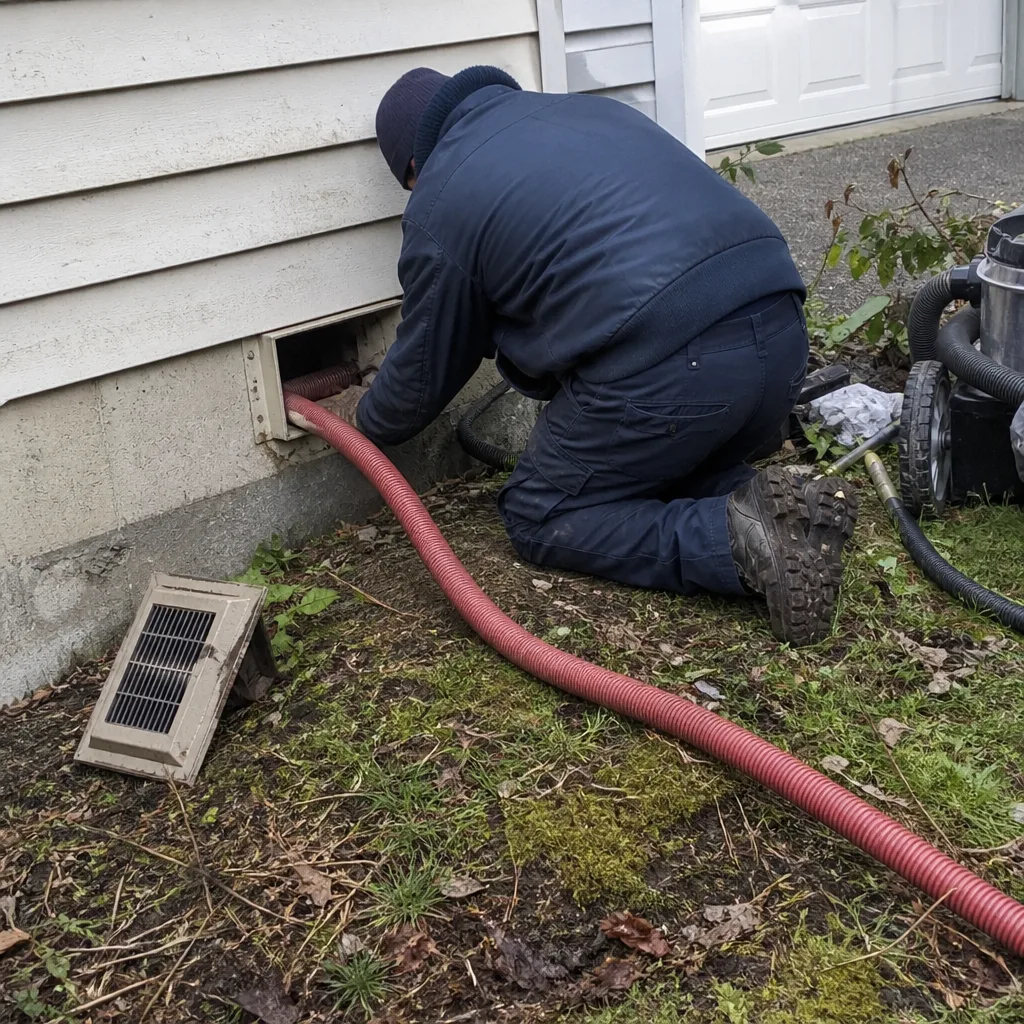 Before
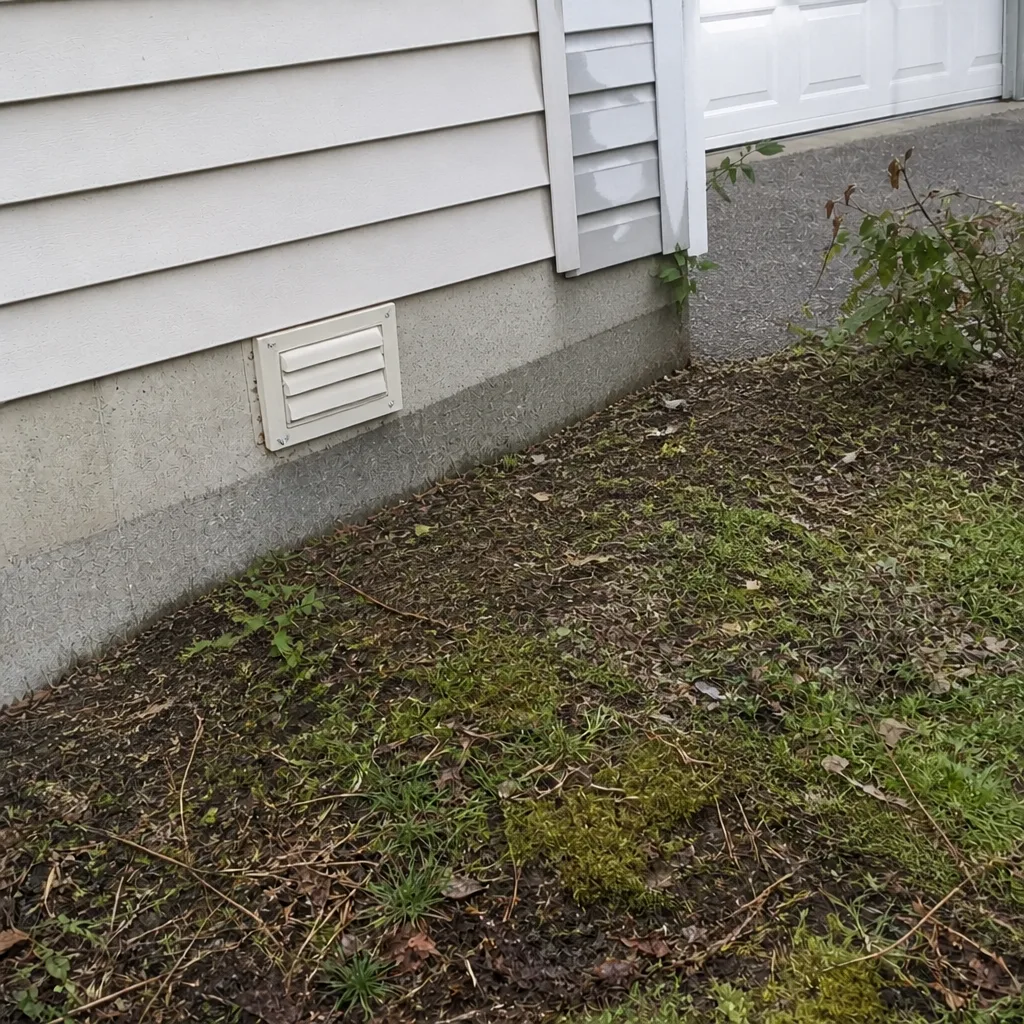 After
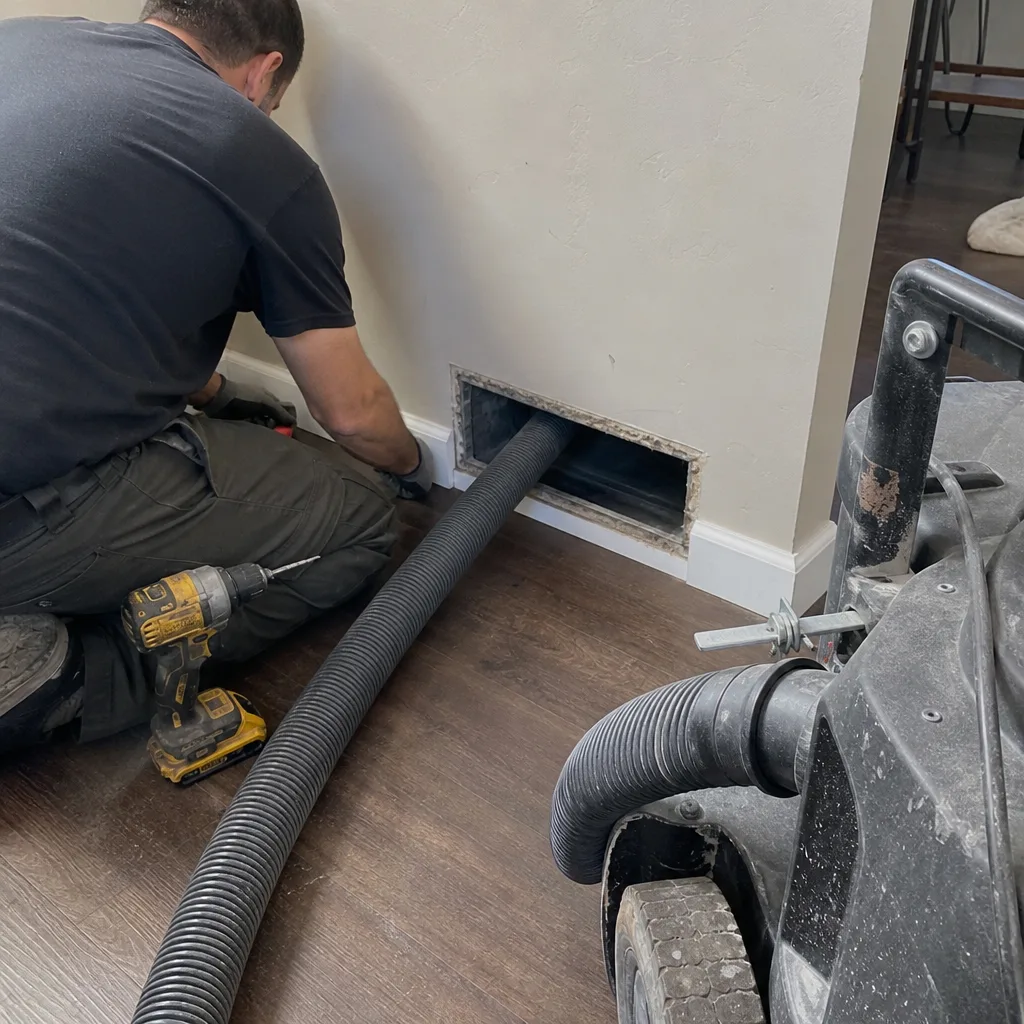 Before
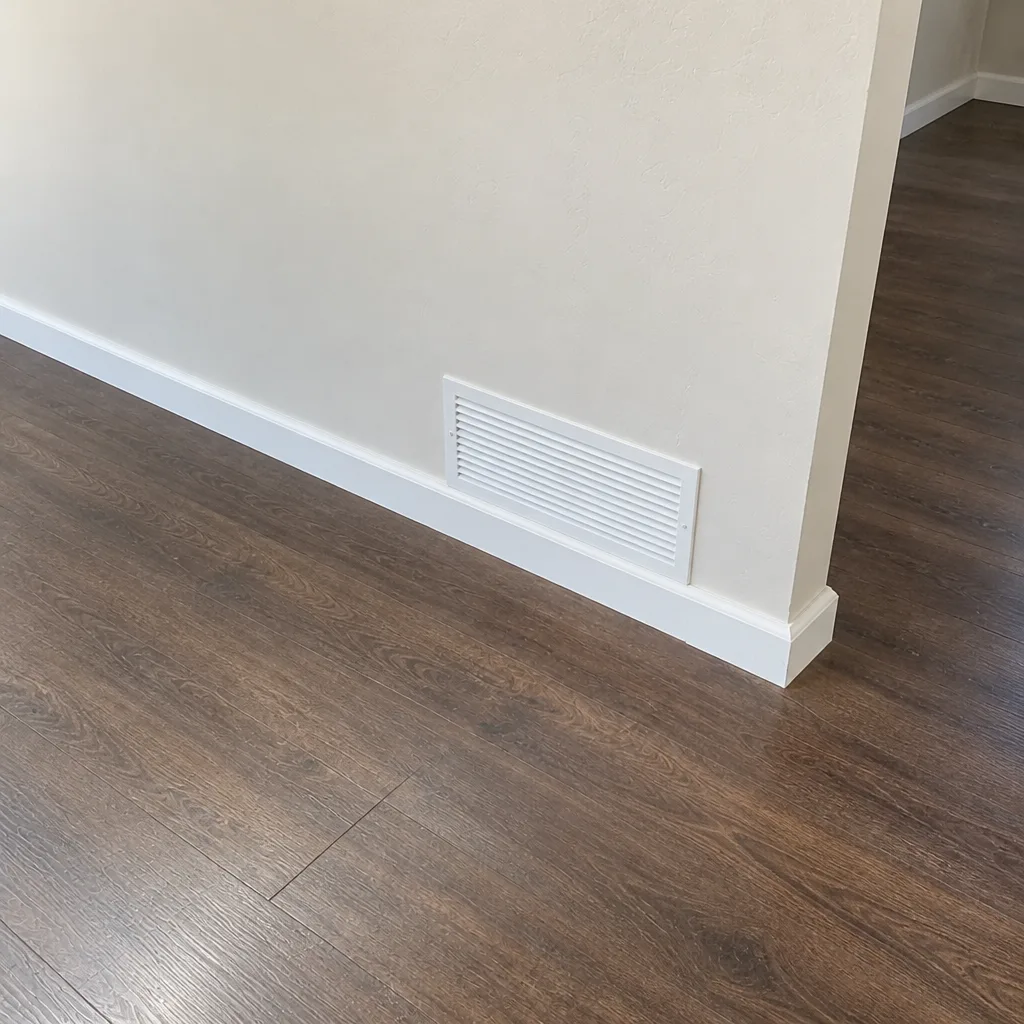 After
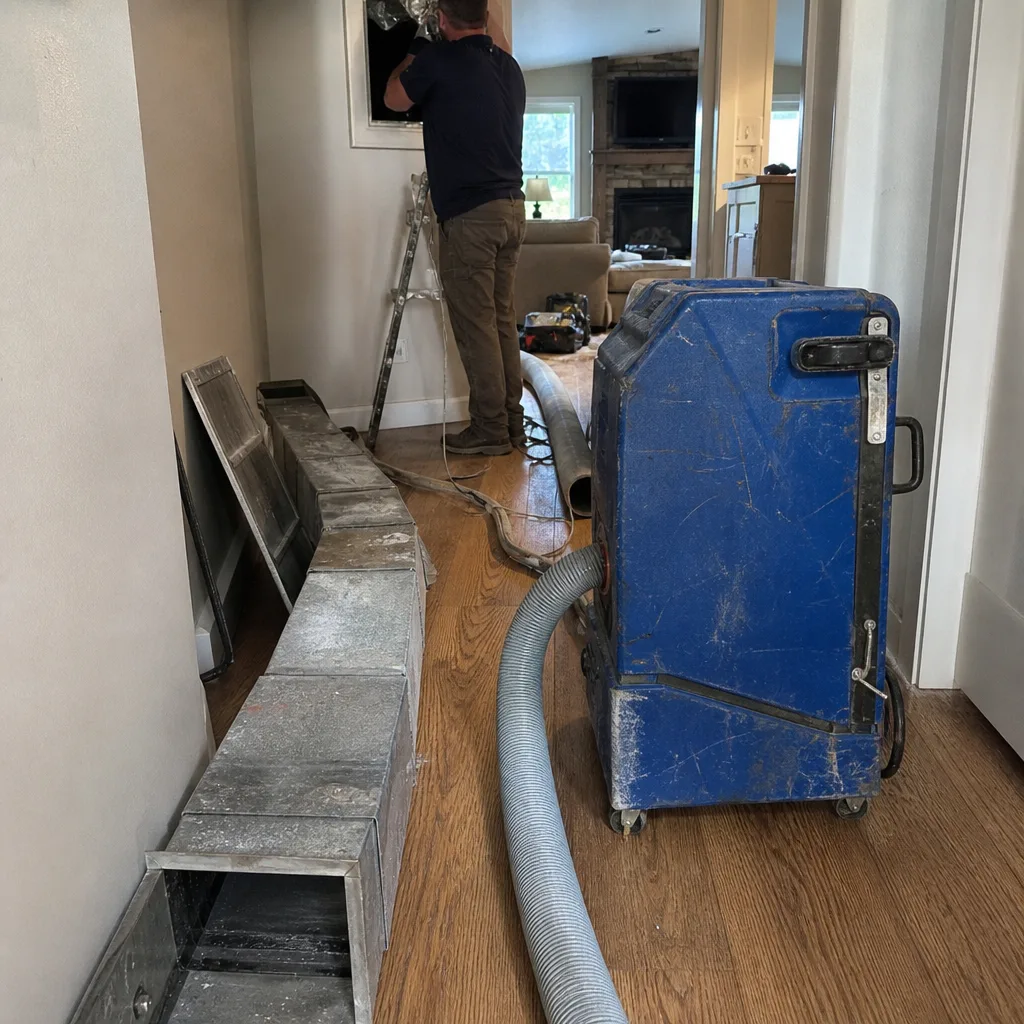 Before
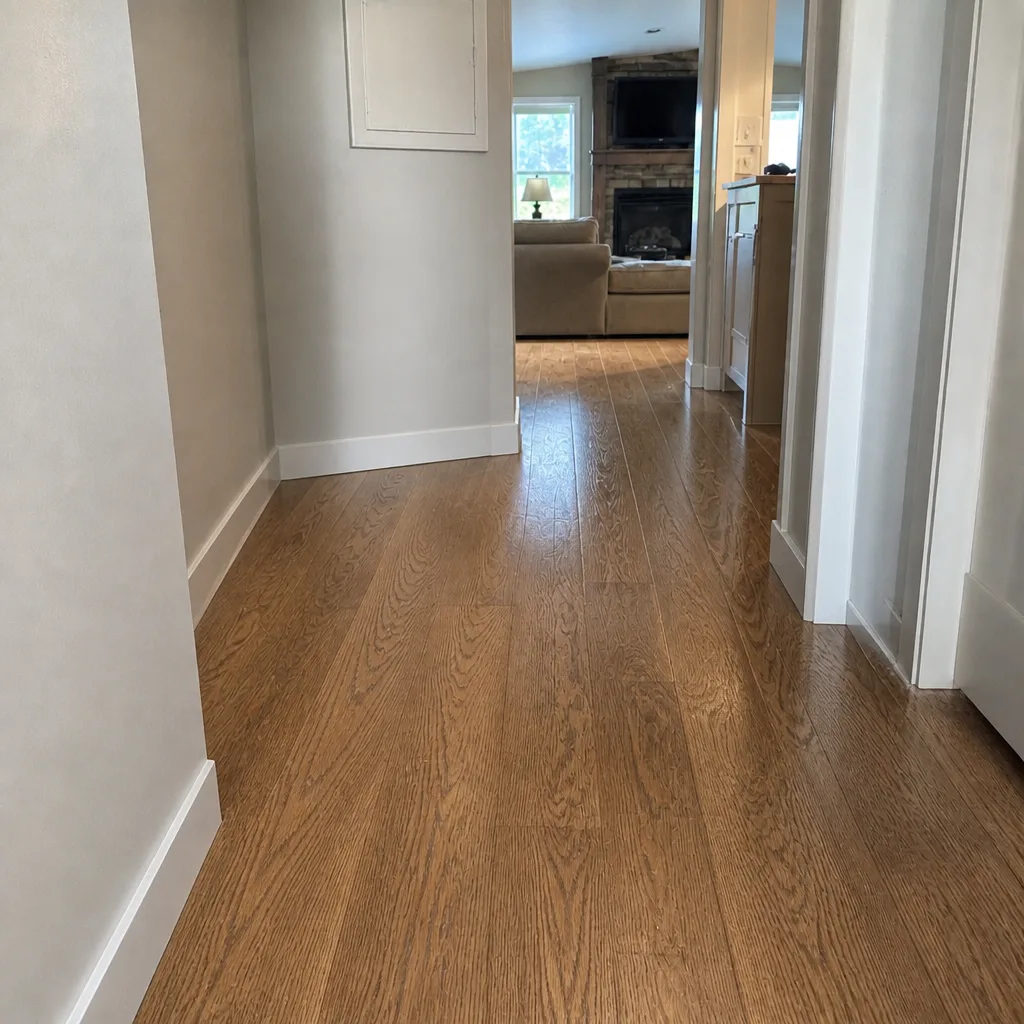 After
The Bottom Line
A maintenance checklist earns its keep by turning scattered observations into a pattern you can act on. Change the filter on schedule, keep a written log of dates, MERV ratings, and indoor complaints, and walk the registers and returns once a month with a flashlight. Tie the calendar to Lake Stevens seasons: smoke-season filter checks in summer and fall, leaf-mold cleanup after fall storms, condensation-watch through the winter. When the log shows a finding that persists or grows, that’s a professional call, not another filter swap. Schedule an inspection if your home has never had one, and let the checklist carry the rest of the year.
Contact
If your log has flagged something you’d like a professional opinion on, call Lake Stevens Air Duct Cleaning for a free estimate. Our scope covers air duct cleaning, dryer vent cleaning, HVAC cleaning, air quality and sanitizing, and duct repair and sealing, so one visit can address cleaning, sanitizing, and system integrity together. We use professional-grade equipment from Rotobrush, Nikro, and Abatement Technologies, and we install air quality products from Honeywell and Aprilaire when the system needs that step. Every estimate is free, we agree on the scope before work starts, and we provide before-and-after photos of your own ducts. Call (855) 726-7819. We answer 24/7. Fast dispatch from 7am to 7pm, Sunday through Friday.
Written by the team at Lake Stevens Air Duct Cleaning.