
Last updated November 25, 2026
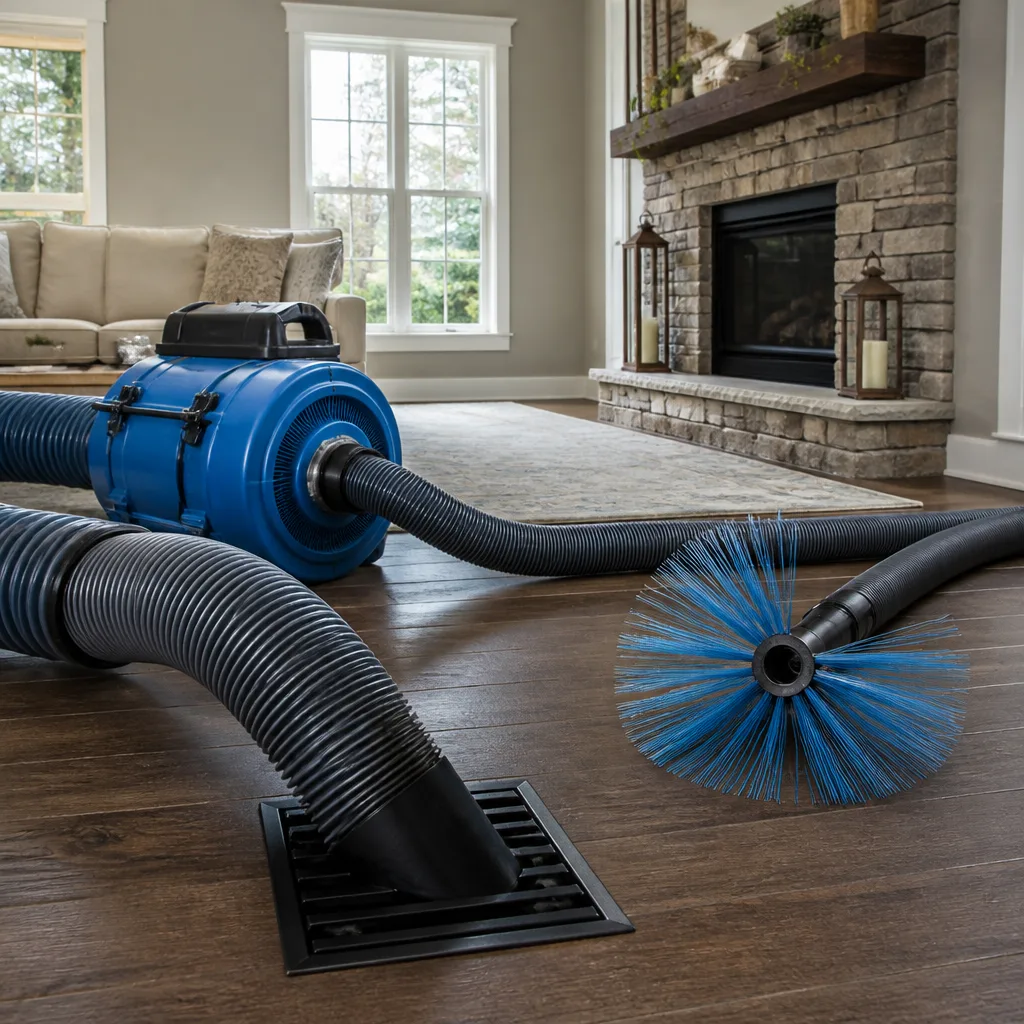 Whole-home duct cleaning
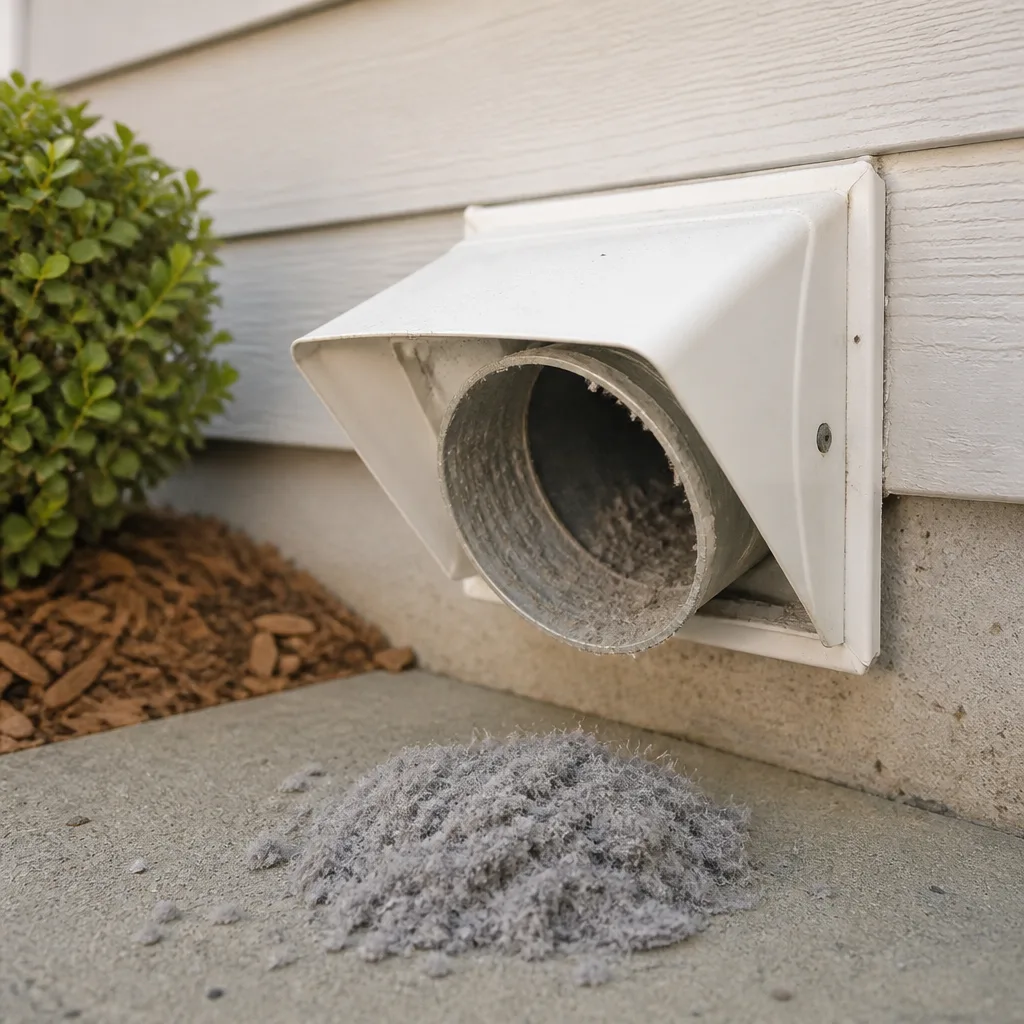 Dryer vent cleaning
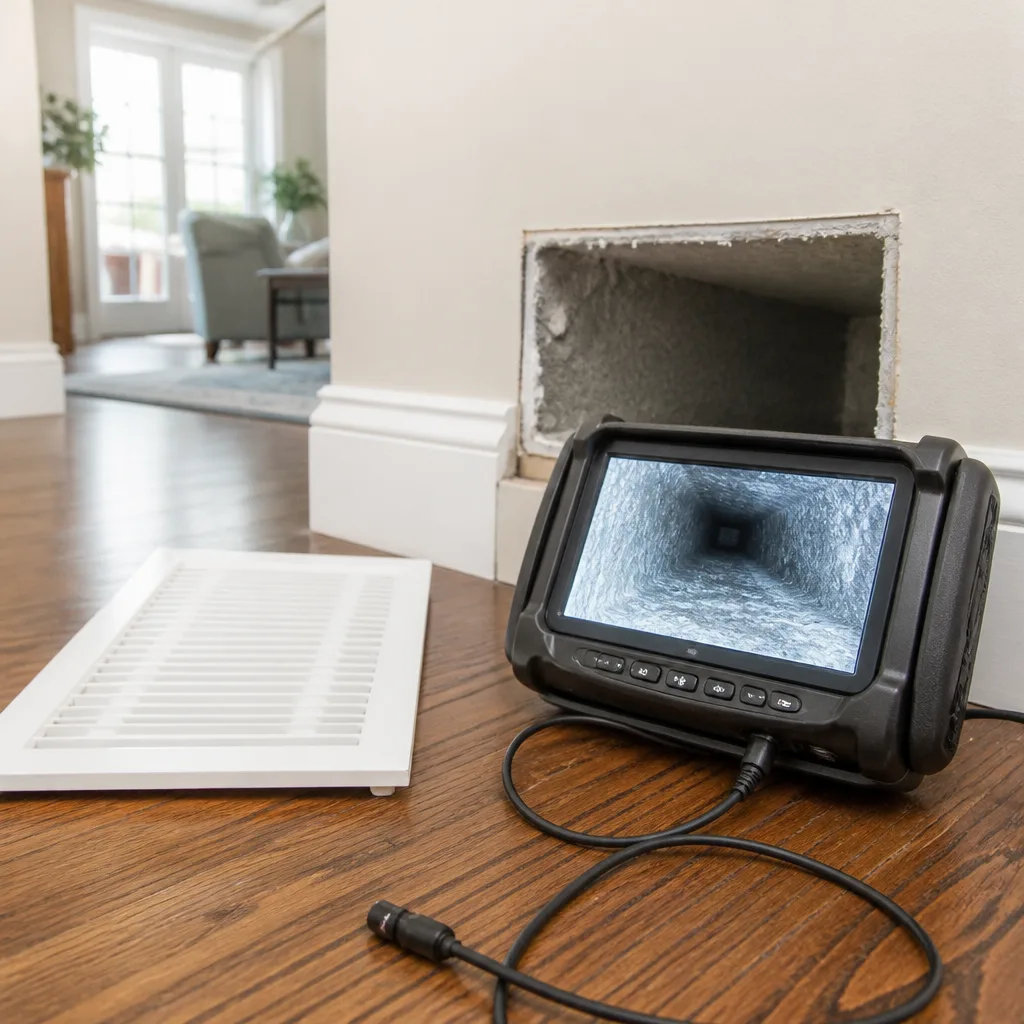 Camera inspection
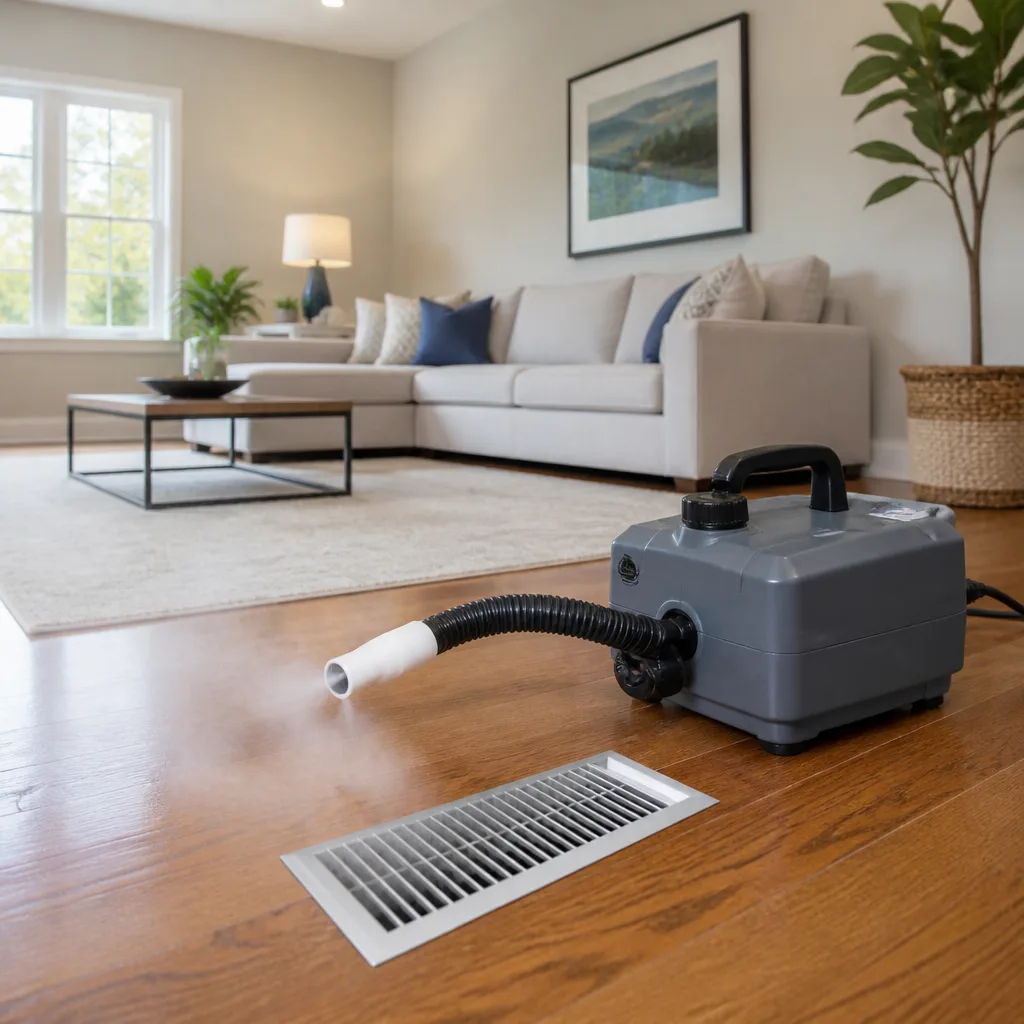 Sanitizing & deodorizing
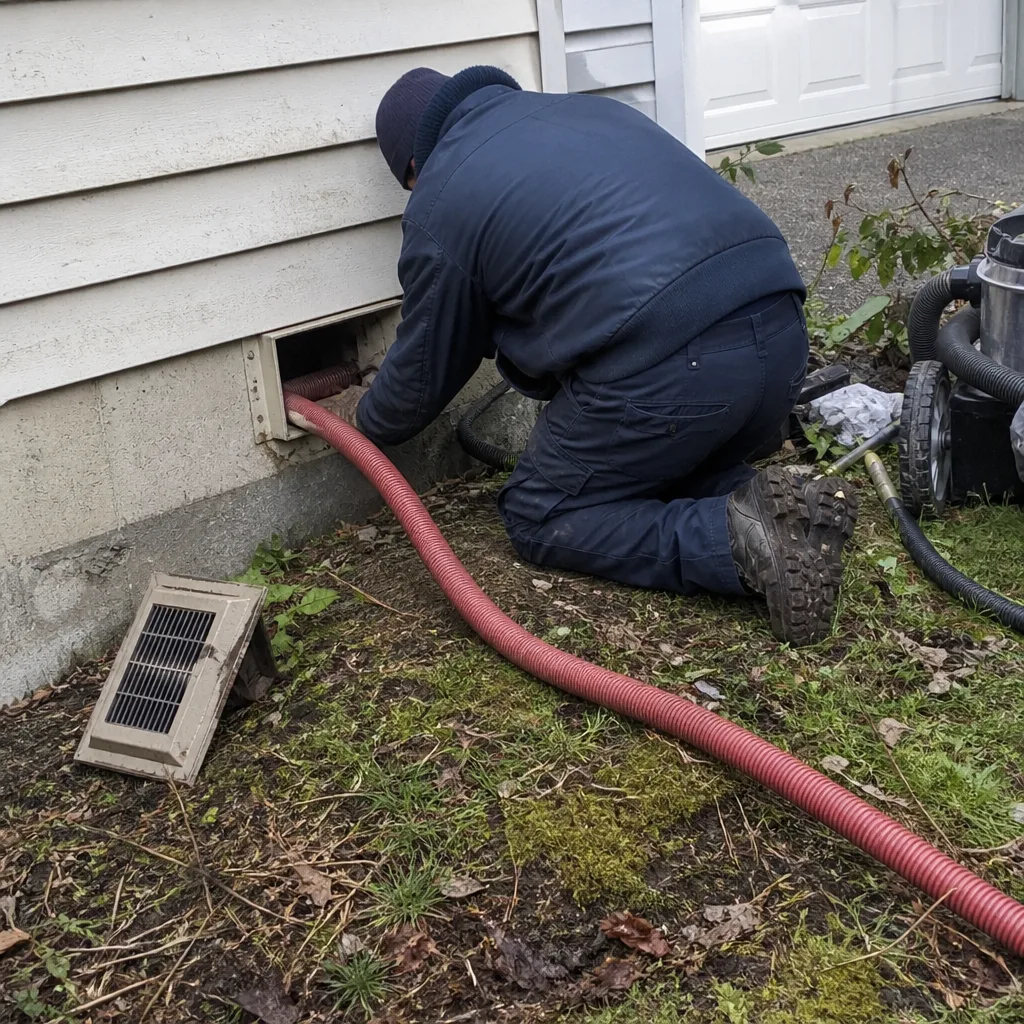
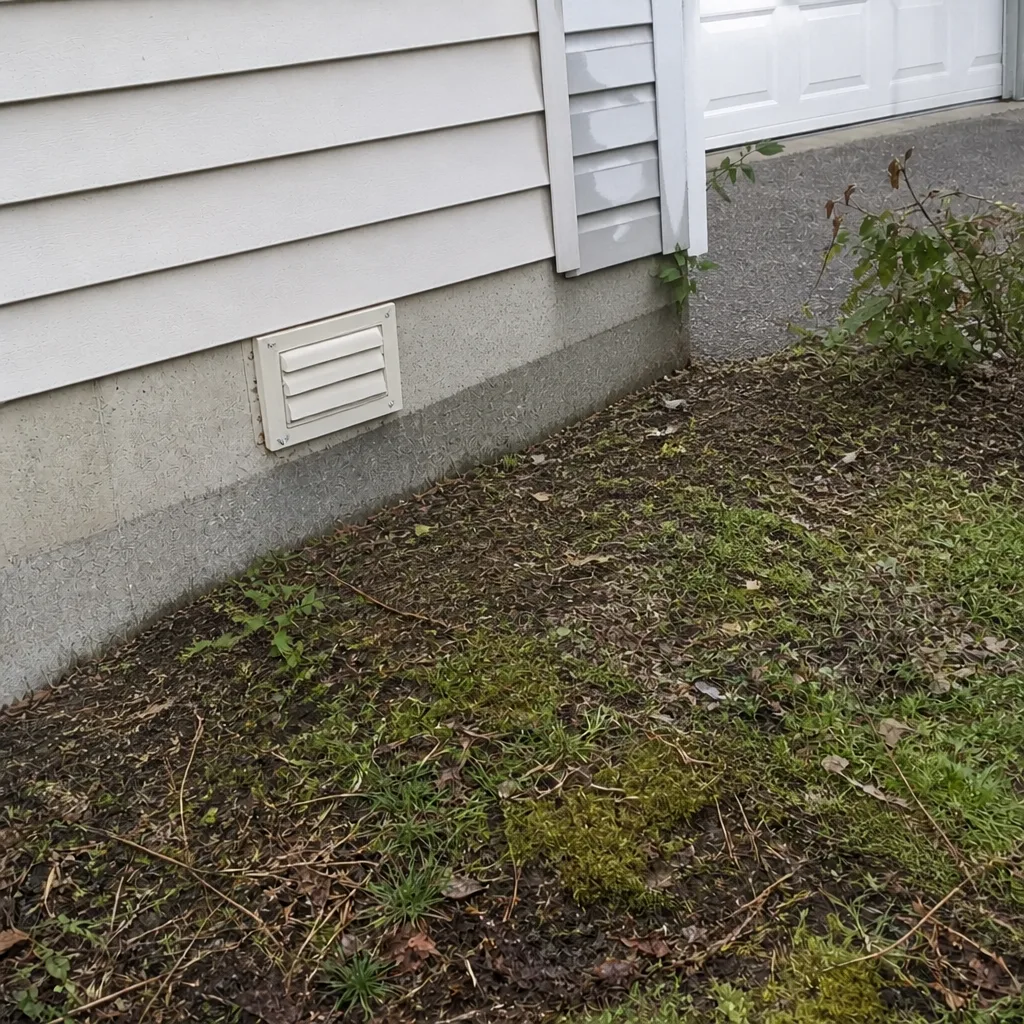
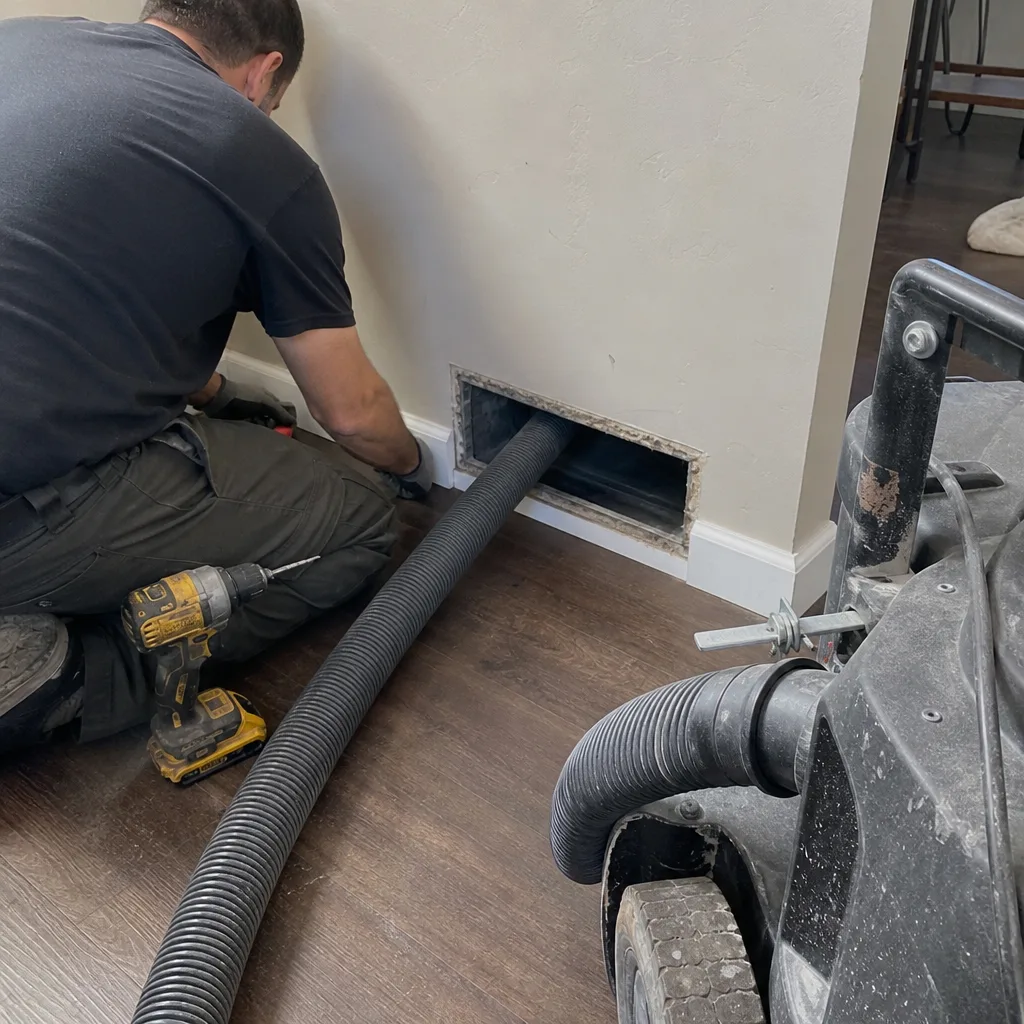
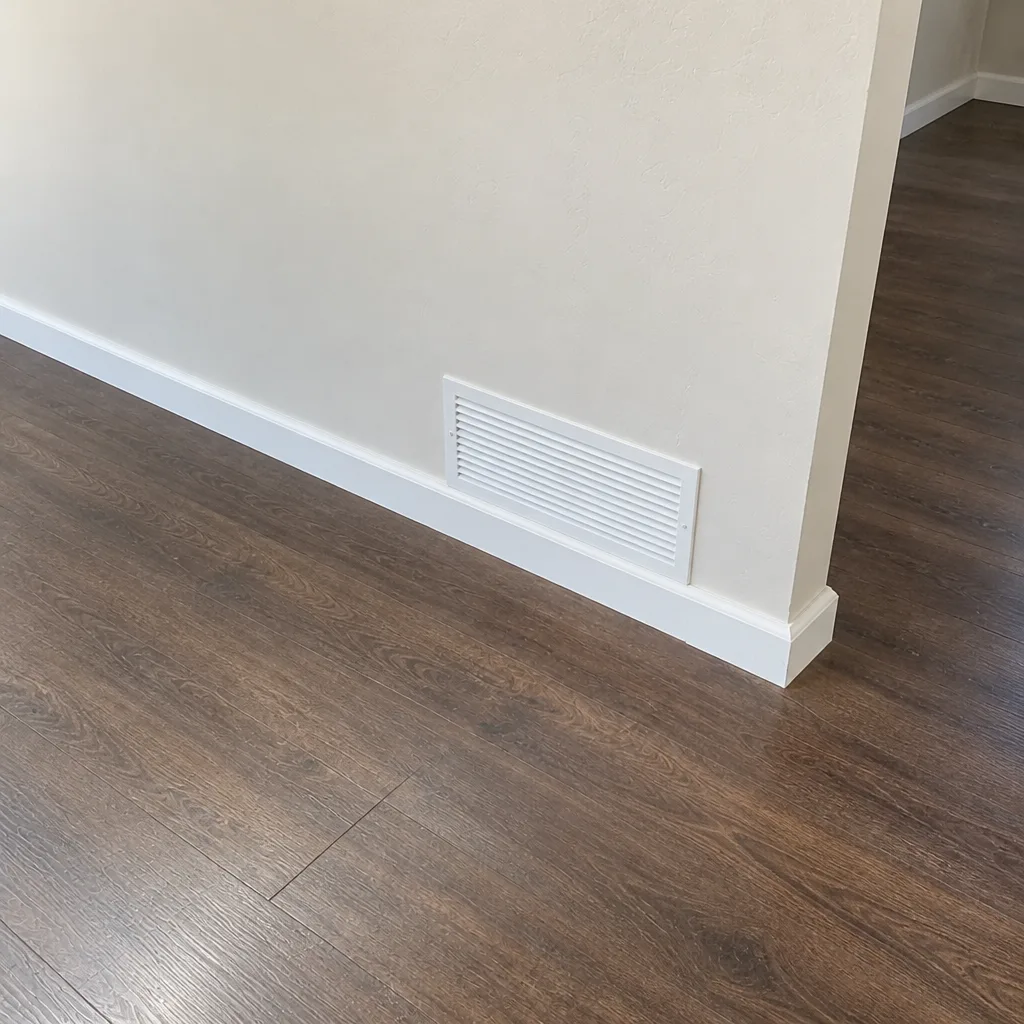
Whole-system duct and dryer vent check with before-and-after photos - you see exactly what came out of your vents
That "$99 whole-house special" is a bait ad - the real number appears once they are in your hallway, or the "clean" is a shop-vac at the register. We photograph the inside of your ducts before and after instead.
Air Duct Cleaning Emergency Preparedness Guide for Lake Stevens Homes
Most homeowners who live through a house fire, a burst-pipe flood, or a rodent infestation do exactly one thing before the ductwork crosses their mind: they clean what they can see. They scrub walls, replace flooring, repaint the kitchen. Smoke particulate, mold spores, and rodent debris that settled into the return lines during the event sit untouched behind drywall, and every time the furnace kicks on, that contamination moves back into the living space. The damage no longer comes from the event itself. It comes from the system that keeps running afterward. This guide walks Lake Stevens homeowners through when post-event duct cleaning is mandatory, when it’s precautionary, and how to document a claim so an insurer understands what happened.
Quick Answer
After a fire, flood, wildfire smoke event, or rodent infestation, duct cleaning is mandatory when the HVAC system was running during the event, when water reached duct insulation, or when pest activity is confirmed inside the ductwork. It’s precautionary when the system was off, no moisture entered the ducts, and a camera inspection shows no debris or damage. In Lake Stevens, the difference usually comes down to one question: did air or water actually move through the system?
Styles & brands we work with
- Whole-home duct cleaning
- Dryer vent cleaning
- Camera inspection
- Sanitizing & deodorizing
Table of Contents
- Post-Fire Smoke: How It Enters the Duct System
- The 48-72 Hour Window After a Flood
- Wildfire Smoke Events: Was the HVAC Running?
- Rodent Activity in Ductwork and Why DIY Fails
- Insurance Documentation You Need
- How We Assess a Post-Event Duct System
- Post-Event Inspection Checklist for Homeowners
Post-Fire Smoke: How It Enters the Duct System
Smoke behaves very differently on the return side of an HVAC system than on the supply side, and a proper post-fire cleaning has to address both. Most of the smoke that fills a home during a kitchen fire is drawn into the return grilles because the air handler is pulling air back from the rooms. That means the contaminants travel through return ducts first, and the supply side only carries them once the system pushes air back out. A clean job treats the whole air pathway, not just one side of it.
Smoke residue isn’t uniform, either. Soot from cooking fires is greasy and clings to duct walls, fiberglass liner, and the blower wheel. Wood smoke leaves a dry, fine particulate that behaves more like dust and re-suspends easily. In either case, the residue keeps off-gassing and re-circulating through supply registers long after the walls are repainted.
What a proper post-fire protocol looks like
- Camera-inspect returns before touching the supply side, so documentation captures the original condition of each run.
- Seal supply registers and open the system at the air handler to establish negative pressure.
- Use a rotary brush system to dislodge soot from duct walls – suction alone leaves the greasy film behind.
- Run negative-air containment on the working zone so loosened particulate doesn’t re-enter the home during cleaning.
- Trace and clean every branch run, not just the visible trunk line.
- Post-clean camera-verify each run and photograph it for the claim file.
If the fire was contained to one room but the air handler kept running throughout, the return side is almost certainly affected. Cleaning only the branch near the fire is the single most common shortcut we see in post-event duct work in Lake Stevens, and it leaves smoke residue in the main trunk line and air handler cabinet. The full-system scope under our air duct cleaning covers both sides of the airflow, which is what smoke remediation actually requires.
The 48-72 Hour Window After a Flood
Moisture is the fastest-moving threat to a duct system, and the clock starts the moment water contacts duct insulation or an interior duct surface. Damp fiberglass liner and damp duct board become supporting environments for microbial growth much sooner than most people expect. Once mold establishes itself inside a duct run, cleaning alone won’t solve it – the contaminated liner often needs to be removed and replaced, and that’s a larger job than the cleaning that would have prevented it.
Why the window matters
Ducts are not sealed boxes. They’re pressure vessels with joints, seams, and mastic that move warm or cold air through every corner of the house. During a flood event, moisture travels along those same paths. If the water level reached a return grille, if a wet ceiling soaked downward through a supply run, or if the air handler itself was submerged, the ductwork has been exposed to liquid water. In those cases, waiting a week to schedule a dryer-style cleaning is the wrong move – the priority is inspection and drying, followed by remediation.
What to do within the first 72 hours
- Stop running the HVAC system until the ducts have been inspected; circulation spreads moisture into runs that were previously dry.
- Document water heights, wet materials, and any visually damp insulation with photos and video.
- Have a camera inspection performed to identify which duct runs actually took on water.
- Schedule professional cleaning plus sanitizing for any run that shows moisture, discoloration, or musty odor.
- Confirm the source of the leak has been repaired before cleaning, or you’ll re-contaminate the ducts on the next rain.
Our air quality and sanitizing service is designed for exactly this scenario. Cleaning removes debris and biological material; sanitizing addresses what’s left on the duct surfaces. Both belong in a flood response plan. For moisture we also inspect whether the ducts are structurally intact – gaps and loose joints let water-loaded air leak into wall cavities, which is a bigger problem than the ducts themselves.
Wildfire Smoke Events: Was the HVAC Running?
Wildfire smoke reaching Lake Stevens skies is an increasingly common summer and early fall reality, and the single most useful assessment question is whether the HVAC was running during the heaviest smoke. If the system was off and windows were closed, contamination is usually light and confined to the filter. If the system was running – especially on recirculate – the air handler pulled smoke-loaded air through every return grille and into the duct system, where fine particulate settled on duct walls and inside the air handler cabinet.
Assessment criteria after a smoke event
- Was the HVAC running during peak smoke hours? If yes, expect measurable duct contamination.
- Did anyone in the household notice odor when the system cycled on after the smoke cleared? This indicates residual particulate in the ductwork or air handler.
- Was the furnace filter MERV-rated high enough to capture fine smoke particles? Standard filters don’t catch the smallest fraction.
- Are occupants reporting itchy eyes, irritated throat, or aggravated asthma on system startup? That’s a signal to inspect the duct system, not just replace the filter.
- Did the smoke event last multiple days? Prolonged exposure increases the load that settles in the system.
Wildfire smoke is a mixture of fine particulate and combustion byproducts, and a shop vac can’t dislodge it from duct walls once it has settled into the porous surface of a fiberglass liner. Negative-air containment matters here, because the contamination you’re loosening is exactly what you don’t want back in the living room. For Lake Stevens homes that sat through multi-day smoke events with the system running, professional cleaning plus a filter upgrade is the standard response.
Rodent Activity in Ductwork and Why DIY Fails
Rodents don’t just live in attics – they use duct systems as highways and nesting sites, and the contamination they leave behind is the part homeowners underrate. Rodent feces, urine, and nesting material carry biological hazards that shouldn’t be handled with a household vacuum, and the debris itself is often packed into corners and flex duct that a DIY clean can’t reach. In our experience, the visible evidence outside the duct (droppings in the attic, chewed insulation, gaps around floor registers) is a fraction of what a camera inspection finds inside.
Why this job needs negative pressure, not a shop vac
Rodent debris inside ductwork is a particulate and biological hazard. Loosening it with suction from a consumer-grade vacuum without containment can aerosolize particles back into the home. That’s exactly the scenario where a professional crew uses negative-air equipment to keep the working zone under vacuum so loosened debris leaves the system rather than the register. Nikro negative-air units and Abatement Technologies filtration systems are the same equipment class used in professional remediation, and they’re the reason a post-rodent cleaning can be documented as complete rather than assumed.
What the process should include
- Identify entry points and seal gaps around registers, exterior penetrations, and attic connections – otherwise rodents return.
- Camera-inspect every duct run to map nests, droppings, and chewed sections.
- Contain the working zone with negative air before any dislodging begins.
- Remove debris with rotary brushing under containment, plus sanitizing of the duct surfaces afterward.
- Inspect for chewed ducts and repair or seal any damaged sections with professional duct repair and sealing.
- Recommend air quality filters that fit the HVAC system and are rated for biological particulate.
If a duct section is structurally compromised after rodent activity, cleaning alone doesn’t solve the problem. Our duct repair and sealing service exists because a sealed system is the only way to keep future contamination out, and most duct cleaners don’t offer it.
Insurance Documentation You Need
Insurers pay claims based on evidence, not descriptions. For a post-event duct claim to hold up, three categories of documentation matter: pre-cleaning condition, scope of work, and post-cleaning verification. Missing any one of these is the most common reason a duct cleaning line item gets pushed back or denied.
Documentation checklist for a duct-related claim
- Pre-cleaning camera inspection report with photos from inside each affected duct run, labeled by zone.
- Photos and video of the visible event damage – water heights at registers, smoke residue on grilles, rodent evidence near penetrations.
- Written scope of work naming what will be cleaned, what will be sanitized, and what structural repair is recommended.
- Equipment list confirming professional-grade containment and filtration were used, which supports the claim that the work was remediation rather than routine cleaning.
- Post-cleaning verification photos with camera shots of each cleaned run, matching the pre-cleaning set.
- Filter and air quality product documentation if Honeywell or Aprilaire components are recommended for the HVAC system as part of the recovery.
An accurate claim file also needs to match insurer expectations around cause and scope. Cleaning after a kitchen fire is a different claim category than cleaning after a rodent infestation, and each benefits from photos that clearly show which zone was affected. We can work with your insurer on the documentation side. The written estimate remains the final word on price for any work performed, so the claim conversation and the cleaning estimate stay separate.
How We Assess a Post-Event Duct System
Every post-event assessment in Lake Stevens starts with the same question a structural engineer would ask: what actually moved through this system? Fire smoke, moisture, and rodent contamination each have different entry paths, and a proper assessment has to identify which one reached the ducts before deciding on a scope.
The assessment sequence we run
- Walk the building with the owner or property manager to map what happened, when, and which zones were affected.
- Inspect the air handler and blower wheel first, since contaminants often accumulate there before the ducts.
- Camera-inspect returns and supplies separately, since contamination loads differ on each side.
- Moisture-check any run near water events or damp areas.
- Identify structural concerns – loose joints, collapsed flex duct, torn liner – that need repair rather than just cleaning.
- Recommend a scope: routine cleaning, post-event cleaning plus sanitizing, or full remediation with repair and sealing.
We use Rotobrush rotary brush systems for dislodging debris because suction alone leaves material clinging to duct walls. The assessment determines whether a single system or the full air pathway needs the full scope. For properties with multiple systems, we assess each one individually rather than applying a single blanket scope.
For a broader look at what routine cleaning covers, see our main Lake Stevens Air Duct Cleaning service overview, and for furnace and air handler cleaning specifically, our HVAC cleaning page walks through the mechanical side of the system.
Post-Event Inspection Checklist for Lake Stevens Homes
Homeowners and property managers can run this checklist themselves in the first week after any event. It won’t replace a camera inspection, but it will tell you whether you need one quickly or whether you have time to schedule a routine appointment.
After a fire
- Was the HVAC running during the event? If yes, plan for a full-system inspection.
- Sniff near supply registers when the system cycles on; lingering smoke odor signals residual contamination.
- Check the furnace filter – heavy gray residue indicates air handler exposure.
- Photograph any visible soot on grilles and return vents for the claim file.
After a flood or water intrusion
- Identify any return or supply grille that was submerged or splashed.
- Look for water staining in the ceiling or around baseboard registers.
- Smell for mustiness when the system first kicks on after drying.
- Schedule inspection within the first 72 hours if any ductwork was wet.
After a wildfire smoke event
- Note whether the HVAC ran during peak smoke hours.
- Replace the furnace filter and inspect the removed filter for discoloration.
- Watch for coughs, itchy eyes, or asthma flare-ups on system startup.
- Inspect grilles for fine ash deposits.
After suspected rodent activity
- Look for droppings around floor registers and in the attic near duct penetrations.
- Check for chewed insulation, torn flex duct, or gaps around exterior HVAC penetrations.
- Note musty or ammonia-like odor from any register.
- Do not try to clean the debris out with a shop vac; schedule professional containment.
Common Mistakes to Avoid
- Repainting before cleaning. Fresh paint seals the smell into the room, but the smoke residue is still in the ductwork and will stain the new paint over time as the HVAC pushes it back out.
- Cleaning only the affected branch. Smoke and rodent contamination spread through the whole return-side trunk, and cleaning only the visible run leaves debris in the main trunk and air handler cabinet.
- Running the HVAC on recirculate after a smoke event. Recirculation pulls outdoor smoke through the same return ducts that already hold residual particulate; it deepens contamination rather than clearing it.
- Waiting to schedule after a flood. The 48-72 hour window after water contact is when microbial growth is still preventable. Waiting a week turns a cleaning into a duct replacement.
- Shop-vac cleaning of rodent debris. Household vacuums recirculate fine particulate through the exhaust and can put the same contamination back into the living space that the ducts contained.
- Missing the air handler. The blower wheel and cabinet catch as much contamination as the ducts. Cleaning only the ducts and skipping the HVAC side is common in Lake Stevens after wildfire smoke events, and it leaves the source in place.
- No pre-cleaning documentation. Without camera photos and a written scope before cleaning, the insurer can’t verify that contamination was present or that the work was actually performed.
See the difference
 Before
 After
 Before
 After
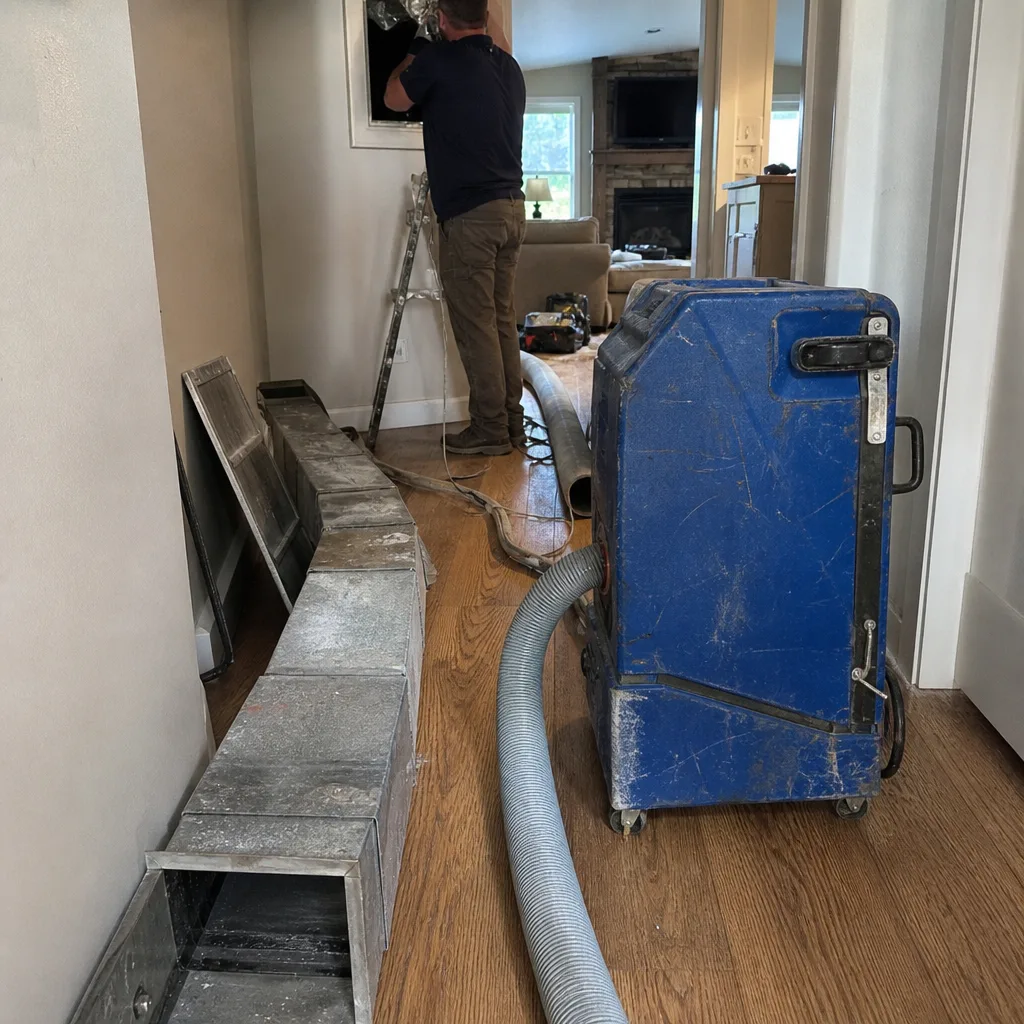 Before
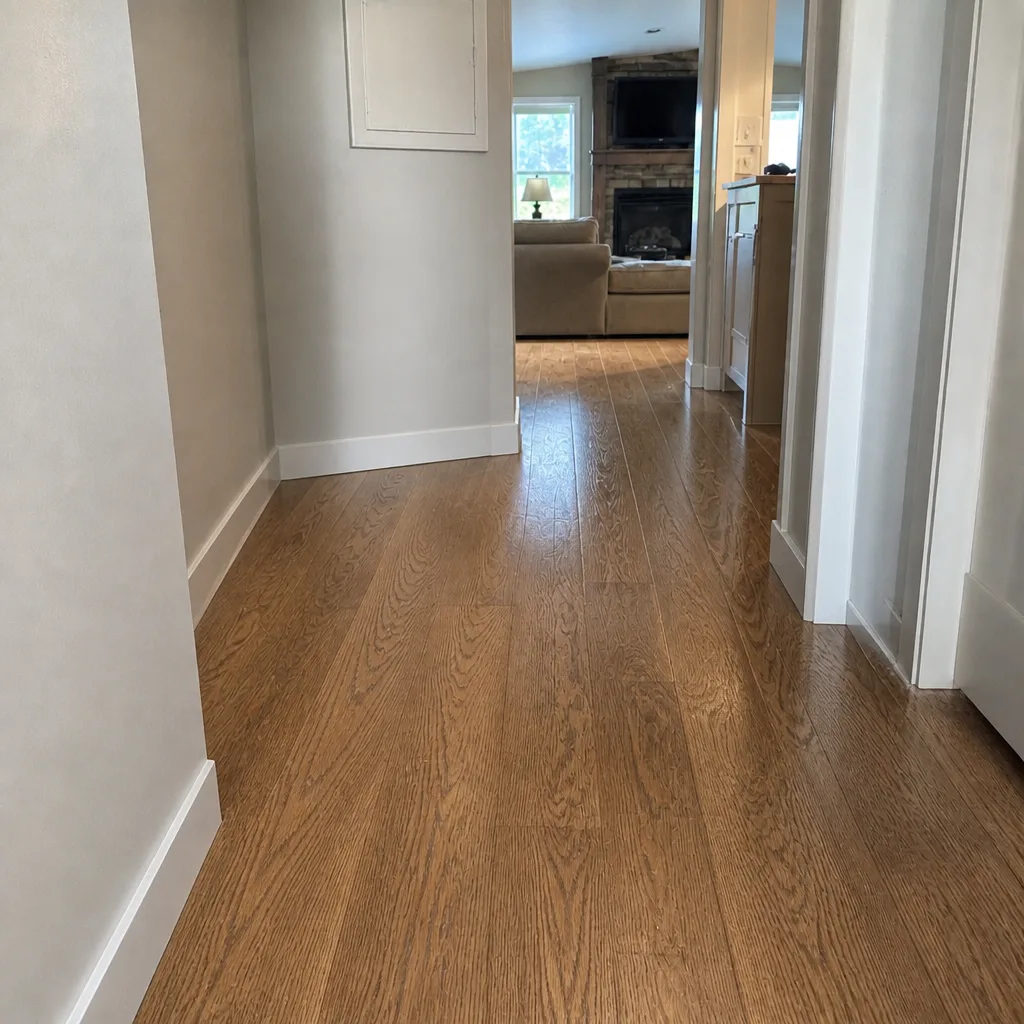 After
When to Call a Professional
Call a professional after any fire, flood, wildfire smoke event, or confirmed rodent infestation where the HVAC system was running or ductwork got wet. Also call if anyone in the home is experiencing allergy or asthma symptoms that correlate with the system running, if there’s a persistent musty odor at any register, or if a camera inspection at a previous appointment found debris that a routine clean didn’t resolve. The same goes for structural concerns – torn flex duct, gaps around floor registers, or chewed sections – because those need professional air duct cleaning plus duct repair and sealing rather than cleaning alone. Lake Stevens Air Duct Cleaning offers free estimates in Lake Stevens, so call (855) 726-7819 and we’ll walk through the event and set the scope.
Frequently Asked Questions
As soon as the fire department has released the property and the home is safe to occupy, typically within the first week. The priority is a full-system inspection first, because the scope depends on whether the HVAC was running during the event and which zones were affected. Cleaning can be scheduled after that inspection and, in multi-system properties, each system is assessed individually. Call (855) 726-7819 to book the inspection.
Not necessarily. If the system was off and windows were closed throughout the smoke event, contamination is usually limited to the filter and doesn’t require duct cleaning. The exception is when the system ran during peak smoke or a musty odor develops on startup, which suggests residual particulate in the ductwork. A camera inspection is the right first step, and it costs nothing for the estimate visit. Call (855) 726-7819 to set one up.
No, and it’s the wrong job for a shop vac. Rodent debris carries biological hazards, and loosening it without negative-pressure containment puts the particulate right back into the living space. Professional cleaning uses negative-air equipment to keep the working zone under vacuum so loosened debris leaves the system entirely. Call (855) 726-7819 to schedule a contained removal.
Post-event cleaning is priced per system, not per vent, and the written estimate sets the final price before any work starts. Cost depends on the number of duct runs, whether the air handler needs mechanical cleaning, and whether sanitizing or duct repair is part of the scope. We won’t quote a bait-and-switch number, so call (855) 726-7819 for a free estimate in Lake Stevens.
Often yes, when the event is a covered loss, but the claim depends on documentation. Pre-cleaning camera inspection photos, a written scope of work, and post-cleaning verification photos are the three categories insurers look for, and missing any of them is the most common reason a duct cleaning line item gets pushed back. We can work with your insurer on the documentation side. Call (855) 726-7819 to start the estimate.
You should get before-and-after camera photos of your own ducts, labeled by zone, plus a post-cleaning verification report. Skipping that step is exactly how bait-and-switch cleaning operations get away with a surface-vacuum job. We provide before-and-after photos of every run we clean, so you can see what changed. Call (855) 726-7819 to book an estimate with a photo record.
Cleaning removes debris and biological material from duct surfaces, and sanitizing addresses the remaining biological contaminants on those surfaces. In a flood response, both belong in the plan because moisture can leave microbial residue even after the physical debris is gone. Sanitizing is a separate service for that reason. Call (855) 726-7819 and we’ll set the scope based on the inspection.
Yes. After a wildfire smoke event, change the furnace filter immediately and again after the first month of normal operation, since the first filter load catches the settled particulate that gets pulled back into circulation. For long-term improvement, we install Honeywell and Aprilaire filter products matched to the HVAC system. Call (855) 726-7819 to talk through filter options.
The Bottom Line
After any event that put smoke, water, or rodents into the air – or into the ductwork – the question isn’t whether to clean, it’s which scopes are mandatory and which are precautionary. Mandatory cleaning means the HVAC was running during the event, water reached duct insulation, or pest activity is confirmed inside the ducts. Precautionary means the system was off and a camera inspection shows nothing. Documentation is what separates a paid claim from a denied one, and a sealed, intact system is what keeps the problem from coming back. If you’re not sure which side of that line your Lake Stevens home is on, get the inspection before you decide.
Call (855) 726-7819 for a free estimate. We answer 24/7. Fast dispatch from 7am to 7pm, Sunday through Friday. Our technicians have up to 10 years of experience assessing post-event duct systems across Lake Stevens, and we can work with your insurer on the documentation side. For dryer vent fire prevention, see our dryer vent cleaning page, and for the complete air pathway from return vents to supply registers, start with Lake Stevens Air Duct Cleaning.
Written by the team at Lake Stevens Air Duct Cleaning.