
Last updated November 25, 2026
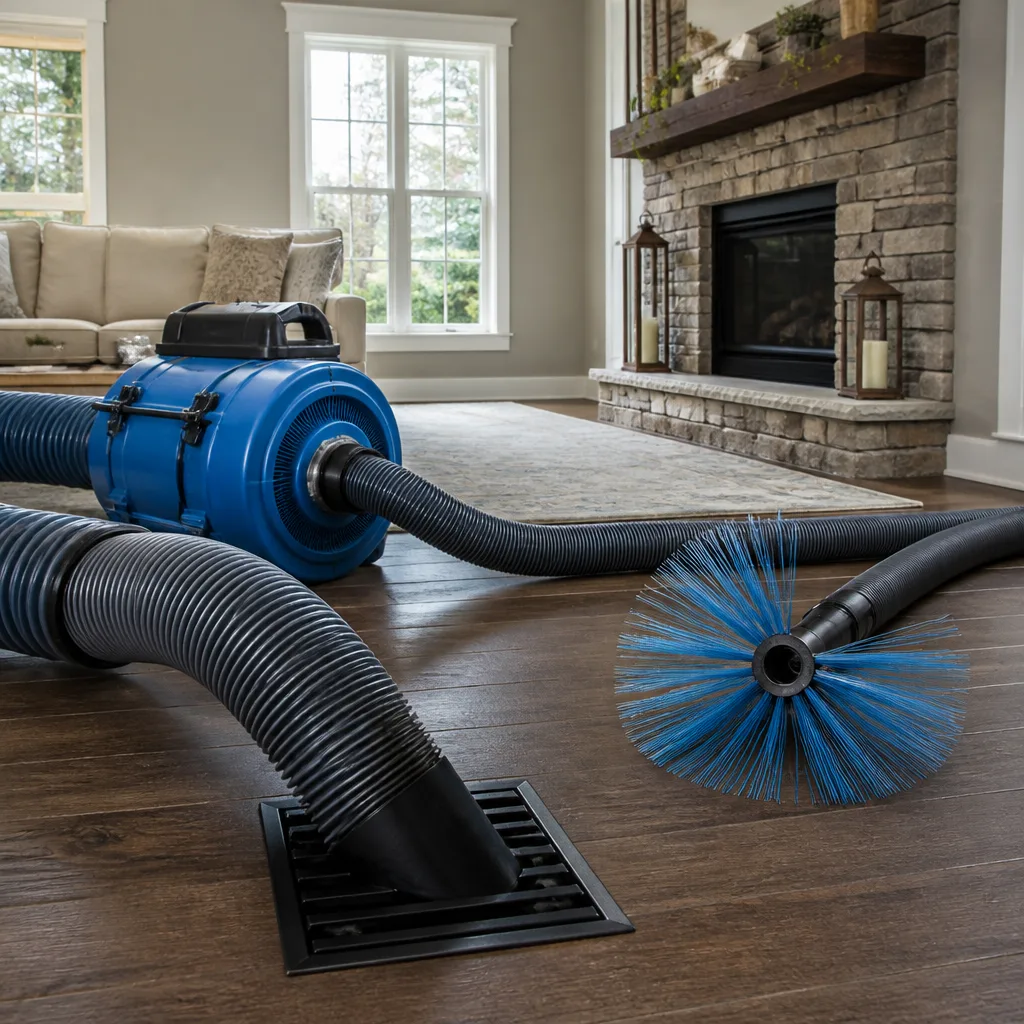 Whole-home duct cleaning
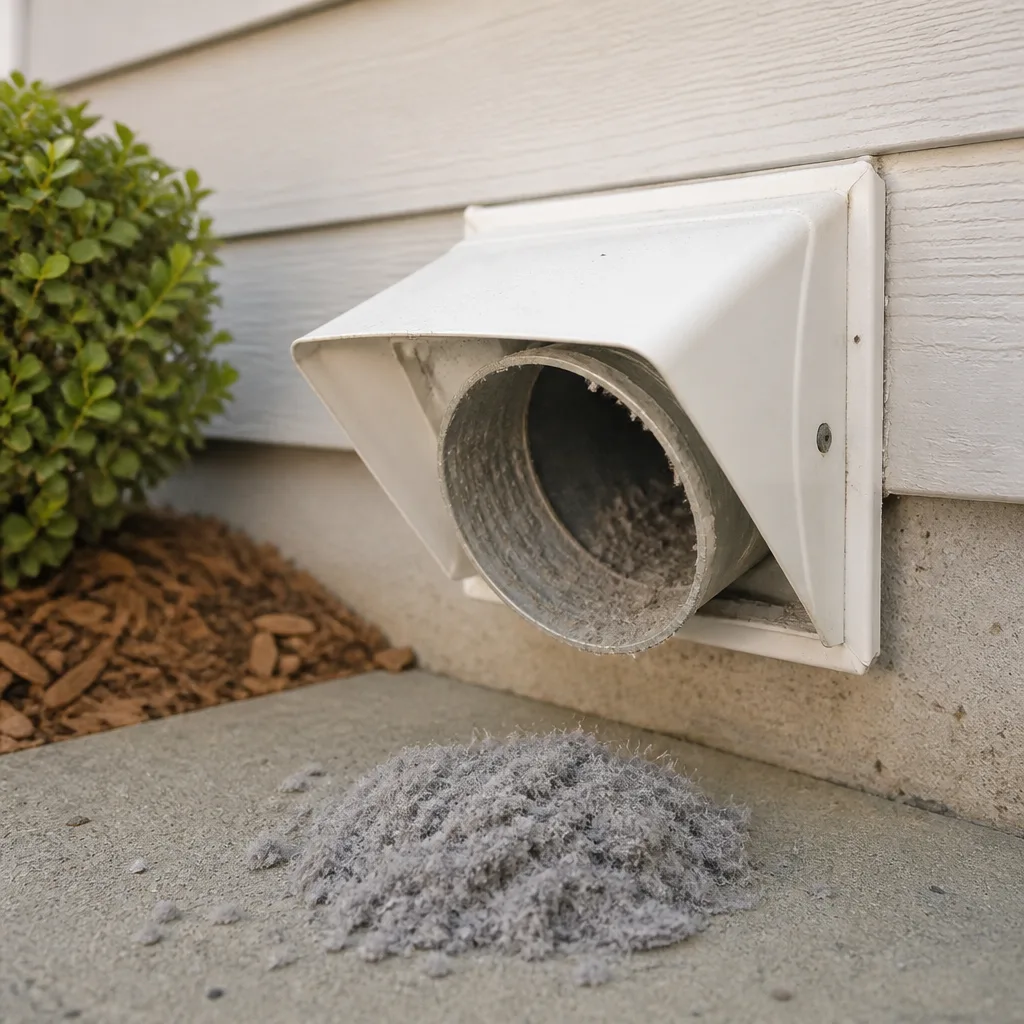 Dryer vent cleaning
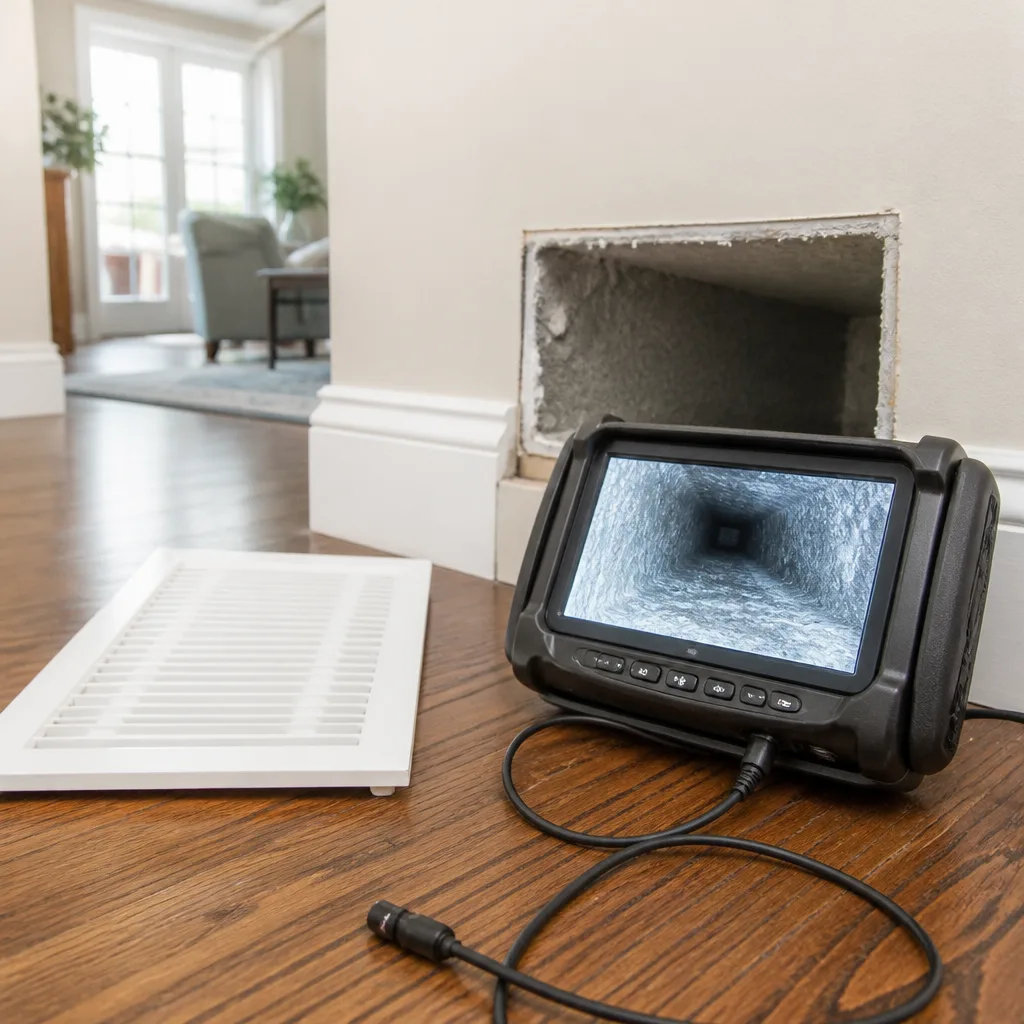 Camera inspection
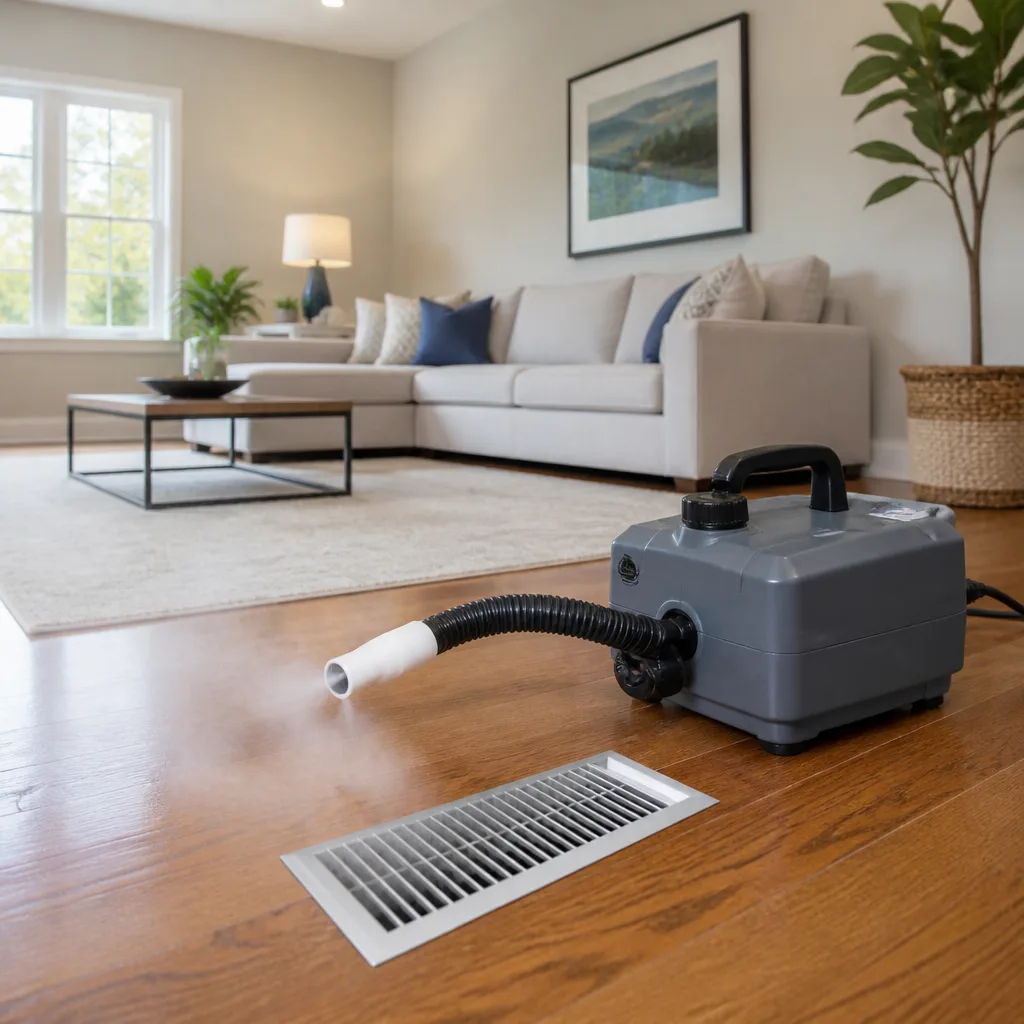 Sanitizing & deodorizing
Whole-system duct and dryer vent check with before-and-after photos - you see exactly what came out of your vents
That "$99 whole-house special" is a bait ad - the real number appears once they are in your hallway, or the "clean" is a shop-vac at the register. We photograph the inside of your ducts before and after instead.
Air Duct Cleaning Cost Breakdown: The Lake Stevens Homeowner’s Reference for 2026
Two quotes land in your inbox for the same house. One says $149. The other says $650. Both claim to clean every duct in the home, and both sound reasonable on the phone. They are almost never the same job. In our experience across Lake Stevens, the cheaper quote usually covers a contact vacuum at the visible registers only, while the higher one includes negative pressure source removal, the method that actually pulls contamination out of the duct lining instead of stirring it into the room. This guide gives you the line-item vocabulary to compare quotes on equal terms, understand what drives real price variation in Snohomish County, and spot the add-ons worth paying for.
Quick Answer
Air duct cleaning in Lake Stevens typically runs $380 to $750 for a whole-home system in 2026, with most single-family homes landing between $450 and $600. The price should be quoted as one flat rate per system, not per vent, and it should be confirmed in writing before work starts. Anything under roughly $300 for a full house is usually a register-only vacuum, not a source-removal cleaning.
Styles & brands we work with
- Whole-home duct cleaning
- Dryer vent cleaning
- Camera inspection
- Sanitizing & deodorizing
Table of Contents
- Per-Vent Pricing vs. Whole-System Flat Rate
- What Actually Drives Legitimate Cost Variation
- How to Read a Quote Line by Line
- 2026 Price Benchmarks for Lake Stevens and Snohomish County
- Add-On Services With Real Value vs. Marginal Upsells
- Why Lake Stevens Climate and Housing Affect the Work
- What a Proper Cleaning Actually Involves
- Why Some Quotes Are So Much Cheaper
Per-Vent Pricing vs. Whole-System Flat Rate
Per-vent pricing means the technician charges for each register they clean. It sounds fair and transparent, and that’s the trap. The model rewards the technician for counting vents quickly and moving fast, because every additional minute spent on a single vent cuts into the margin. It also creates an awkward incentive at the end of the visit: a technician who finds two more vents than the quote accounted for now has a reason to bill you more on the spot.
A whole-system flat rate works the opposite way. The price is set by the size and complexity of the system, agreed before anyone arrives, and it doesn’t change because the technician discovered a return trunk they didn’t see on the first visit. We prefer this model because it aligns the incentive with the work. The technician’s job is to clean the system thoroughly, not to hurry through a fixed number of vents.
At Lake Stevens Air Duct Cleaning, every job is priced as one flat rate per system and confirmed by written estimate before work begins. No per-vent billing. No surprises once the equipment is in the driveway.
- Per-vent model: price scales with vent count, rewards speed, invites add-on charges mid-job.
- Whole-system model: one price for the full system, includes returns, trunks, and main runs, set in writing before work starts.
- Hybrid model (common and worth scrutinizing): a low base price per vent plus separate charges for “main trunk lines” or “the furnace,” which often pushes the final invoice well above the first quote.
When you compare quotes in Lake Stevens, ask one question first: “Is this price for the entire system, including the main trunk lines and the return side?” If the answer is unclear, the quote isn’t finished.
What Actually Drives Legitimate Cost Variation
Not every price difference is a red flag. Five factors genuinely change what a proper job costs, and none of them has anything to do with whether the technician is trying to upsell you.
- Square footage and system size. A 1,400-square-foot ranch has a shorter, simpler duct layout than a 3,200-square-foot two-story. More linear feet of duct means more time, more equipment, and more filter media.
- Number of HVAC zones. Homes with separate zone dampers and multiple air handlers have effectively two or more systems to clean. Each zone is its own scope.
- Duct material. Flexible ductwork requires gentler rotary tools than rigid sheet metal. Fiberboard duct, common in older Snohomish County homes, can’t be scrubbed aggressively without damaging the interior lining, and often needs a different cleaning approach altogether.
- Crawl space and attic access. Many Lake Stevens homes sit on crawl spaces rather than basements, and some main trunk runs pass through unconditioned attic space. Limited access means more time setting up containment and more careful movement through tight areas.
- Contamination level. A system that has never been cleaned, or one connected to a recent remodel, takes longer than a system that was serviced a few years ago. Heavy debris in the trunk lines means more passes with negative pressure equipment.
If two quotes differ by 20 to 30 percent and both include negative pressure source removal, that’s normal variation from these factors. If they differ by 300 percent, the scope is almost certainly different, even if the language on the invoice sounds identical.
How to Read a Quote Line by Line
A trustworthy air duct cleaning quote names the equipment, names the method, and states what’s included. Here’s exactly what to look for on each line.
Look for negative pressure and HEPA extraction
Negative pressure means the cleaning equipment creates a vacuum inside the duct system so dislodged debris gets pulled toward the collection unit rather than pushed into your living room. Professional-grade equipment from brands like Nikro and Abatement Technologies is built for exactly this. The quote should say “negative pressure” or “HEPA extraction” explicitly. If it says “high-powered vacuum,” ask what type and where the exhaust goes.
Look for source removal, not just register cleaning
Source removal means the technician uses rotary agitation to physically dislodge contaminants from the duct lining, then extracts them under negative pressure. The phrase “rotary brush” or “rotary agitation” in the quote is a good sign. Rotobrush rotary systems are the industry standard for this. If the quote mentions only “blowing out” or “vacuuming at vents,” you’re looking at a surface-level clean.
Look for camera inspection, or ask if it’s assumed
Some companies include a pre- and post-cleaning camera inspection; others assume you’ll take their word for it. Ask directly. If they can’t show you before-and-after photos of your own ducts, that’s a signal worth noting.
Look for what’s excluded
A good quote lists exclusions. Examples: “dryer vent cleaning is not included in this price,” “sanitizing is an add-on service,” “duct sealing quoted separately after inspection.” A quote that promises everything for one number with no exclusions listed is either underpriced or overpromising.
2026 Price Benchmarks for Lake Stevens and Snohomish County
The ranges below are typical for the Lake Stevens and Snohomish County market in 2026, for whole-system work that includes negative pressure source removal, the main trunk lines, and the return side. Your written estimate sets the final price.
- Small home (under 1,500 sq ft), single system: $380 to $480
- Mid-size home (1,500 to 2,500 sq ft), single system: $450 to $600
- Larger home (2,500 to 3,500 sq ft) or multi-zone system: $600 to $780
- Very large home or multi-system property: $780 and up, quoted on inspection
Dryer vent cleaning is typically quoted as a separate line, often in the $120 to $200 range for a standard residential vent run, more if the vent path is long or has multiple elbows. Duct sanitizing as an add-on usually runs $150 to $300 depending on system size. Duct repair and sealing is quoted after inspection, since the scope depends entirely on what’s found.
A few Lake Stevens neighborhoods deserve a note here. Homes in the older sections near downtown and along the lake often have ductwork that predates modern flex duct standards, which can affect how the cleaning is approached. Newer subdivisions on the east side of town tend to have tighter, more accessible systems. Neither automatically means a higher or lower price, but both are worth mentioning when you call for an estimate.
Add-On Services With Real Value vs. Marginal Upsells
Some add-ons solve real problems. Others exist mainly to raise the invoice. Here’s how to tell the difference.
Worth paying for
- Dryer vent cleaning. This is a legitimate, distinct service with real safety implications. Lint accumulation in a dryer vent is a fire hazard. If your dryer takes longer than it used to, or the outside vent flap doesn’t open fully, this is money well spent. dryer vent cleaning should be quoted as its own line item.
- Duct sanitizing when there’s a reason. If you’ve had a mold issue, a pest problem, or persistent musty odors from the vents, a sanitizing treatment addresses biological contaminants beyond debris. If your ducts are simply dusty, sanitizing adds limited value.
- Duct repair and sealing when inspection finds gaps. Leaky ducts let conditioned air escape and pull unfiltered air in from crawl spaces or attics. Sealing fixes the structural reason air quality degrades. Most duct cleaners don’t offer this; we do, and it’s the difference between a clean system and a system that stays clean.
Verify before you buy
- Duct coating sprays. Some companies offer a spray-on coating marketed as sealing the duct interior. The concept is real in some applications, but the product quality and application method vary widely. Ask what product is used, whether it’s independently verified, and what happens if it fails. If the technician can’t answer those questions, decline.
- “Antimicrobial fogging” without a diagnosed problem. If there’s no evidence of microbial growth, this is treatment without a diagnosis. Ask to see the camera evidence first.
- UV lights and whole-home air purifiers. These can be worthwhile, but they’re separate air quality products, not part of a cleaning. HVAC cleaning and equipment upgrades should be discussed as distinct decisions.
A useful test: ask the technician to explain why the add-on matters for your specific system. A good answer includes what they saw on camera or with a moisture meter. A bad answer is “it’s recommended for all homes.”
Why Lake Stevens Climate and Housing Affect the Work
Western Washington’s damp, mild climate has a specific effect on ductwork. Extended humidity through fall and winter means condensation can form inside ducts that run through unconditioned spaces, particularly in crawl spaces and attics. That moisture creates an environment where mold spores and dust mites thrive. It’s a different problem than you’d see in a dry climate, where dust and debris dominate.
The housing stock matters too. Lake Stevens has a mix of older homes with rigid sheet metal and fiberboard ductwork and newer construction with flexible duct. Fiberboard and flex duct both trap moisture more readily than bare metal. If your home was built before the 1990s and has never had the ducts professionally serviced, there’s a reasonable chance the interior lining has absorbed years of moisture and debris.
That’s one reason our approach treats air quality and sanitizing as a distinct step rather than an optional afterthought. We use professional-grade equipment, including Abatement Technologies filtration systems, the same equipment class trusted in professional mold and hazardous-material remediation. The goal isn’t just removing visible debris. It’s addressing what your HVAC system moves every day, including the biological contaminants that aren’t visible at the register.
If you’ve noticed musty odors when the heat first kicks on in October, or family members with allergies that seem worse indoors, that’s a sign worth taking seriously. A proper cleaning with camera inspection answers the question of what’s actually in the system.
What a Proper Cleaning Actually Involves
Understanding the workflow helps you evaluate a quote. Here’s how a full-system cleaning should proceed, step by step.
- Pre-cleaning inspection. The technician inspects the system, checks access points, and in some cases runs a camera through the main trunk to document existing conditions. This is also when duct damage or disconnected runs are identified.
- Negative pressure setup. A high-capacity HEPA vacuum is connected to the system to create negative pressure. This is what prevents debris from recirculating into the home. The equipment matters here: consumer-grade shop vacuums don’t have the airflow or filtration to do this properly.
- Rotary agitation of each run. Using a rotary brush system, the technician works through each branch run and the main trunk, physically dislodging debris from the duct lining. This is the step that distinguishes source removal from a surface clean.
- Register and return cleaning. Supply registers and return grilles are removed and cleaned, and the boots behind them are agitated and extracted.
- Sanitizing, if included. A sanitizing treatment is applied to address biological contaminants. This step is optional but worth considering if moisture or musty odors have been an issue.
- Post-cleaning camera inspection. The technician documents the result with photos or video. Ask to see these. A company that can’t show you before-and-after images of your own ducts is asking you to take their word for it.
This process typically takes two to four hours for a mid-size single-family home in Lake Stevens, depending on system complexity and how accessible the runs are. A register-only vacuum takes much less time, which is one clue when a suspiciously cheap quote finishes in 45 minutes.
Why Some Quotes Are So Much Cheaper
The $149 whole-home quote usually covers one of three things: a contact vacuum at the visible registers only, a “blow-out” using compressed air that pushes debris through the system without capturing it, or a bait-and-switch where the technician arrives, points out “severe contamination,” and quotes a much higher price on site.
None of those outcomes serves you. A register-only vacuum doesn’t touch the main trunk lines, where most contamination accumulates. A blow-out can actually worsen indoor air quality by spreading debris through the living space. And a bait-and-switch wastes your time and leaves you either overpaying or sending the technician away.
The fix is simple: ask two questions before booking. “Does this price include negative pressure source removal with rotary agitation of the main trunk lines?” and “Is this the price I’ll pay, in writing, with no on-site increases?” If either answer is vague, keep looking. For a fuller look at what proper air duct cleaning includes, we’ve laid out the method in detail.
We use Rotobrush rotary brush systems and Nikro negative-air equipment because those tools do the job the way it should be done. The price reflects that. It’s the same price we quote before we arrive and the same price on the invoice when we leave.
Common Mistakes to Avoid
- Choosing on price alone without comparing scope. A $149 quote and a $550 quote may not cover the same work. If you compare only the number, you may end up paying $149 for a service that doesn’t solve the problem, then paying again for a proper cleaning. Compare the line items, not the total.
- Believing a “whole-home” claim without asking what’s included. In Lake Stevens, many homes have main trunk runs in the crawl space or attic. Make sure “whole-home” includes those runs, not just the registers your technician can see from a standing position.
- Skipping dryer vent cleaning because it seems minor. Lint in a dryer vent is a fire risk, not just an efficiency issue. It’s also a distinct service from duct cleaning and should be on the quote if you haven’t had it done in a few years.
- Accepting a duct coating spray without verified product documentation. If you’re paying for a protective coating inside your ducts, ask what’s in it, who verified its performance, and what the warranty covers. If the technician can’t answer, it’s not worth the upcharge.
- Not asking for before-and-after photos. Without visual documentation, you have no way to know what was actually removed or how much. A reputable company should show you the system before and after, not just tell you it was dirty.
- Hiring a company that can’t inspect for duct damage. If gaps, disconnected runs, or deteriorated seals are found, the cleaning itself is only half the fix. Choose a provider that can also assess and repair duct integrity.
- Assuming the lowest quote is the honest one. In this trade, the honest price is usually the one with exclusions listed and equipment named. The too-good-to-be-true quote tends to grow once the technician is on site.
See the difference
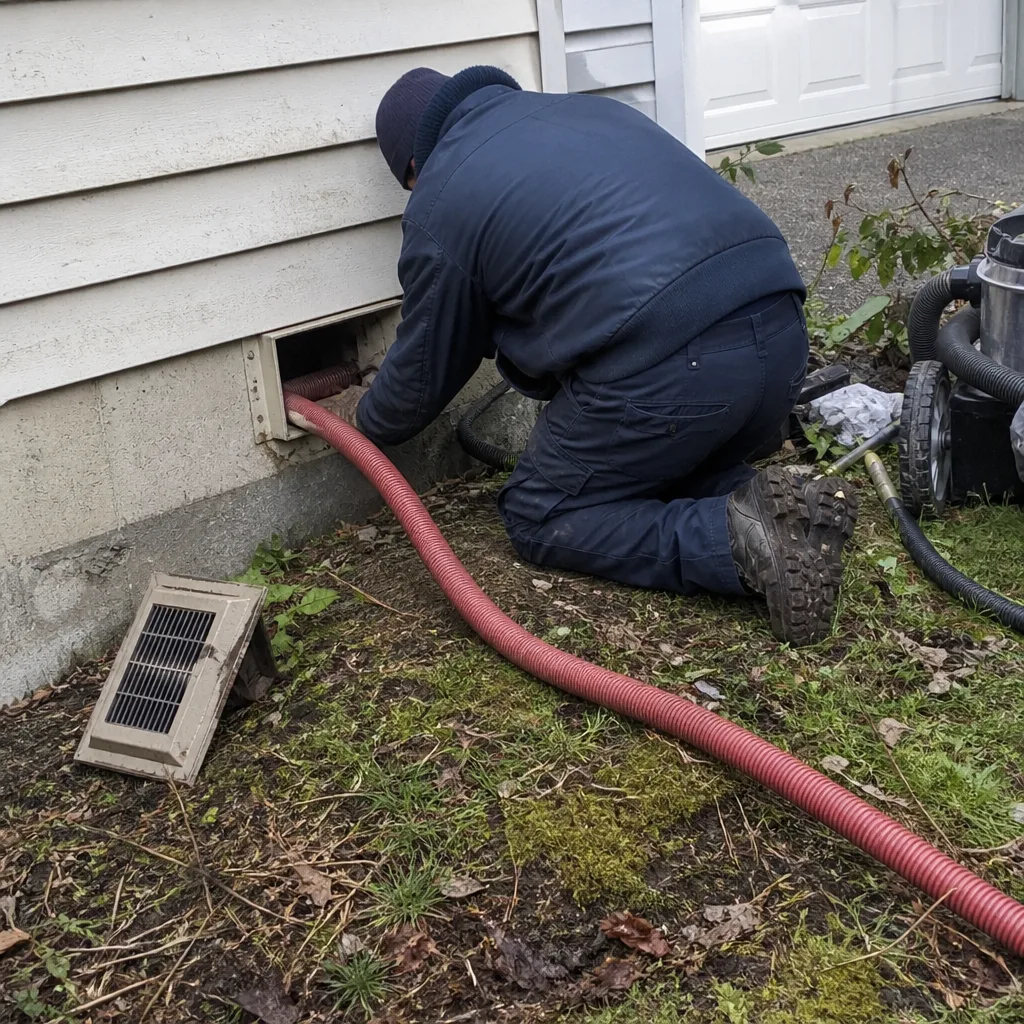 Before
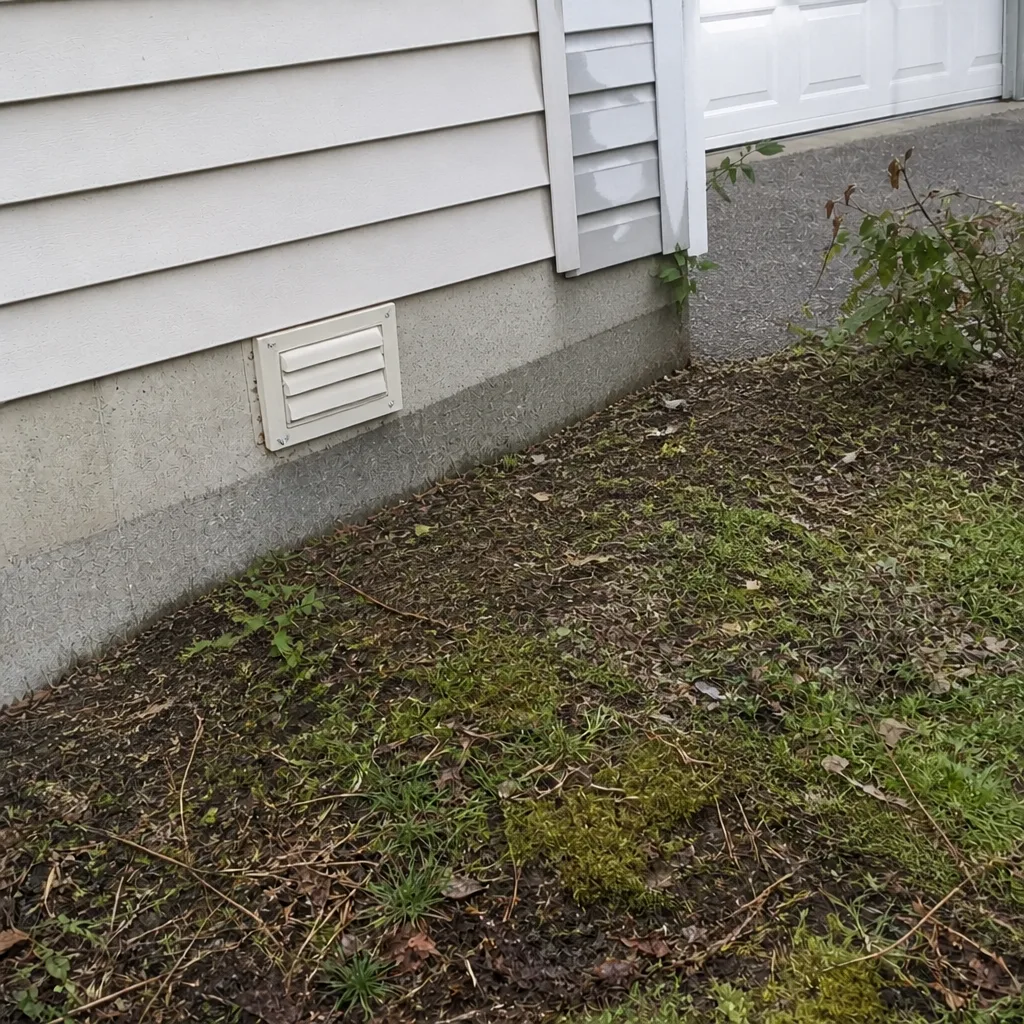 After
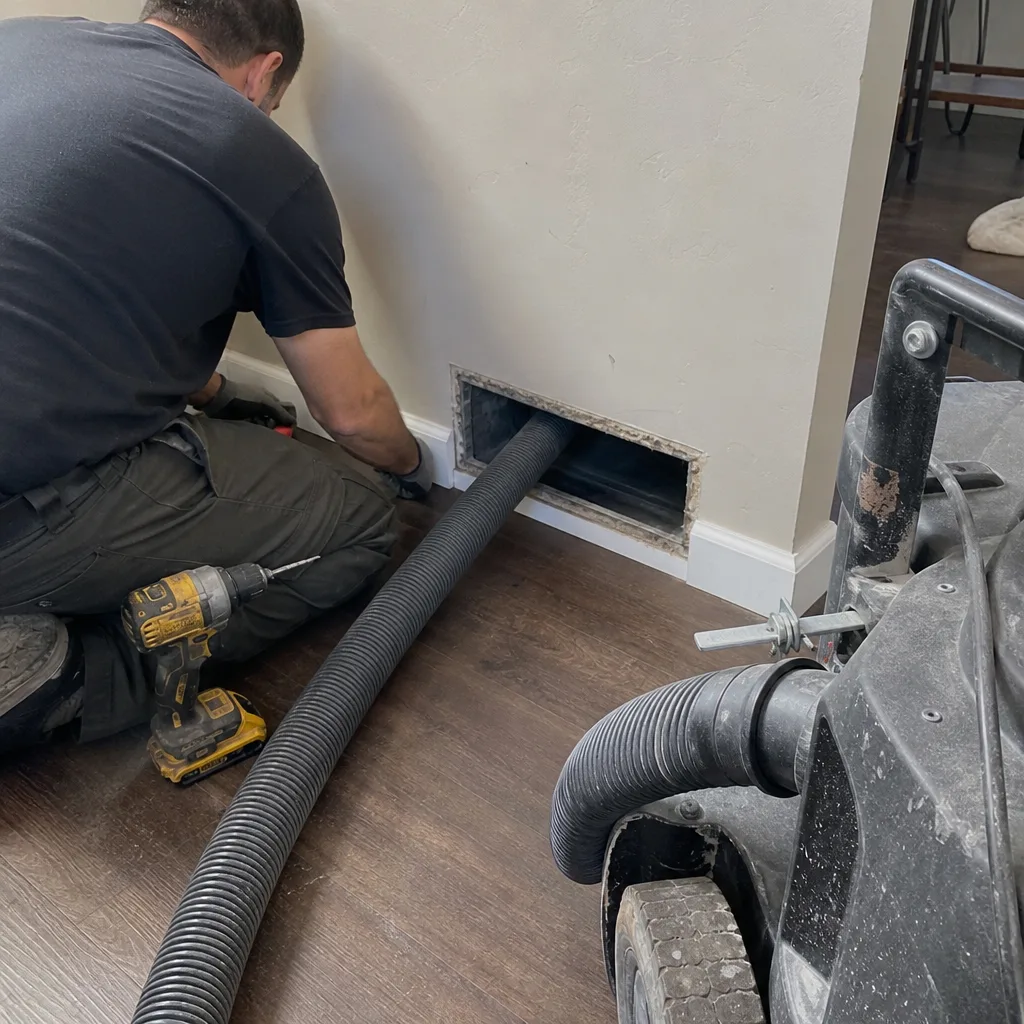 Before
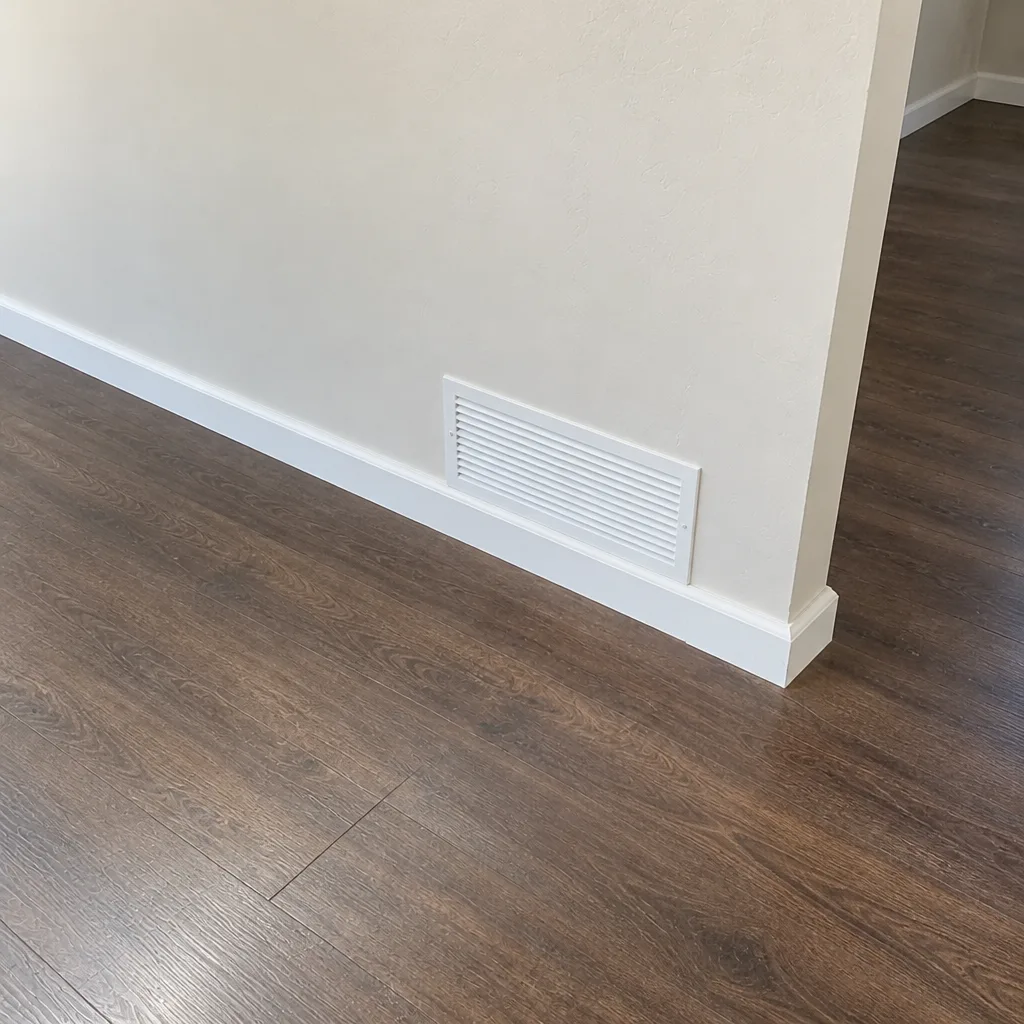 After
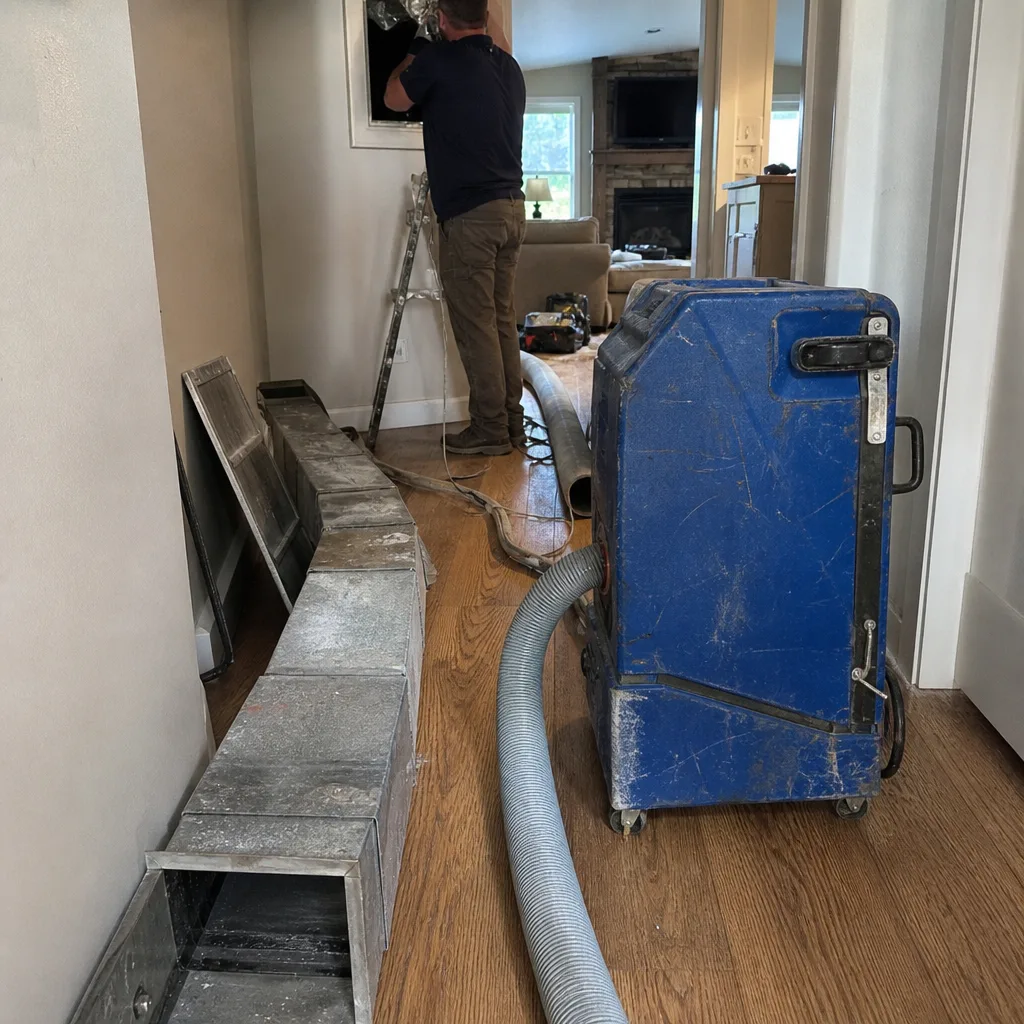 Before
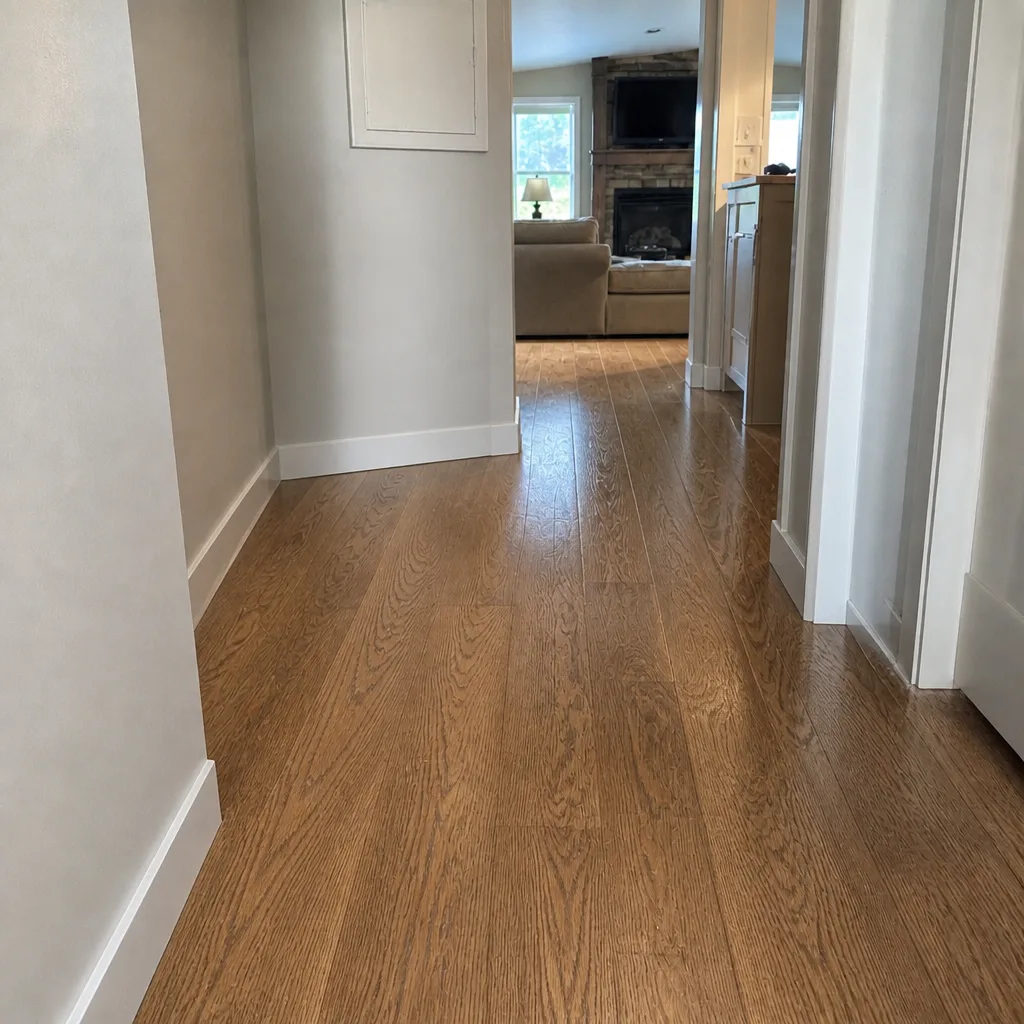 After
When to Call a Professional
Call a professional when you notice musty odors from the vents, visible dust puffs when the system starts, allergy symptoms that worsen indoors, or a system that has never been cleaned in a home you’ve recently moved into. If you’re remodeling, seal off the duct system before demolition or plan a cleaning afterward. If you have a dryer that’s taking longer to dry clothes, get the vent checked. And if a prior cleaning company couldn’t tell you what equipment they used, a proper inspection is worth doing.
Lake Stevens Air Duct Cleaning offers free estimates in Lake Stevens. Our technicians have up to 10 years of experience, and we use professional-grade equipment from Rotobrush, Nikro, and Abatement Technologies. We answer 24/7, with fast dispatch from 7am to 7pm, Sunday through Friday. Call (855) 726-7819 for a free estimate.
Frequently Asked Questions
Whole-home air duct cleaning in Lake Stevens typically costs $450 to $600 for most single-family homes in 2026, with larger or multi-zone homes running $600 to $780. The price should include negative pressure source removal of the main trunk lines and the return side, quoted as one flat rate per system. Call (855) 726-7819 for an exact quote on your home, estimates are free.
Cheap quotes usually cover a different scope of work: a contact vacuum at the registers only, without negative pressure source removal of the main trunk lines. Some low quotes are bait-and-switch pricing that grows once the technician is on site. The way to protect yourself is to ask whether the quote includes negative pressure equipment, rotary agitation of the trunk lines, and a post-cleaning camera inspection. Call (855) 726-7819 and we’ll walk you through what a full-system cleaning includes for your home.
Ask for before-and-after photos of your own ducts, not stock images. A proper cleaning includes a post-cleaning camera inspection that documents the result. At Lake Stevens Air Duct Cleaning, every job is documented with before-and-after photos of your system. If a provider can’t show you visual evidence, that’s a red flag worth taking seriously.
Most homes benefit from a professional cleaning every three to five years if the system is well sealed, and more often if you have pets, allergies, recent remodeling, or visible contamination at the registers. Homes in Lake Stevens with older ductwork or crawl-space trunk runs may benefit from an inspection sooner, since moisture in those areas can accelerate buildup. Call (855) 726-7819 for a free assessment of whether your system needs cleaning now.
A whole-system flat rate is better for the homeowner because it removes the incentive to rush through vents or add charges mid-job. Per-vent pricing rewards speed, not thoroughness. We quote one flat price per system, confirmed in writing before work begins, so the price doesn’t change based on what the technician finds on arrival.
Yes, in a specific way. Western Washington’s damp conditions mean moisture can collect in ducts that run through crawl spaces and attics, creating a better environment for mold spores and dust mites than you’d see in a dry climate. If your system has never been inspected, a camera check can tell you whether moisture has affected the interior lining. Call (855) 726-7819 for a free estimate that includes addressing moisture-related contamination.
The Bottom Line
Air duct cleaning costs in Lake Stevens vary by a factor of five or more between providers in 2026, but the price gap almost never reflects the same work. A quote includes negative pressure equipment or it doesn’t. It covers the main trunk lines or it doesn’t. It’s a flat rate agreed in writing or it’s a number that can grow. The price is set by the written estimate, so the written estimate is where you should focus your attention. Compare line items, ask for post-cleaning photos, and insist on source removal. Then the cheapest quote and the honest quote won’t be so hard to tell apart.
Call (855) 726-7819 for a free estimate. We answer 24/7. Fast dispatch from 7am to 7pm, Sunday through Friday.
Written by the team at Lake Stevens Air Duct Cleaning.