
Last updated November 25, 2026
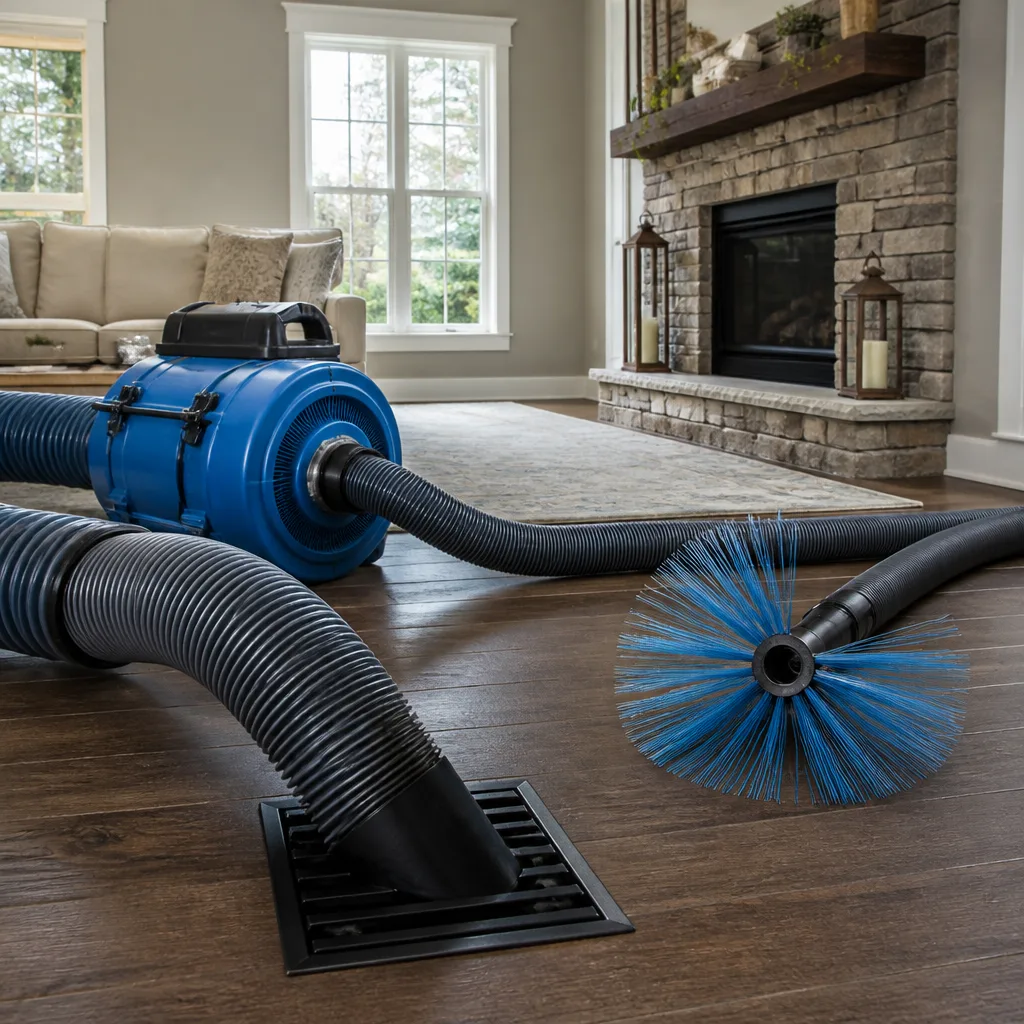 Whole-home duct cleaning
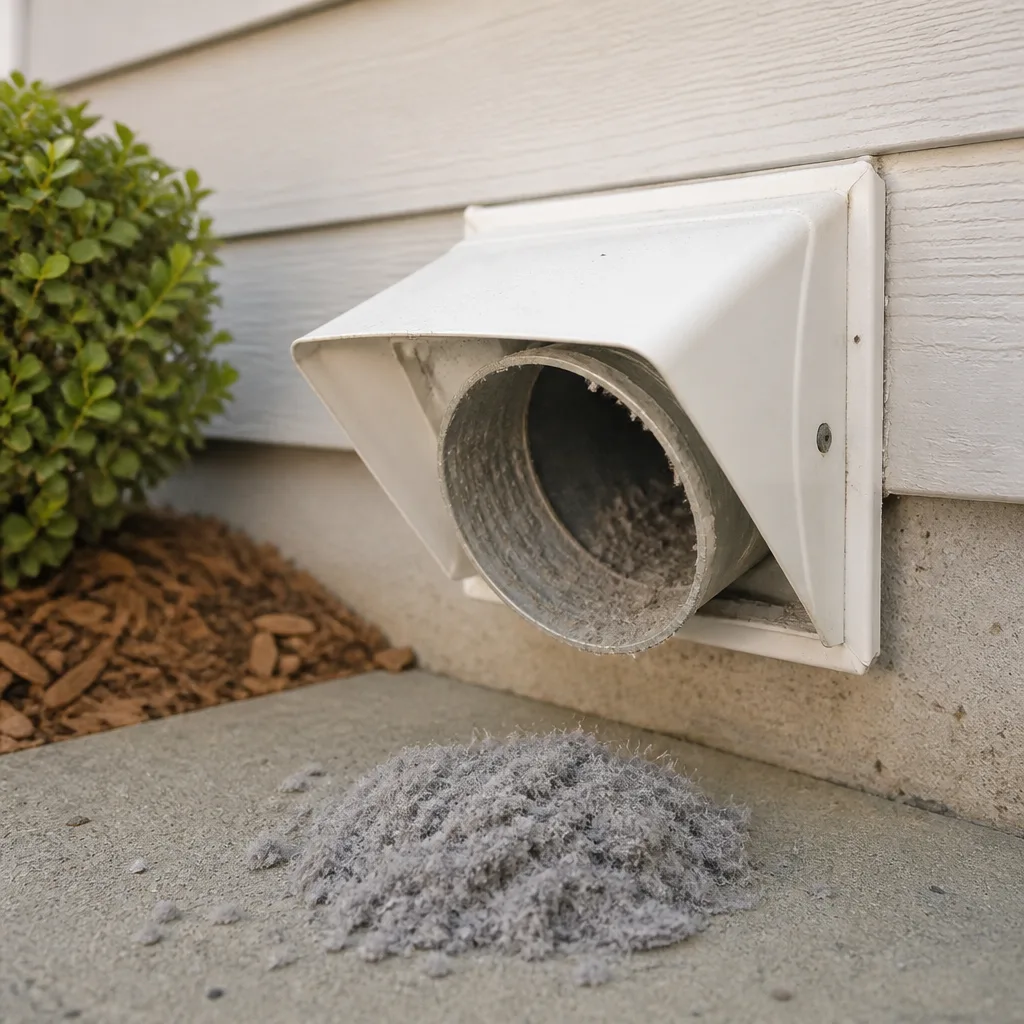 Dryer vent cleaning
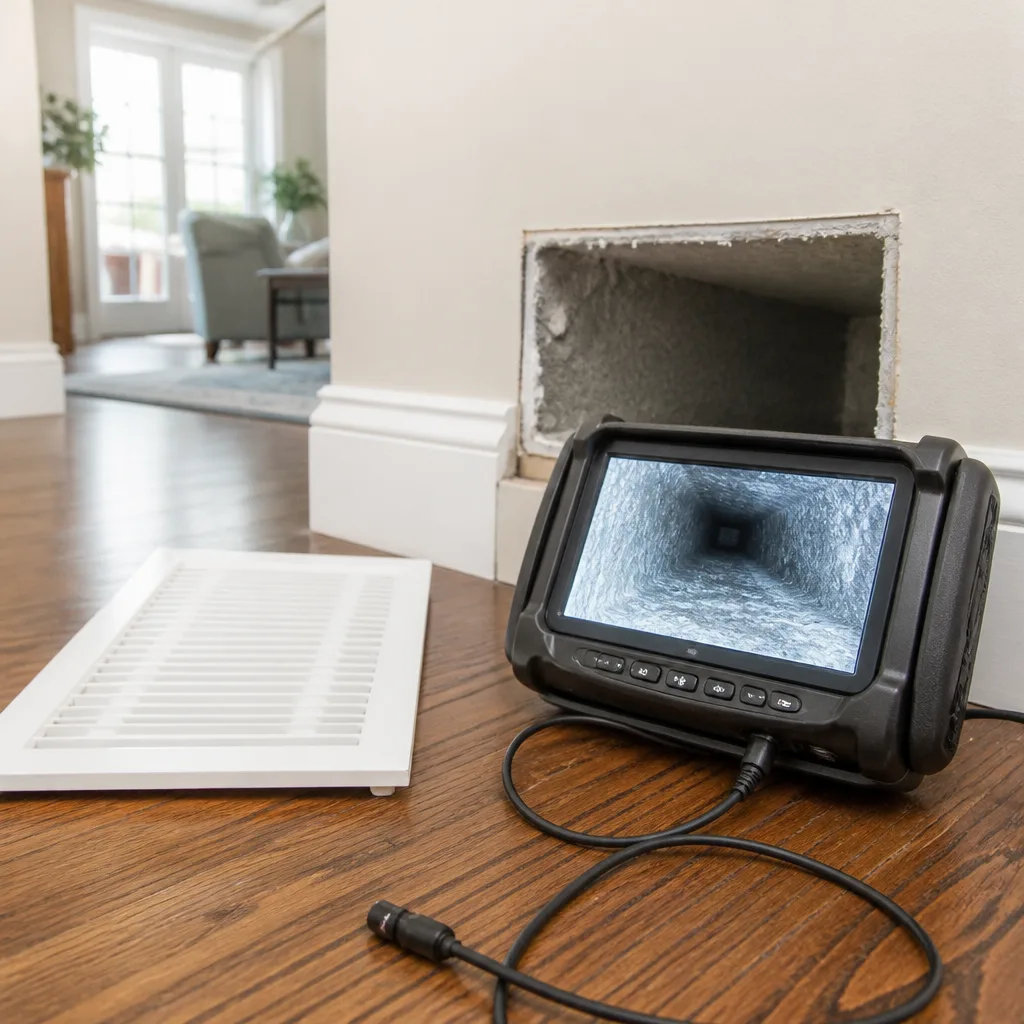 Camera inspection
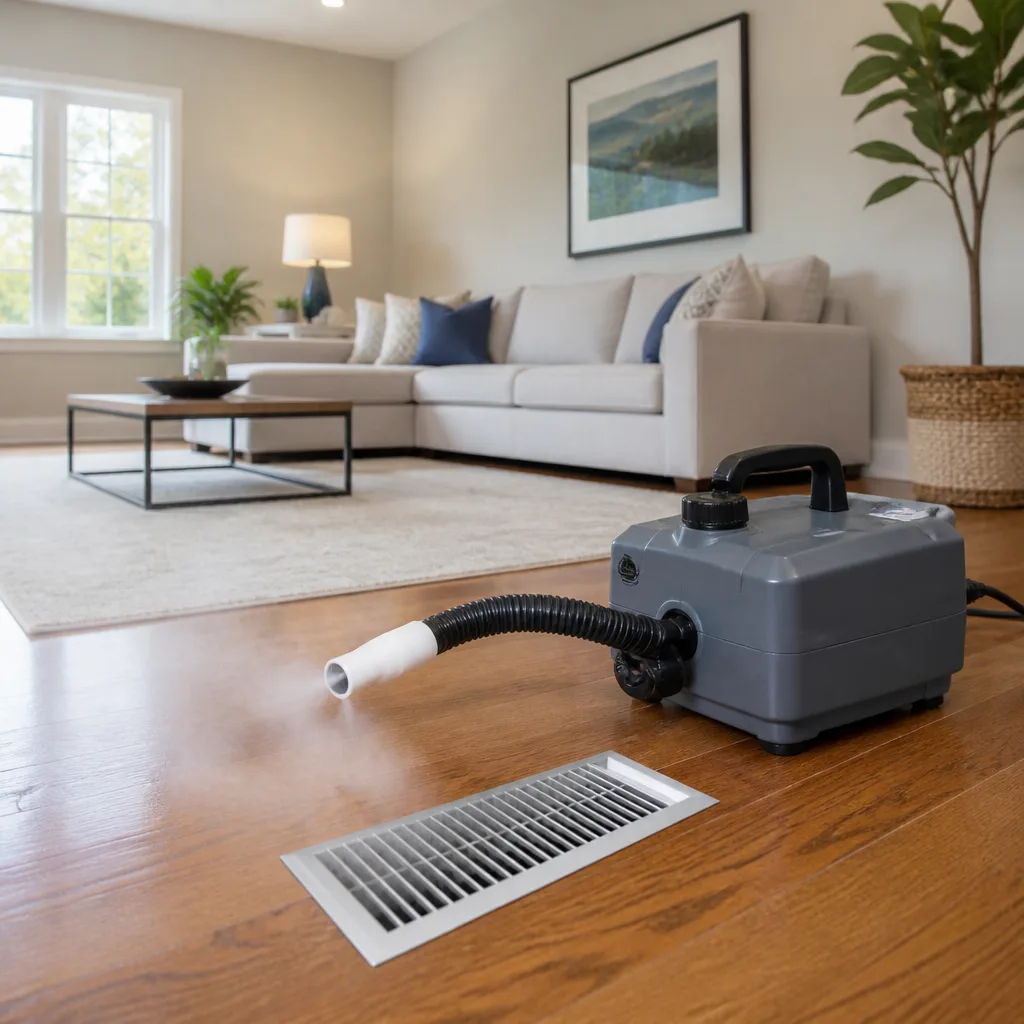 Sanitizing & deodorizing
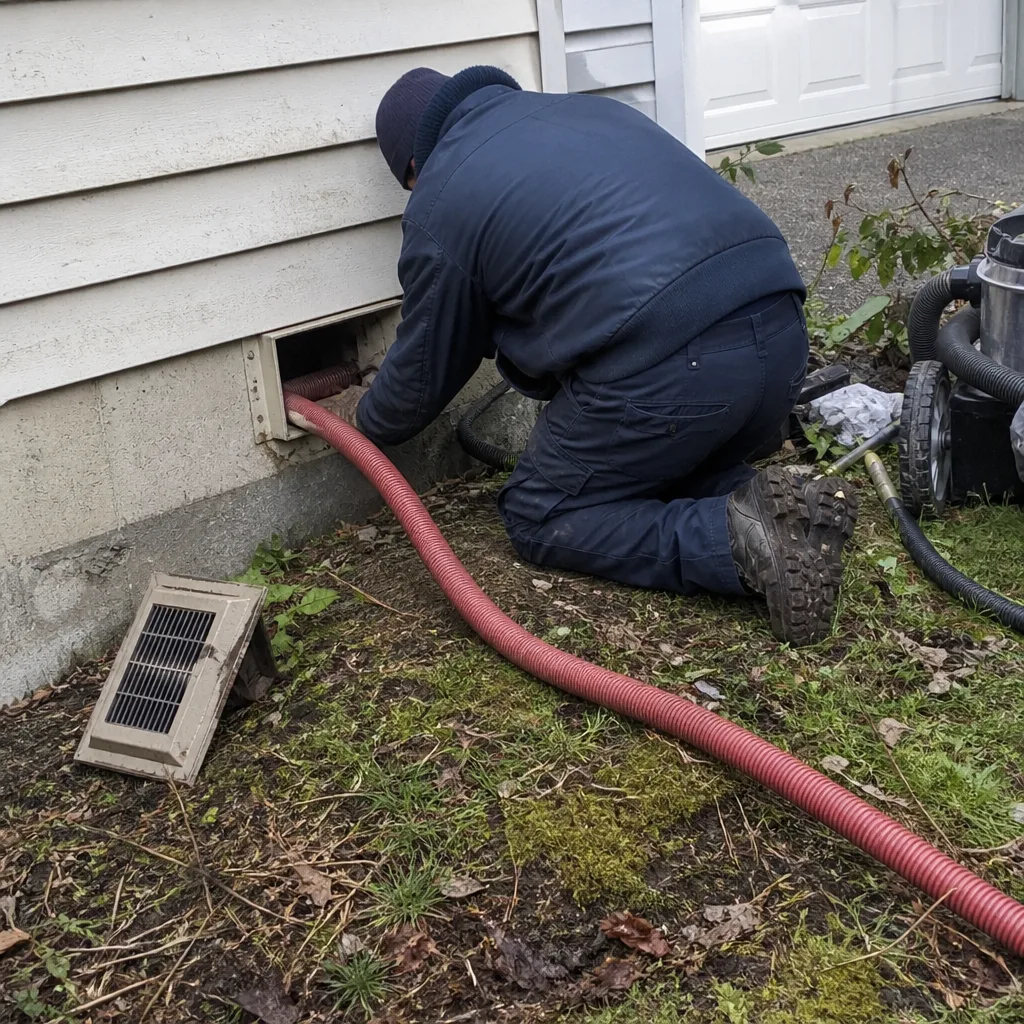
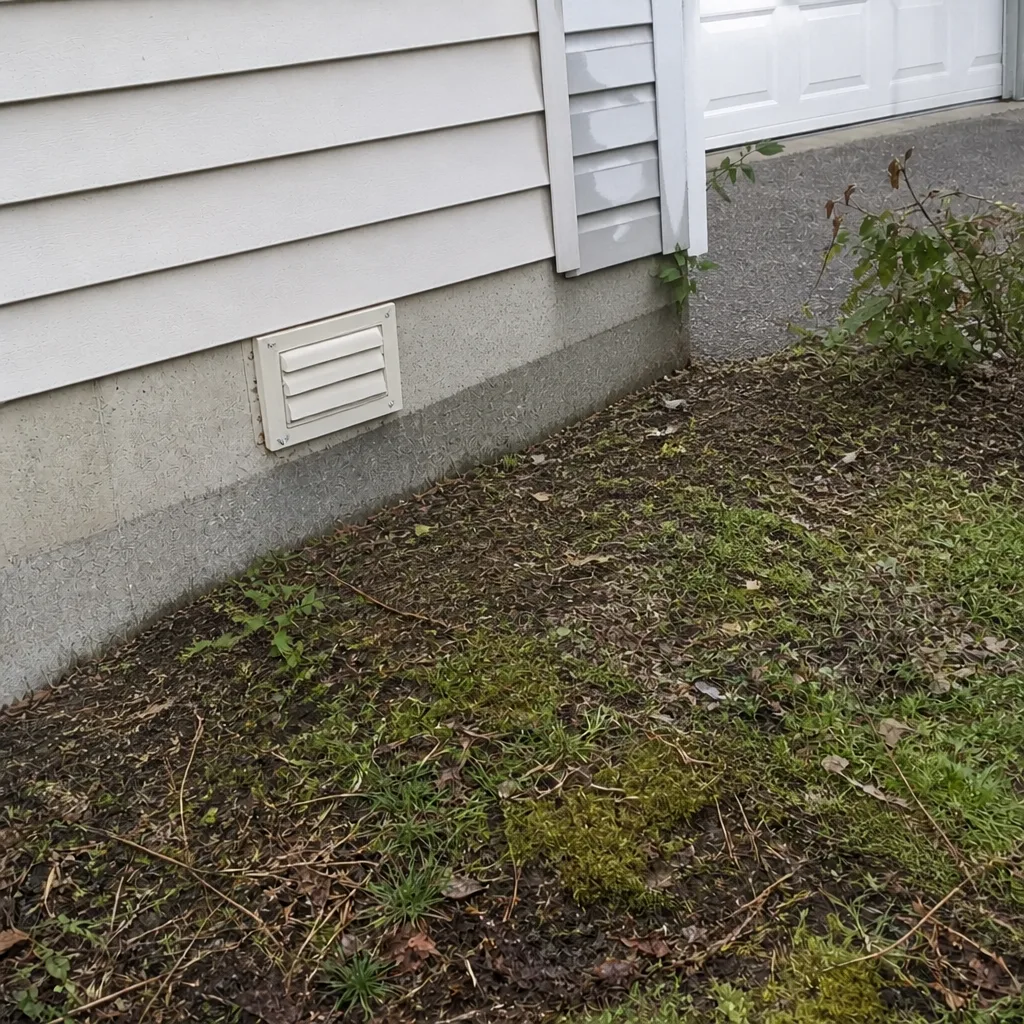
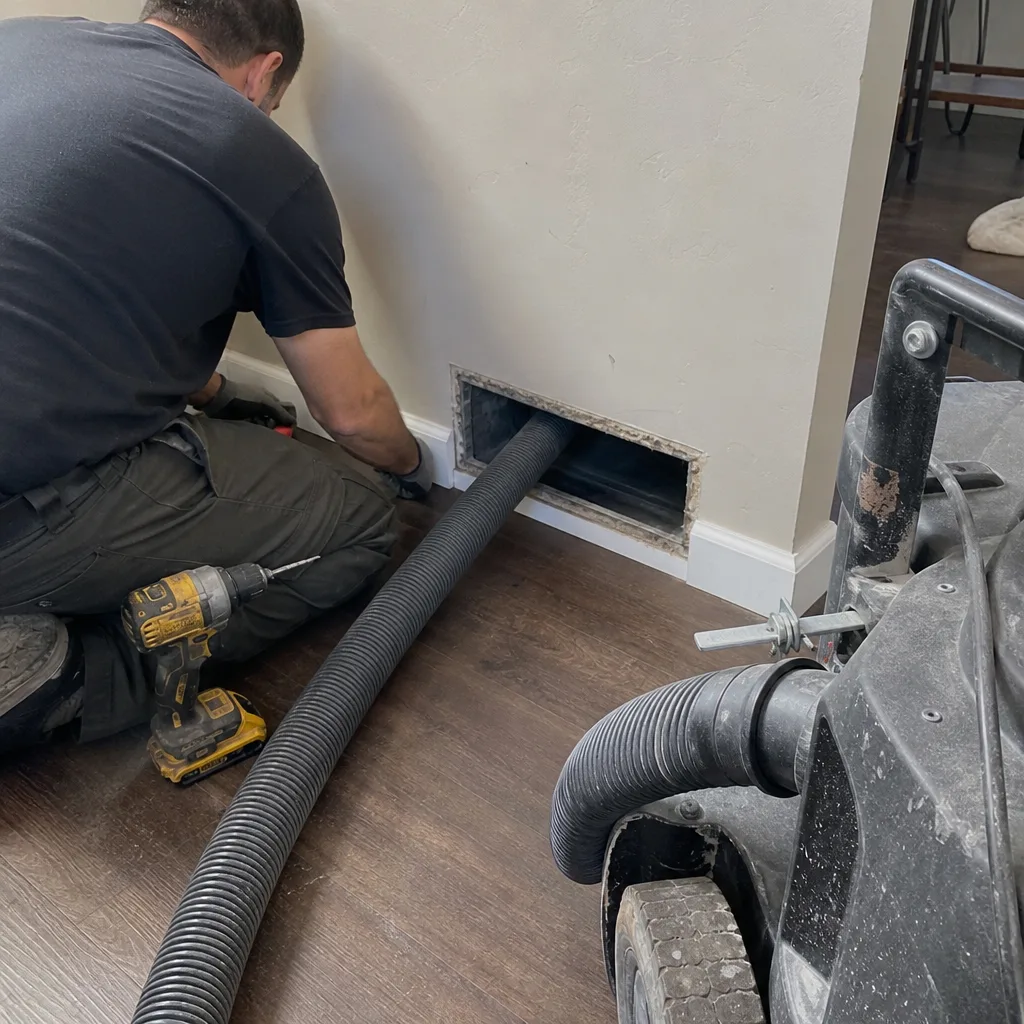
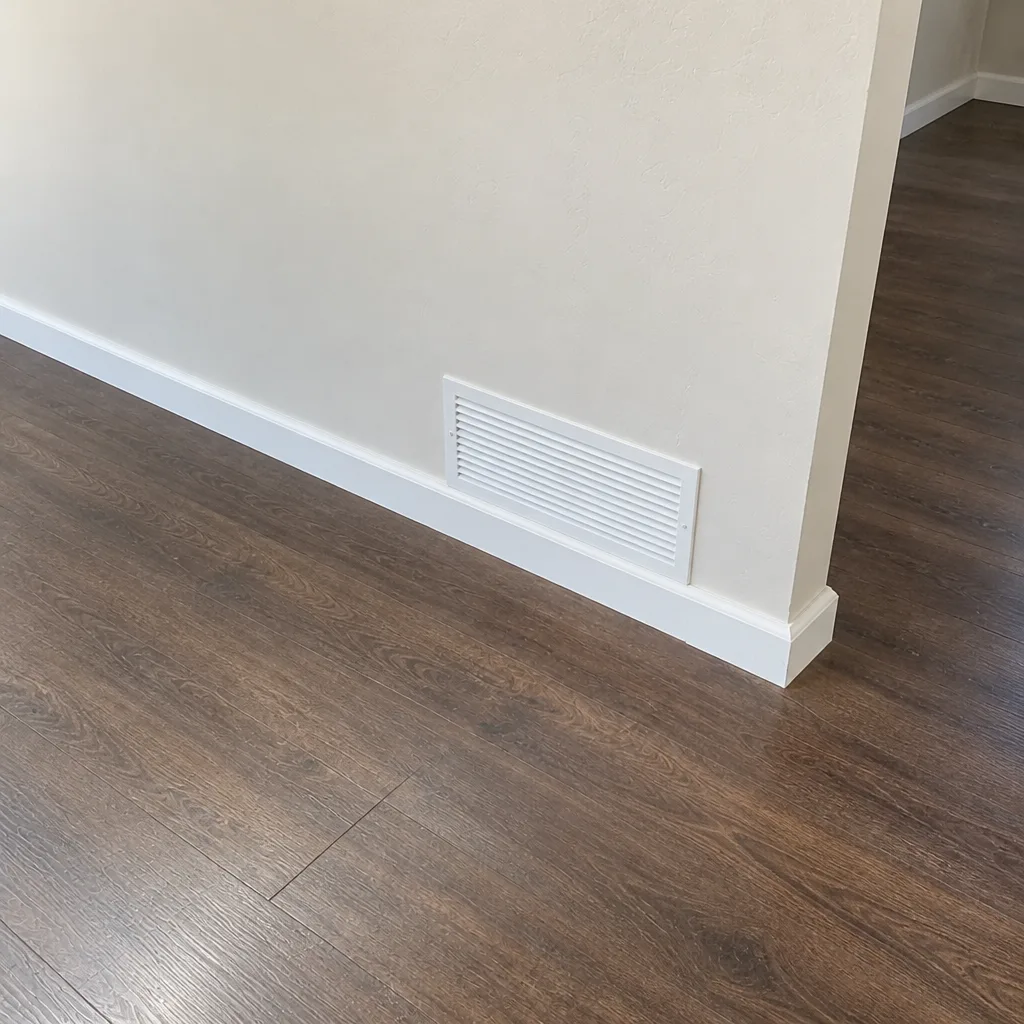
Whole-system duct and dryer vent check with before-and-after photos - you see exactly what came out of your vents
That "$99 whole-house special" is a bait ad - the real number appears once they are in your hallway, or the "clean" is a shop-vac at the register. We photograph the inside of your ducts before and after instead.
Seasonal Air Duct Cleaning Care for Lake Stevens: Year-Round Homeowner’s Guide
Most homeowners treat duct cleaning as a calendar chore: every two years, on a vague schedule, whenever it feels overdue. That misses the point. In Lake Stevens, the air your ductwork carries changes dramatically four times a year, and each season leaves behind a different kind of contamination. Eastern Washington wildfire smoke doesn’t stay outside. During smoke events, homes running their HVAC systems pull fine particulate directly into ductwork, where it settles and re-circulates long after the air quality index returns to normal. Standard filters catch some of it. They don’t catch all of it. This guide explains what each season deposits in your ducts and how to time care around the real conditions in Lake Stevens.
Quick Answer
There’s no single correct interval for air duct cleaning in Lake Stevens. A better approach aligns cleaning and filter changes with four annual stress periods: summer wildfire smoke, fall leaf mold and heating startup, winter condensation and reduced ventilation, and spring pollen. For most Lake Stevens homes, a full professional cleaning in early spring, paired with seasonal filter replacement, addresses the deposits each period leaves behind more effectively than a fixed two-year schedule.
Styles & brands we work with
- Whole-home duct cleaning
- Dryer vent cleaning
- Camera inspection
- Sanitizing & deodorizing
Table of Contents
- Why the Calendar Matters More Than the Clock
- Summer: Wildfire Smoke and Fine Particulate Infiltration
- Fall: Leaf Mold, Decaying Organics, and Heating Startup
- Winter: Condensation, Reduced Ventilation, and VOC Buildup
- Spring: Pollen, Dust Consolidation, and the Cleaning Window
- How to Time Filter Changes by Season, Not by Month
- How to Inspect Your Ductwork Between Professional Cleanings
- Common Mistakes to Avoid
- When to Call a Professional
- Frequently Asked Questions
Why the Calendar Matters More Than the Clock
Ductwork doesn’t collect debris evenly through the year. What settles inside depends on what’s in the air outside, how often your system runs, and how the building envelope behaves in different temperatures. In Lake Stevens, we see four distinct air quality stress periods rather than a smooth annual average.
The generic “every two years” recommendation assumes a stable environment. It isn’t wrong so much as incomplete. A home that experienced a heavy smoke season one summer may need attention well before a two-year mark; a home that was closed up all summer and kept its windows shut could stretch longer. Timing your care to the actual conditions in Lake Stevens produces better results than watching the clock.
What that looks like in practice:
- Summer: Fine smoke particulate enters through the return side and settles on duct walls and coil surfaces.
- Fall: Organic material decays at exterior intakes, and heating startup pushes accumulated debris through the system.
- Winter: Condensation in unconditioned spaces and reduced fresh-air exchange concentrate biological and chemical contaminants.
- Spring: Pollen infiltrates, and dust that consolidated over heating season loosens as temperatures rise.
When you align cleaning, sanitizing, and filter changes with those periods, you’re addressing contamination while it’s fresh, before it consolidates into the sticky film that suction alone can’t fully remove.
Summer: Wildfire Smoke and Fine Particulate Infiltration
Wildfire smoke is the biggest single air quality event of the Lake Stevens year. When regional smoke events push the air quality index high, most homeowners close windows and run the HVAC fan for relief. That’s the right instinct. But it also means your duct system becomes the primary air handler for hundreds of hours of smoke-laden outside air. Fine particulate, the fraction under 2.5 microns, passes through most standard filters and lands on duct walls, coil fins, and blower housings. It stays there.
The result is a system that keeps re-circulating the previous season’s smoke for months after the sky clears. Many Lake Stevens homeowners notice this as a faint campfire smell when the heat first comes on in October. That smell is the particulate being disturbed by the warmer air moving through the ducts.
What standard filters miss
A MERV 8 or MERV 11 filter catches a good percentage of larger debris, dust, and pollen. The sub-2.5-micron smoke fraction is far smaller. Filters slow it down without eliminating it. Professional cleaning with a rotary-brush system physically dislodges the particulate from duct surfaces, and negative-air containment keeps it from re-entering the living space. That combination is what removes what a filter couldn’t.
What “after a smoke season” means for cleaning timing
If a heavy smoke season occurs, schedule air duct cleaning before heating season starts, not after. Cleaning in October catches smoke particulate before it’s baked into the duct by months of hot-air cycling. Cleaning the following spring catches it too, but by then it’s had a full winter to bond to surfaces.
A seasonal filter upgrade also helps. Aprilaire media filters are available in higher-MERV configurations that hold more of the smoke fraction than a standard one-inch pleat. Whether that tradeoff makes sense for your system depends on airflow and blower capability, which is a conversation a technician should have with you rather than a decision made on a label alone.
Fall: Leaf Mold, Decaying Organics, and Heating Startup
Lake Stevens sits surrounded by mature evergreens and deciduous trees, and the first wet weeks of fall are when leaf litter and organic material start decaying. Anything collected at exterior air intakes, in the return plenum, or in the duct run closest to the outside wall becomes a food source for biological growth. Leaf mold spores are the specific hazard here, and they concentrate wherever organic material stays damp.
Heating startup is the second event. The first time the furnace runs for a sustained cycle after months at low use, accumulated debris, dust that settled on the coil, and any biological material that grew on the blower wheel all get pushed through the supply network. That’s the smell many people describe as “musty” or “stale” on the first cool morning of the year.
Fall checklist for Lake Stevens homes
- Walk the exterior of the home and look for debris blocking intake vents and any outdoor air connections.
- Change the return filter before the first extended heating cycle, not after.
- Check the condensate drain and drip pan for standing water or biological growth.
- Note any musty odor at the supply registers during the first week of heating; that’s the signal to have the system inspected.
- If the home has a humidifier installed, service it before winter operation begins.
Why HVAC cleaning matters more than duct cleaning alone in fall
Fall is the season when coil and blower surfaces accumulate the debris that later feeds into the ducts. Cleaning the duct network while leaving the coil grimy shortens the life of the clean. That’s why we treat HVAC cleaning as part of the same conversation. The full air pathway, from return plenum through coil, blower, and supply runs, is what determines what the home actually breathes, and the duct is only one segment of that path.
We use Abatement Technologies filtration systems for containment, the same equipment class used in professional remediation work, because fall cleaning is often about biological material and not just dust. If the inspection turns up microbial growth or a musty odor that keeps returning, sanitizing is a separate service we address as part of the same visit rather than a follow-up call.
Winter: Condensation, Reduced Ventilation, and VOC Buildup
Winter is the season when most Lake Stevens homes are sealed tight. Windows stay closed, fresh-air exchange drops to a fraction of summer levels, and the HVAC system becomes the only air mover in the house. That’s a good thing for comfort and a poor thing for air quality if the ductwork has issues the homeowner doesn’t know about.
The specific winter risks in Lake Stevens are:
- Condensation in unconditioned spaces. Duct runs that travel through crawl spaces, garages, or attic chases see temperature differentials in winter that cause moisture to collect on duct exteriors. If the duct is older or the insulation has degraded, that moisture can reach the duct interior, where it feeds biological growth.
- Reduced ventilation and VOC concentration. With fresh air exchange limited, volatile organic compounds from paint, furniture, cleaning products, and flooring offgassing accumulate. Ductwork that carries even trace biological or chemical contamination recirculates it continuously. In winter, there’s no open window to dilute the loop.
- Duct leakage. Higher static pressure from the heating cycle pushes more air through any leaks. Leaks in a crawl space can draw crawl-space air into the living space, and that air carries whatever is in the crawl space.
The repair question most duct cleaners skip
Winter is when we find the largest number of duct integrity issues: sagging flexible runs, disconnected joints, sealed-but-failing tape, and deteriorated boot connections. Cleaning only makes sense if the network holds air. Our Lake Stevens Air Duct Cleaning team offers duct repair and sealing, because a cleaning that leaves a leak in place will end up looking like it didn’t work by mid-winter. Air quality you can measure, not just promise, depends on the sealed envelope holding clean air where it should.
Sanitizing is also a winter-relevant service. When biological growth has established in the ductwork, the debris removal alone leaves the spores behind. A sanitizing pass after cleaning addresses the biology rather than just the material, and in a season when there’s no fresh air to dilute the loop, that step matters more than it does in July.
Spring: Pollen, Dust Consolidation, and the Cleaning Window
April and May are the practical answer to “when should I schedule my duct cleaning?” in Lake Stevens. Pollen loads are high, heating season is winding down, and the dust that consolidated over winter has begun to loosen as indoor humidity rises. Cleaning in spring resets the system before summer cooling season and wildfire smoke exposure.
What spring deposits in the duct network:
- Tree and grass pollen: The Pacific Northwest spring pollen season is short but intense, and pollen particles do reach return-air pathways when windows open.
- Loosened dust: Debris that bonded to duct surfaces in winter becomes mobile again as humidity shifts.
- Outdoor debris: Any leaf litter, pollen, or organic material pulled in through exterior intakes during the previous fall remains in the system if it wasn’t removed in fall cleaning.
- Pet dander and dust from heating season: Heating season distributes skin cells, animal dander, and fine dust through the supply network.
The cleaning order that actually works
- Walk the home and inspect the return registers and supply registers for visible dust and debris.
- Inspect the coil, drip pan, and blower housing, since these three components feed the duct network.
- Clean the duct network with a rotary-brush system that dislodges debris mechanically, not suction alone.
- Contain dislodged material with negative-air equipment so it doesn’t recirculate into the living space while cleaning is in progress.
- Sanitize if biological growth was present.
- Inspect and seal any leaks found during cleaning.
- Replace the filter with the correct MERV rating for the home’s system.
Spring cleaning is also the right time to address dryer vent cleaning, since lint accumulation in the dryer vent is highest right after a winter of heavy laundry volume. A blocked dryer vent is a fire risk, and the work is quick and part of the same visit.
Our technicians use Rotobrush rotary-brush systems and Nikro negative-air equipment, which together do what a shop vacuum cannot: physically dislodge and fully contain what gets loosened.
How to Time Filter Changes by Season, Not by Month
The three-month filter rule assumes a stable environment. In Lake Stevens, the right interval depends on the season, not the calendar. What most filter packaging doesn’t tell you is that a filter running during a smoke event loads four to five times faster than the same filter running in April.
Seasonal filter cadence for Lake Stevens homes
- Summer (June-August): Check the filter monthly, replace at first visible loading or after any sustained smoke event. During active wildfire smoke, a high-MERV filter is worth the airflow tradeoff for the duration of the event, then return to the standard rating.
- Fall (September-November): Replace at heating startup. Check again six to eight weeks later, since the first heating cycles push a heavy load of accumulated dust into the return.
- Winter (December-February): Replace mid-season. Homes with pets, or with prolonged heating runtime, may need two changes.
- Spring (March-May): Replace at the start of pollen season and again at the end. This is the season for a higher-MERV filter if the household has allergy sufferers, assuming the system supports the pressure drop.
Honeywell and Aprilaire both make filter products with documented performance standards, and both offer media and pleated options that fit most residential systems. The right pick depends on the static pressure your blower can handle; a high-MERV filter on an under-sized system will reduce airflow and cost more in energy than it saves in air quality.
One practical rule that works in Lake Stevens: if the filter looks gray after four weeks, you’re likely dealing with a duct issue, not just filter loading. That’s a signal to book an inspection, not to change the filter more often.
How to Inspect Your Ductwork Between Professional Cleanings
You don’t need special tools to know your ducts are overdue. The home tells you. What we look for between cleanings:
- Register dust: A white or gray film appearing on supply registers within a couple of weeks of cleaning suggests the network has residual debris or a leak drawing in unfiltered air.
- Musty or stale odors: Any persistent smell at a supply vent, especially at startup after a period of non-use, points to biological growth or moisture.
- Uneven airflow room to room: A room that never feels as warm or cool as the rest of the house may have a leak, a disconnected run, or a crushed duct.
- Higher energy bills without a change in use: Leaky ducts push the system to work harder; the effect is measurable on the bill before it’s visible on a register.
- Visible debris inside a return register: If you can see material collected inside the duct below the grille, the network is worth inspecting.
A crawl-space or attic visual check once a season is worth the ten minutes. Look for disconnected joints, sagging flexible runs, and condensation on duct exteriors. None of that requires touching the HVAC system, which should always be inspected by a trained technician because of the electrical and refrigerant hazards involved.
See the difference
 Before
 After
 Before
 After
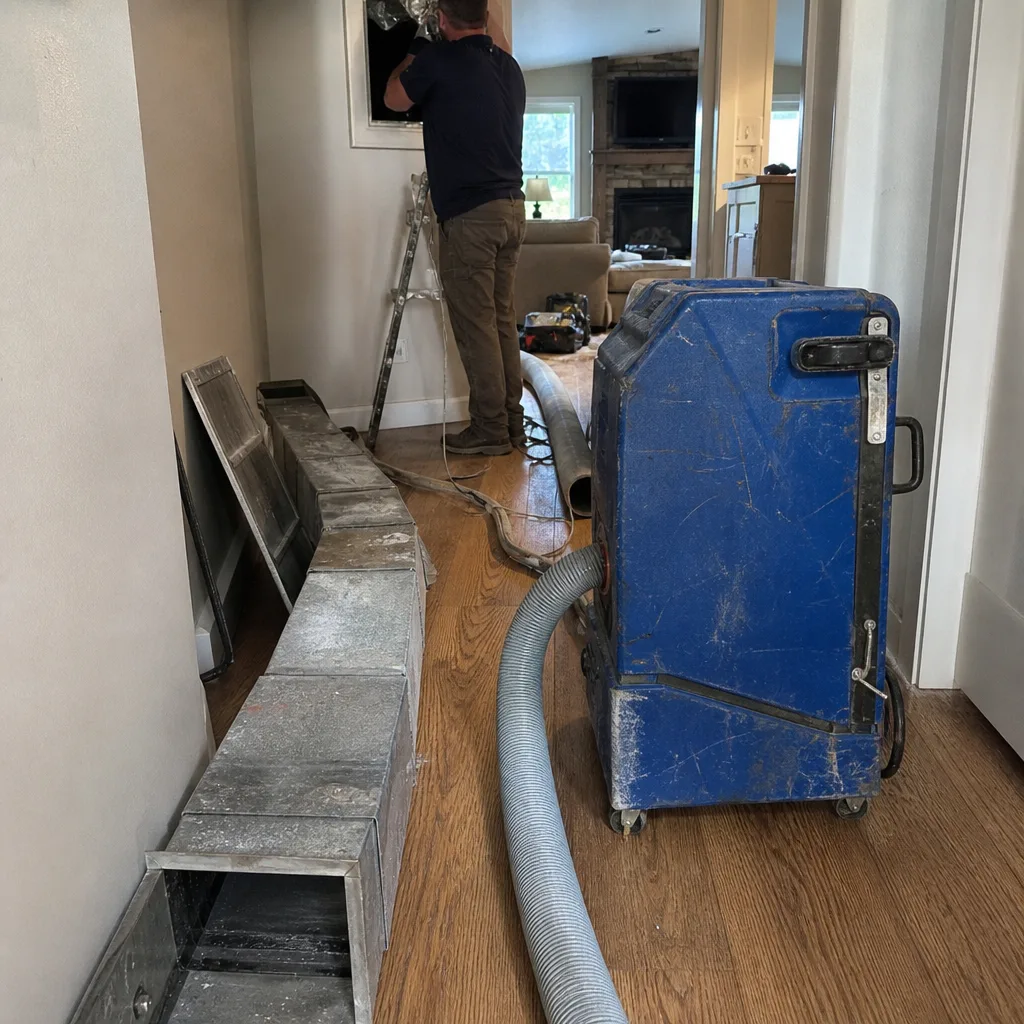 Before
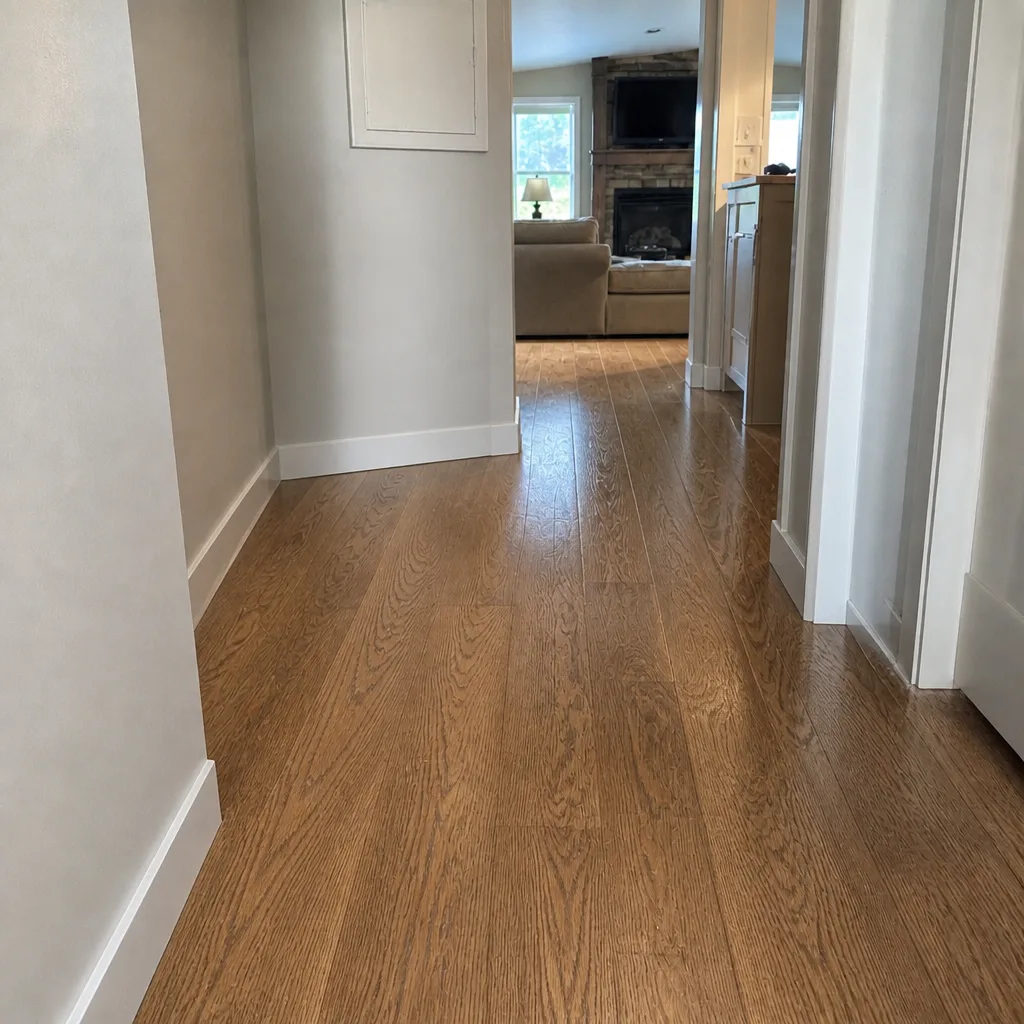 After
Putting the Year Together: A Lake Stevens Cleaning Calendar
The four seasons don’t stand alone. They build on each other. What you do in one season affects how much work the next one requires.
- Late summer (after a smoke event): Filter change. Note any smoke odor that persists past the event.
- Early fall: Filter change at heating startup. Inspect exterior intakes for organic debris. Book a fall inspection if musty odors appear at the first heating cycle.
- Mid-winter: Filter change. Visual check of crawl-space or attic duct runs for moisture. Note any airflow changes.
- Early spring: Full duct cleaning with HVAC cleaning and sanitizing if indicated. Seal any leaks found. Filter change at season start and again at season end.
- Summer: Filter check monthly during smoke events. High-MERV filters for the duration of active smoke.
This is a starting framework, not a rule. Homes with pets, allergy suffers, or recent renovation work often need more frequent attention. Homes that have never had a professional cleaning deserve a full inspection before a cleaning schedule makes sense.
Common Mistakes to Avoid
- Cleaning by calendar year, not by season. A two-year interval misses the smoke event that deposited a heavy load of fine particulate this summer. Time cleaning to what actually happened in your home, not the month it last occurred.
- Skipping HVAC cleaning to save on duct cleaning. Cleaning ducts while leaving the coil and blower grimy is a short-term fix. The debris on those surfaces feeds straight back into the ducts within a season.
- Assuming a higher-MERV filter is always better. A high-MERV filter on a system not designed for the pressure drop can starve airflow, stress the blower, and shorten equipment life. Match the filter to the system.
- Treating a musty smell with a spray air freshener. Masking an odor doesn’t address its source. If the smell returns after the freshener wears off, the biological growth is still in the ductwork and needs a professional inspection.
- Ignoring leaks because the system still runs. A duct that leaks into a crawl space pulls crawl-space air into the living space. Cleaning without sealing is a clean that won’t last the winter.
- Buying a consumer duct-cleaning kit from a big-box store. Consumer vacuums and brushes don’t create the negative pressure needed to fully remove dislodged debris. The result is a partially clean duct with contaminants redistributed onto nearby surfaces.
- Never having had the system inspected at all. In a Lake Stevens home that has never had professional duct service, the first inspection is often the most valuable visit. It establishes a baseline for what comes next.
When to Call a Professional
Call when you see visible debris in a return, when you smell something musty at a supply register that doesn’t go away, when airflow in one room is consistently weaker than the rest of the house, when a smoke event left a persistent odor even after filters were changed, or when the home has never had a professional cleaning and you don’t have a baseline. Call before you seal off a crawl space, before a heavy renovation, and before you assume that a higher-MERV filter is doing the work that a cleaning would. Lake Stevens Air Duct Cleaning offers free estimates in Lake Stevens. Call (855) 726-7819. We answer 24/7. Fast dispatch from 7am to 7pm, Sunday through Friday. The local pro we connect you with is licensed and insured as their state requires. Our technicians have up to 10 years of experience with professional-grade equipment from Rotobrush, Nikro, and Abatement Technologies.
Frequently Asked Questions
Most residential duct cleanings in the Lake Stevens area fall in a typical estimated range of $350 to $850 for a whole-system job, with the final price set by the written estimate after an inspection. Homes with multiple HVAC zones, extensive ductwork, or heavy contamination often land on the higher end. Sanitizing, HVAC cleaning, and duct repair are priced separately because they’re separate work. Call (855) 726-7819 for an exact quote. Estimates are free.
Most Lake Stevens homes benefit from a full professional cleaning every two to three years, with a spring cleaning preferred so the system is reset before summer smoke season. Homes in heavy wildfire smoke years, homes with pets, and homes with allergy-sensitive occupants often need attention more frequently. What matters more than the interval is what’s happening around the home, which is why seasonal timing beats a fixed schedule.
Low teaser quotes often cover a limited scope: a surface vacuum of the accessible registers and a promise of more work to be discussed on site. The invoice after the visit frequently grows once the technician is inside. Our approach is one flat price per system agreed before work starts, with no per-vent pricing. If a quote is surprisingly low, ask what the job includes and whether HVAC cleaning, sanitizing, and containment are part of the price.
The most reliable evidence is before-and-after photos of your own ducts, taken at the register and at the plenum, plus a walkthrough of what was cleaned. Ask for both. Re-inspection a few weeks later should show no new debris at the registers. If a technician can’t show photographic evidence, ask what documentation is available before work begins. Call (855) 726-7819 to schedule an inspection with estimates that are free.
Yes, if the HVAC system runs during the smoke event. Homes that closed windows and ran the fan for relief during a smoke event pulled outside air through the return side, and fine particulate under 2.5 microns passed through most standard filters and settled in the ducts. The evidence is typically a faint smoky smell at the supply registers in the first weeks of fall heating.
No. Filters slow debris; they don’t stop it. Fine particulate, biological growth, and material pulled in through exterior intakes all bypass or pass through filters to some degree, and that accumulation doesn’t self-remove. A cleaning every few years removes what a filter could not, and the seasonal inspection catches duct integrity issues that no filter addresses. Call (855) 726-7819 with the current state of your system and we’ll tell you what makes sense. Estimates are free.
The Bottom Line
Air duct care in Lake Stevens works best when it follows the seasons rather than a fixed calendar. Summer smoke deposits fine particulate; fall brings organic debris and heating startup; winter concentrates moisture and biological risk; spring is the reset window. A full professional cleaning in early spring, paired with seasonal filter replacement and a fall inspection of duct integrity, is the framework most Lake Stevens homes should work from. Our technicians have up to 10 years of experience with the Rotobrush, Nikro, and Abatement Technologies equipment that does the actual job. Call Lake Stevens Air Duct Cleaning at (855) 726-7819 for a free estimate. We answer 24/7. Fast dispatch from 7am to 7pm, Sunday through Friday. One flat price per system, agreed before work starts. Before-and-after photos of your own ducts when the work is done.
Written by the team at Lake Stevens Air Duct Cleaning.