
Last updated November 25, 2026
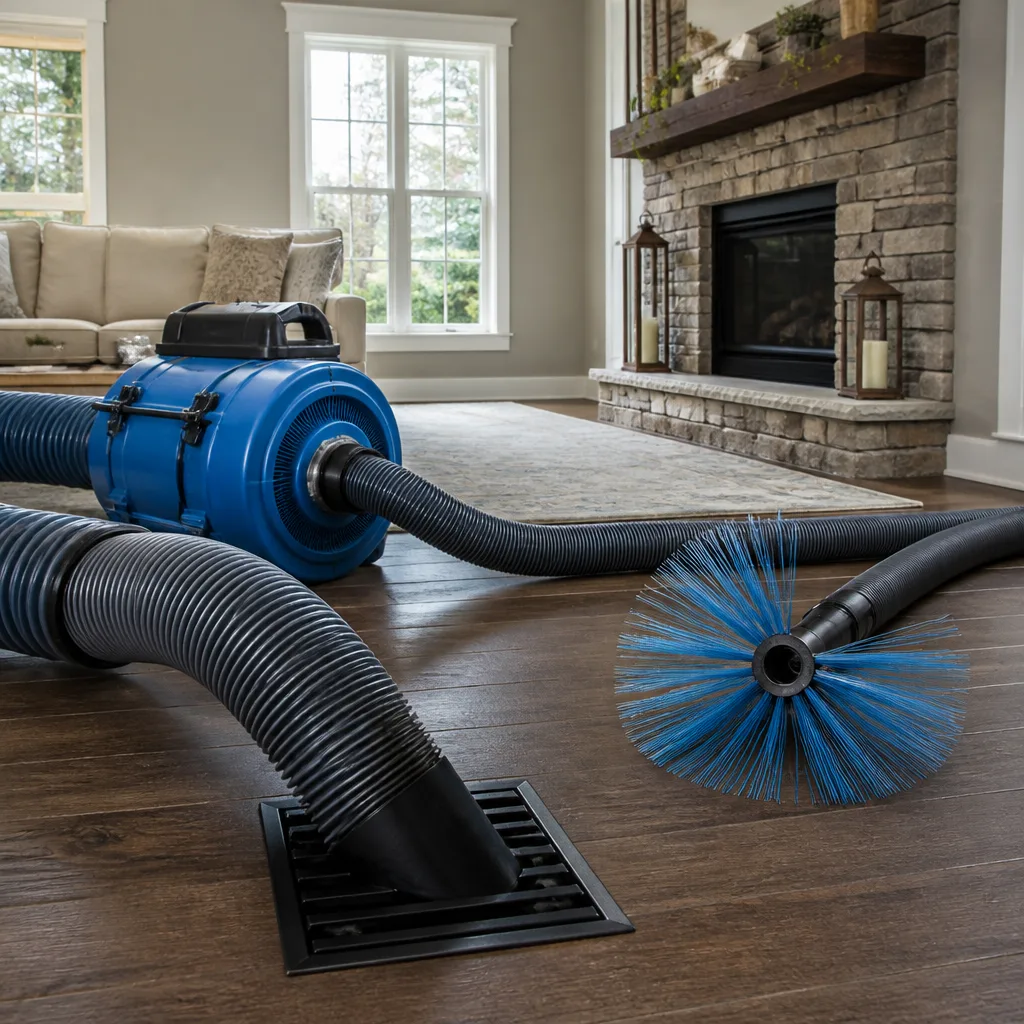 Whole-home duct cleaning
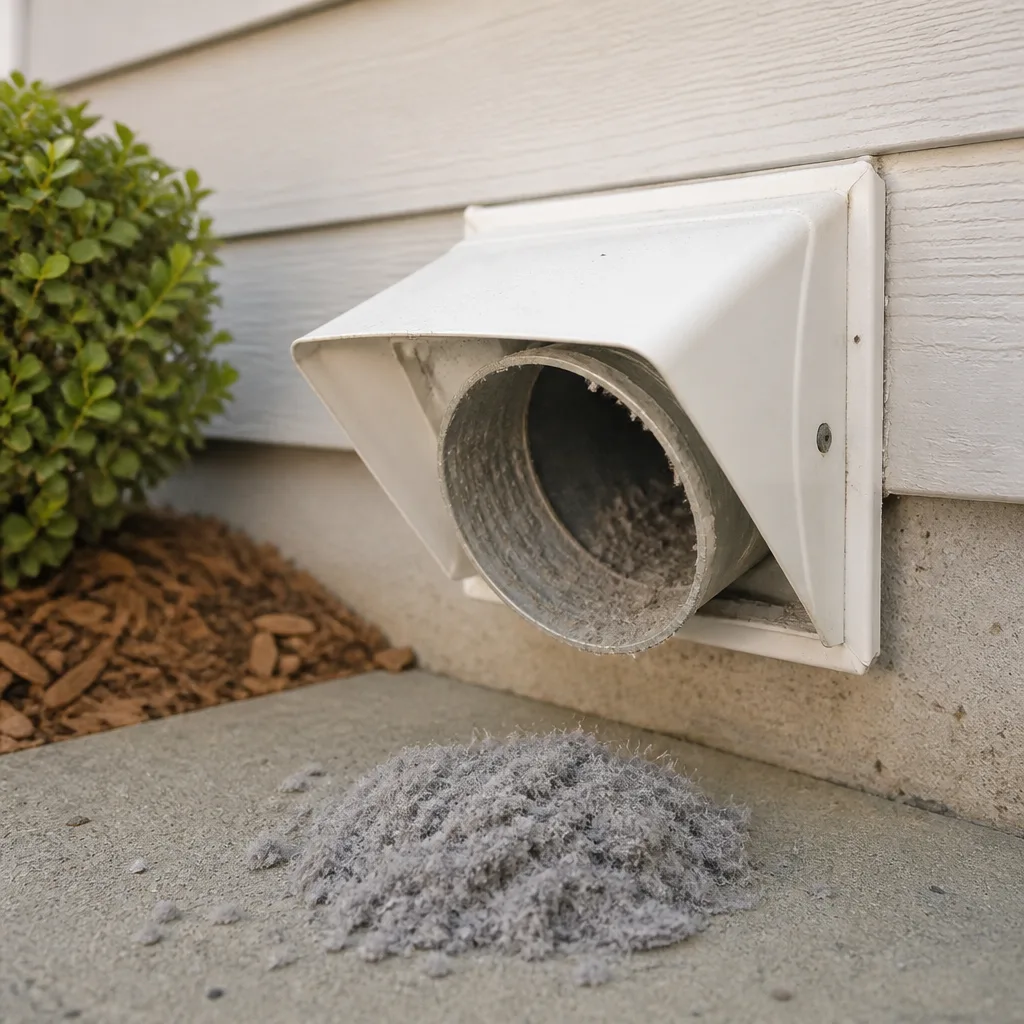 Dryer vent cleaning
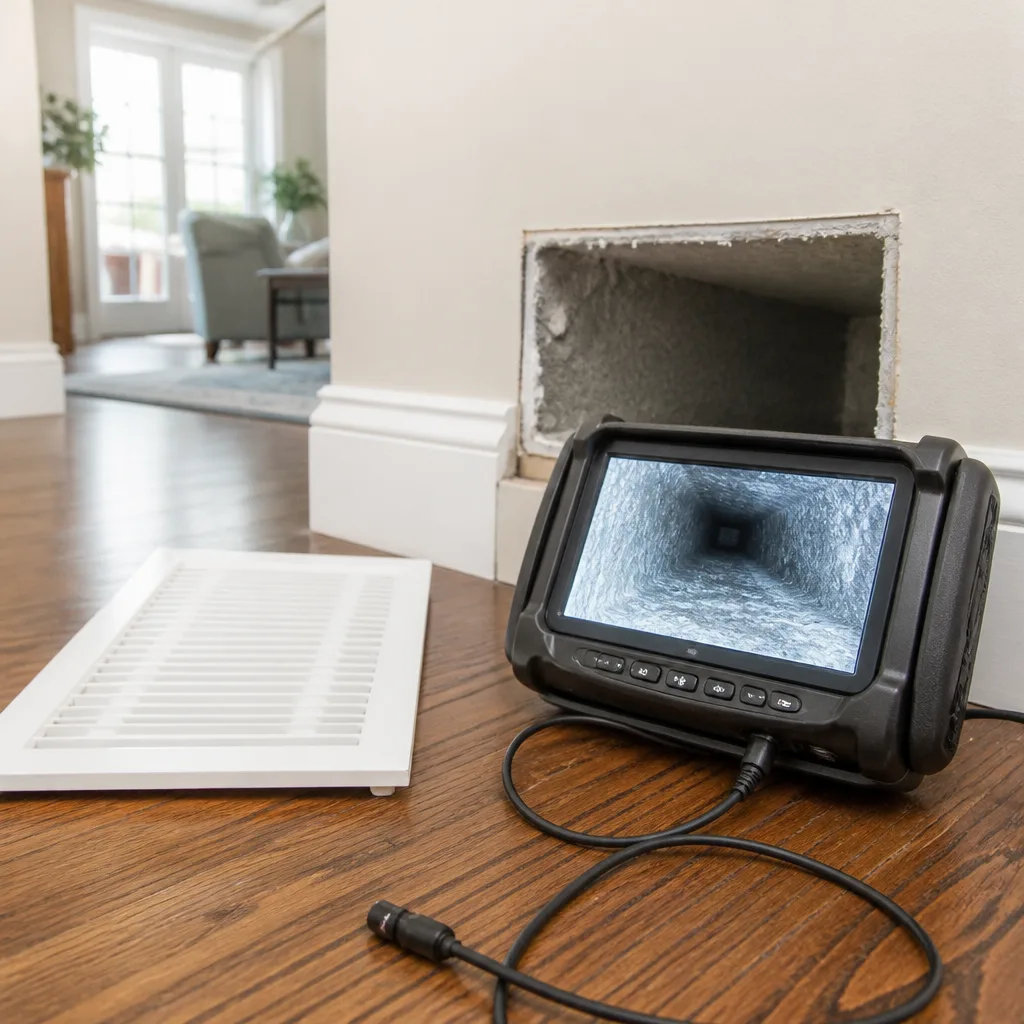 Camera inspection
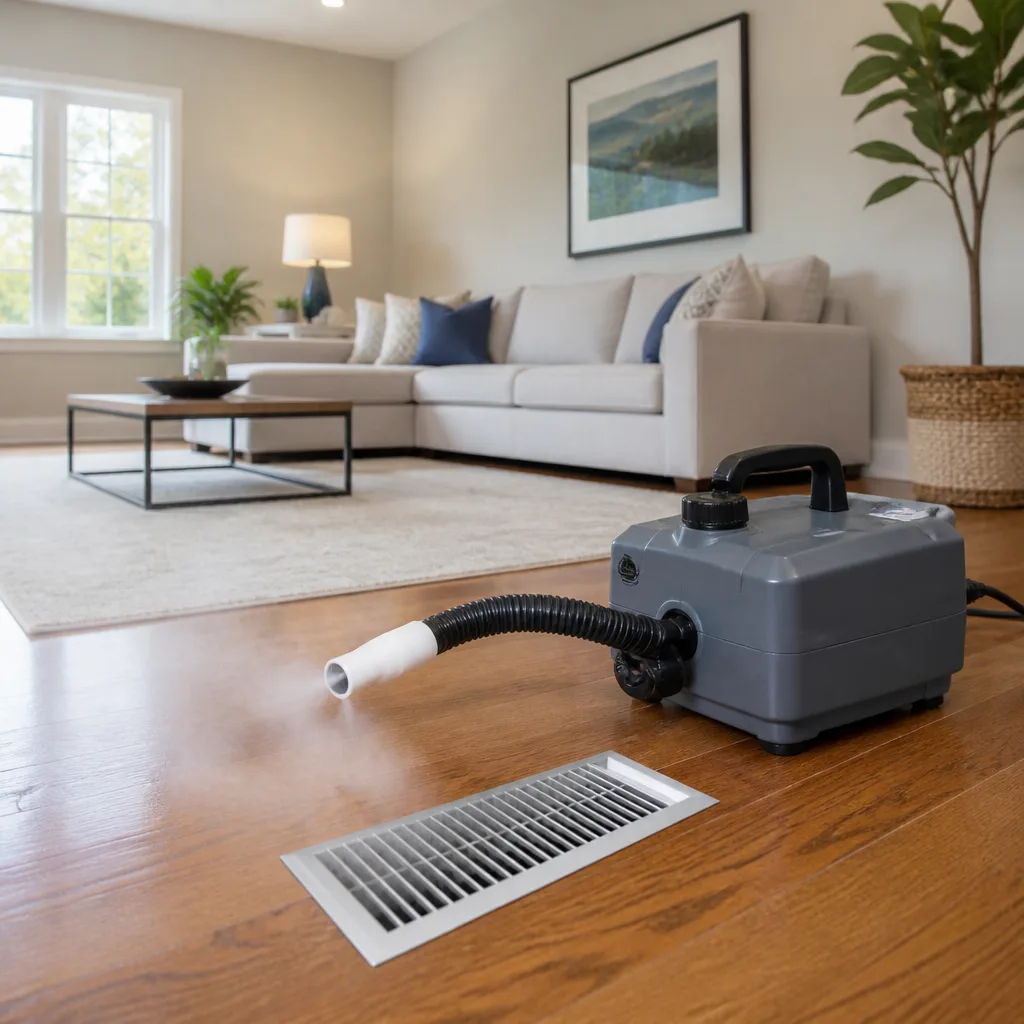 Sanitizing & deodorizing
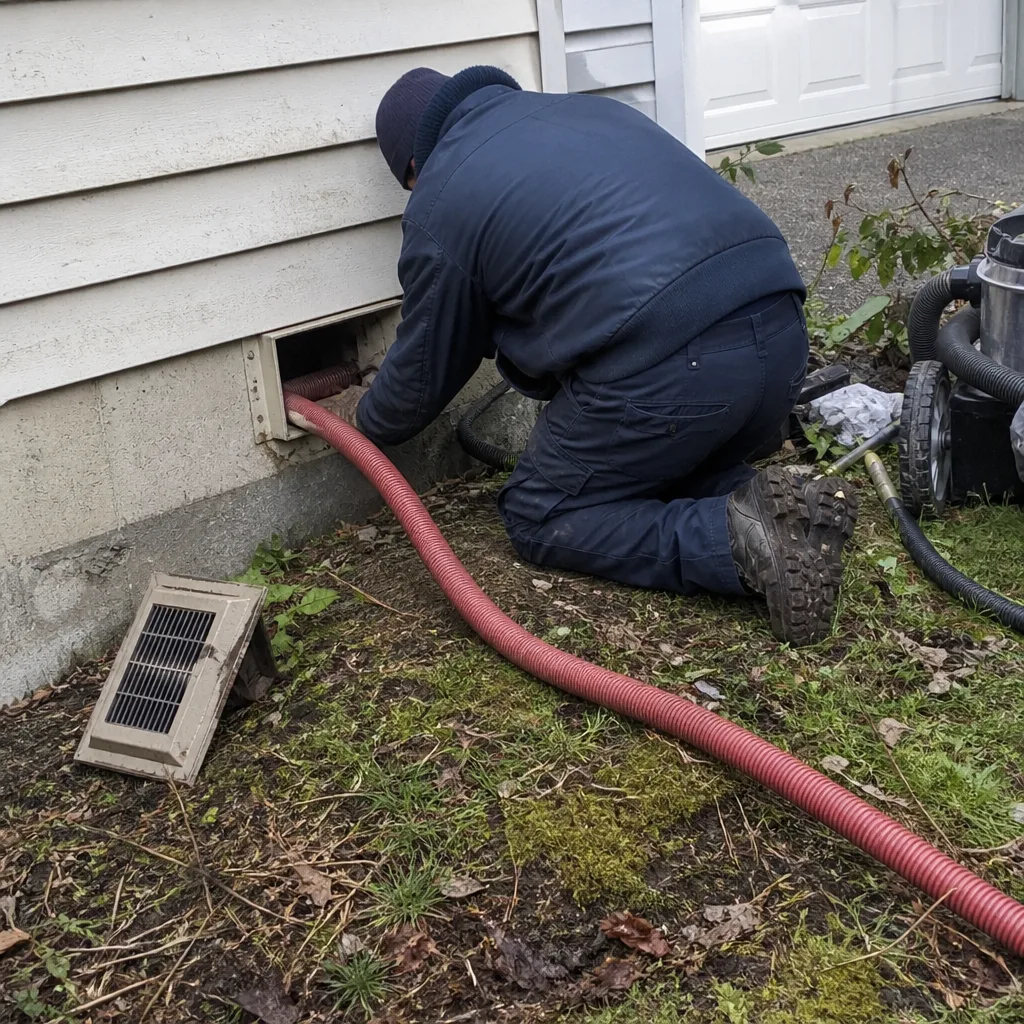
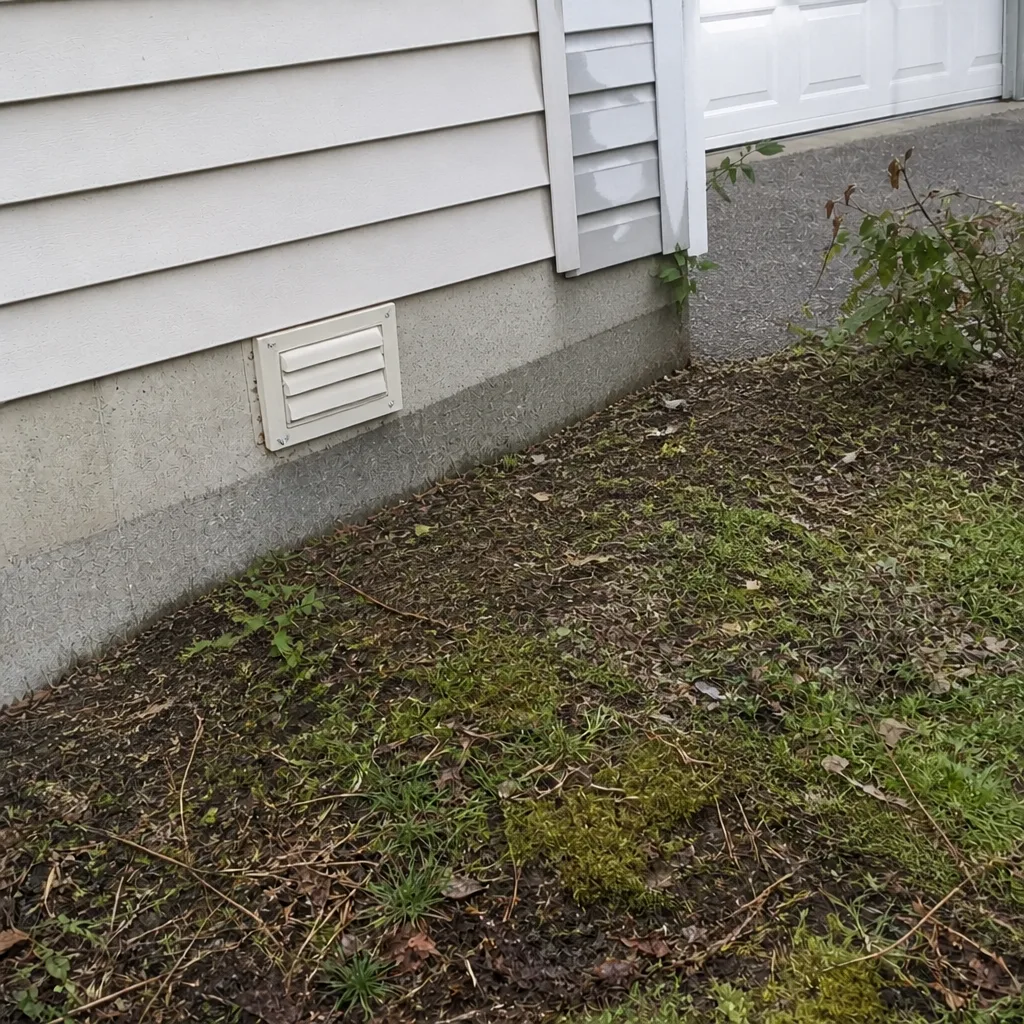
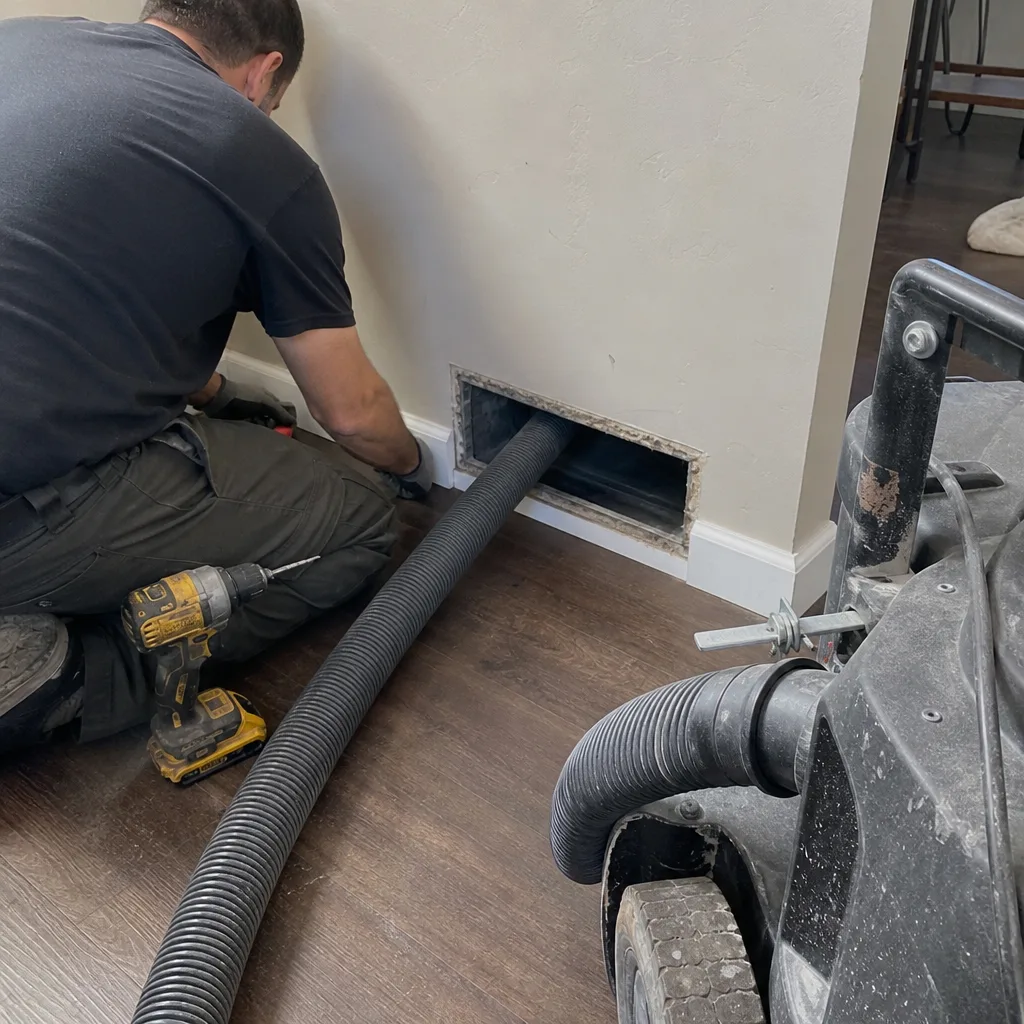
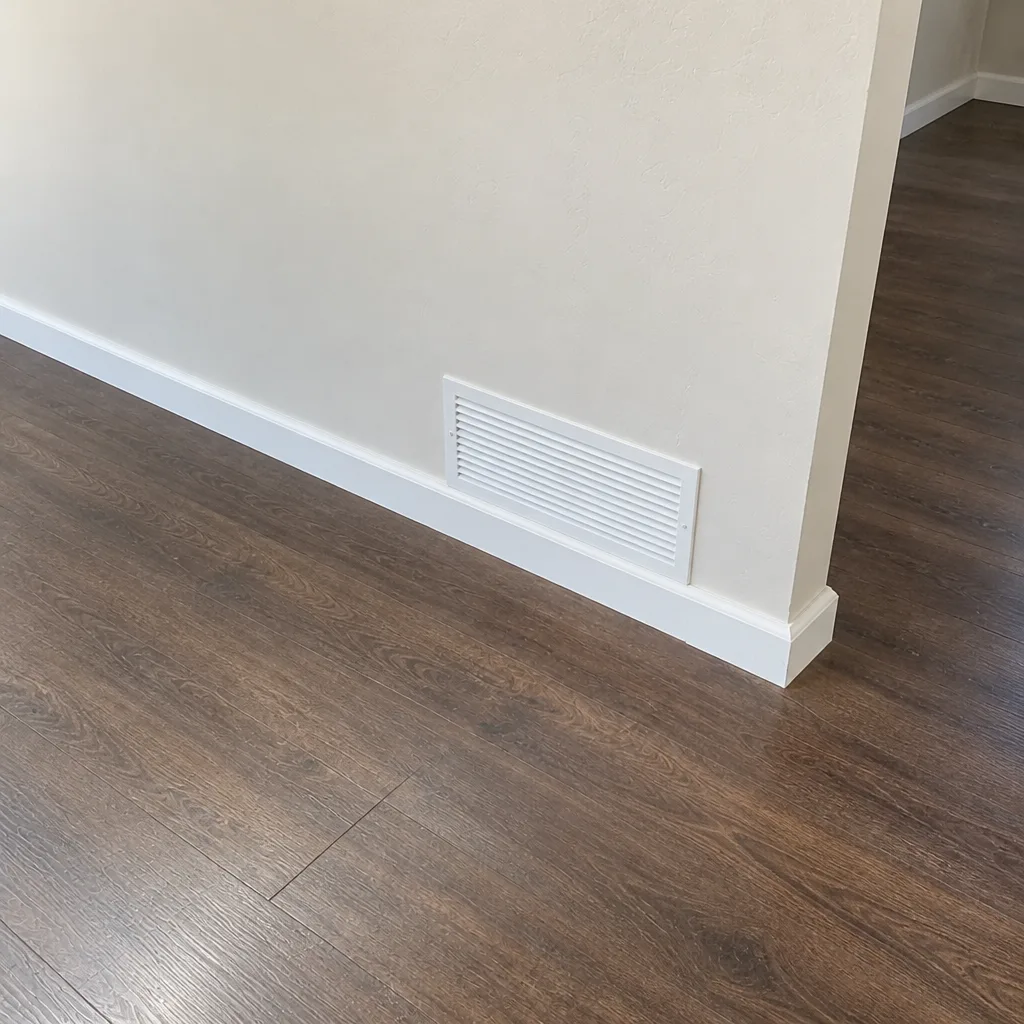
Whole-system duct and dryer vent check with before-and-after photos - you see exactly what came out of your vents
That "$99 whole-house special" is a bait ad - the real number appears once they are in your hallway, or the "clean" is a shop-vac at the register. We photograph the inside of your ducts before and after instead.
How to Hire an Air Duct Cleaning Contractor in Lake Stevens: A Step-by-Step Guide
Here’s the part of this industry nobody puts on a flyer: in Washington State, a person can legally advertise air duct cleaning with no industry certification, no specialized equipment, and no verifiable training. There’s no state license that separates a technician who understands negative pressure and filtration from someone with a shop vacuum and a business card. That means the burden of vetting falls on you, and most homeowners don’t know which questions actually reveal the difference. This guide walks you through hiring an air duct cleaning contractor in Lake Stevens the way a trade professional would do it: what to ask, what to verify, what a real scope of work looks like, and which red flags should end the conversation before it starts.
Quick Answer
To hire an air duct cleaning contractor in Lake Stevens, verify third-party credentials like NADCA membership or ASCS certification independently, ask specifically about negative pressure equipment (a minimum of 500 CFM for a residential system) and HEPA filtration, demand a written scope of work before work begins, and treat any whole-home quote under $99 with no site visit as a reason to walk away. The questions matter more than the price, because the price is easy to fake and the process isn’t.
Styles & brands we work with
- Whole-home duct cleaning
- Dryer vent cleaning
- Camera inspection
- Sanitizing & deodorizing
Table of Contents
- Why Vetting an Air Duct Contractor in Lake Stevens Matters More Than the Quote
- Which Certifications Actually Signal Real Training
- The Equipment Questions That Separate Pros From Pretenders
- How to Read a Quote: Red Flags in the Pricing Process
- How to Write a Scope of Work That Holds the Contractor Accountable
- What a Legitimate Post-Service Report Should Contain
- Lake Stevens Specifics: Climate, Housing, and What They Mean for Your Ducts
- Why Full-System Service Beats a One-Service Vendor
Why Vetting an Air Duct Contractor in Lake Stevens Matters More Than the Quote
Air duct cleaning sits in a regulatory gap. Unlike electrical work or plumbing, there’s no state license class for duct cleaning in Washington, so there’s no exam to pass and no bond requirement tied specifically to the trade. Anyone with a general business license can offer the service. That’s not a criticism of the trade; it’s an explanation of why the person on the other end of the phone is responsible for verifying competence instead of assuming a regulator already did.
The practical consequence is that quotes for the same home can vary wildly, and the cheapest one usually reflects a smaller scope of work, not a better deal. A low figure often means suction-only cleaning with a portable unit, no containment, no filtration, and no documentation. The expensive quote may include camera inspection, negative pressure containment, sanitizing, and a written report. Comparing them on price alone is like comparing a tune-up to an oil change because both cost money.
In Lake Stevens, this matters in a particular way. The housing stock here ranges from newer construction in the lake-adjacent developments to older homes built decades ago, and the duct systems in those older homes are more likely to have loose joints, disconnected runs, or decades of accumulated debris. A contractor who shows up, vacuums what they can reach, and leaves isn’t solving anything. Someone who inspects the system, understands what they’re looking at, and documents it afterward is doing the actual job.
What You’re Really Buying
You’re not buying an hour of vacuuming. You’re buying a verified improvement in the air pathway your HVAC system moves through every day. That’s why the questions in this guide focus on process and documentation rather than marketing language. If a contractor can explain their equipment, their containment method, and what their report will contain, they probably know what they’re doing. If they can’t, the price is irrelevant.
Which Certifications Actually Signal Real Training
Two credentials carry weight in this industry: membership in NADCA (the National Air Duct Cleaners Association) and ASCS certification (Air Systems Cleaning Specialist). Neither is required by law in Washington, which is exactly why they matter as a differentiator. A contractor who pursued them did so voluntarily.
NADCA publishes the industry’s recognized standard for assessing and cleaning HVAC systems, and its members agree to a code of ethics that includes not using misleading pricing. ASCS certification is an individual credential that requires passing an exam on system cleaning principles, safety, and standards. Together they signal that someone took the trade seriously enough to be tested on it.
How to Verify Credentials Independently
- Ask for the contractor’s NADCA member number or ASCS certification name, then look it up directly on the issuing organization’s website. Don’t take a logo on a van as proof.
- Confirm the certification belongs to the company or technician who will actually be on site, not a parent company or a franchise office in another state.
- Ask whether the person doing the work holds the certification or only the salesperson does. The distinction matters.
- If they can’t produce a verification path, treat the credential as unverified and proceed with caution.
Independent verification is the whole point. A credential you can’t look up isn’t a credential; it’s a sticker. In our experience, contractors who hold real certifications are happy to give you the number and wait while you check it, because they know what it’s worth.
The Equipment Questions That Separate Pros From Pretenders
This is the part of the hiring conversation most homeowners skip, and it’s the most revealing. Equipment is expensive and training on it takes time, so the right answers are hard to fake in a phone call. Ask these questions directly, and listen for whether the answers are specific or vague.
- Do you use negative pressure containment, and what’s the CFM rating? For residential systems, the accepted minimum is 500 CFM. Negative pressure keeps dislodged debris from drifting into your living space while it’s being removed. Without it, the cleaning process can temporarily make the air worse.
- Is the extraction unit HEPA-filtered? HEPA filtration captures fine particulates at the exhaust so they don’t recirculate into the home. A shop vacuum with a bag filter is not the same thing.
- Do you offer camera inspection? A camera lets the technician verify condition inside the ducts before and after cleaning, and catch disconnected runs or debris pockets that suction alone misses.
- What source removal method do you use? Rotary brush systems physically dislodge debris from duct walls, which suction alone cannot do on its own.
- What sanitation products do you use, if any, and why? Sanitizing addresses biological contaminants like mold spores and bacteria. A contractor should be able to explain when it’s appropriate and when it isn’t.
Professionals in this trade use industry-recognized equipment because the physics of the job demand it. Rotary brush systems, negative-air containment units, and remediation-grade filtration equipment are what make the difference between surface cleaning and a real source-removal job. At Lake Stevens Air Duct Cleaning we run Rotobrush rotary brush systems and Nikro negative-air equipment, along with Abatement Technologies filtration systems, because those are the tools the job actually requires. When you’re comparing contractors, ask what they run and why. The answer tells you almost everything.
How to Read a Quote: Red Flags in the Pricing Process
A legitimate quote for air duct cleaning in Lake Stevens should follow an inspection or at least a detailed phone conversation covering square footage, number of registers, number of returns, system age, and any known issues like musty odors or visible mold. Anything less and the number isn’t a quote; it’s a guess dressed up as one.
Watch for these red flags in the pricing process:
- A whole-home price under $99. Professional equipment, labor, and travel cost more than that. A sub-$99 quote usually means suction-only work, an upcharge once they arrive, or a bait-and-switch on the day of service.
- No site visit or duct count before quoting. If they haven’t seen the system or counted the vents, they can’t know what the job involves.
- Refusal to explain methodology. A contractor who won’t describe their process over the phone either doesn’t understand it or doesn’t want you to.
- Pressure to book immediately. Urgency is a sales tactic, not a sign of quality.
- Per-vent pricing with vague inclusions. You want a flat price for the whole system, agreed before work starts, not a per-vent number that balloons once the technician is in your home.
The bait-and-switch reputation this industry has earned is real, and it’s why we quote one flat price per system, agreed before work begins. No per-vent surprises, no add-on fees once the truck is in the driveway. When you’re getting quotes in Lake Stevens, ask each contractor directly: “Is this the final price for the whole system, or will it change when you arrive?” The answer will separate the serious operators from the rest.
How to Compare Quotes Fairly
Line up each quote against the same checklist: Is the price flat or per-vent? Is sanitizing included or extra? Is camera inspection included? Is a written report provided? Are the ducts actually being put under negative pressure, or just vacuumed? A higher quote that includes containment, filtration, inspection, and documentation is usually the better value, even though it looks more expensive on paper.
How to Write a Scope of Work That Holds the Contractor Accountable
A written scope of work is your protection. It converts a verbal conversation into a document the contractor is accountable to, and it gives you a reference point if the on-site work diverges from what you discussed. Ask for one before work begins, and read it carefully.
A thorough scope of work for air duct cleaning in Lake Stevens should include:
- The address and system description – square footage, number of supply registers, number of returns, and system type.
- The exact services to be performed – air duct cleaning, dryer vent cleaning, HVAC cleaning, sanitizing, and any duct repair or sealing as separately listed items.
- The equipment to be used – negative-air unit with CFM rating, extraction unit with HEPA filtration, rotary brush system.
- What’s included in the flat price and what’s excluded, so there are no day-of surprises.
- The documentation promised – before-and-after photos of your own ducts, a written report, and any camera inspection findings.
- The final price, stated as a flat number per system, with a note that the written estimate sets the price.
If a contractor resists putting any of this in writing, that’s the answer to whether you should hire them. The scope of work isn’t a formality; it’s the difference between a job done to a standard and a job done to a salesperson’s convenience.
What a Legitimate Post-Service Report Should Contain
A verbal “it looks good” at the end of a job is a warning sign, not a closing courtesy. The work you paid for happens inside your walls where you can’t eyeball it, which is exactly why documentation matters. A real report lets you verify that the scope of work you agreed to was actually completed.
A legitimate post-service report should include:
- Before-and-after photos of your own ducts, not stock images or photos from another job. The photos should show supply runs, return runs, and any areas where debris or damage was found.
- Camera inspection findings, if inspection was part of the scope, with notes on any disconnected runs, damaged flex duct, or areas that need repair.
- A summary of the services performed, matching the scope of work line for line.
- Any recommendations for repair, sealing, or follow-up, with the reasons stated.
- Sanitizing confirmation, if sanitizing was performed, noting which product was used and where.
When we finish a job in Lake Stevens, the homeowner gets before-and-after photos of their own ducts, not a generic brochure. That’s the standard you should expect from anyone you hire. If a contractor can’t show you what they did, you have no way to know whether the work actually happened.
Lake Stevens Specifics: Climate, Housing, and What They Mean for Your Ducts
Lake Stevens sits in a wet, mild climate with cool winters and humid shoulder seasons, and that has real implications for the ducts running through your home. Moisture in the air, combined with a duct system that has loose joints or disconnected runs, creates conditions where biological contaminants can take hold. Musty odors, increased allergy symptoms, and visible dust near registers are the common warnings that a system needs attention.
The housing stock here also varies considerably. Older homes in and around downtown Lake Stevens and the established neighborhoods near the lake often have duct systems that were installed decades ago and have never had professional service. Those systems are more likely to have flex duct that’s sagging, joints that have come loose, or debris build-up that’s been accumulating for years. Newer construction isn’t immune either; builder-grade ductwork sometimes has poor sealing from the start, and even a few years of use can leave meaningful debris in the system.
What to Watch for in a Lake Stevens Home
- Musty or stale odors when the HVAC system kicks on, especially after a wet season.
- Visible dust near supply registers, or dust settling on furniture faster than usual.
- Allergy or asthma symptoms that worsen indoors, particularly in bedrooms.
- Uneven heating or cooling between rooms, which can indicate a disconnected or leaking run.
- A system that’s never been professionally serviced, especially in homes older than about fifteen years.
If any of these sound familiar, the right next step is an inspection with a written assessment, not necessarily a cleaning right away. A contractor who wants to look before they quote is doing it correctly. Lake Stevens homeowners should be wary of anyone who diagnoses the problem over the phone without seeing the system.
Why Full-System Service Beats a One-Service Vendor
Most duct cleaning companies do one thing: they clean ducts. That’s fine as far as it goes, but it leaves gaps. If the ducts are dirty, the dryer vent is clogged, the HVAC components need cleaning, and the duct system has structural problems that let contaminants back in, then cleaning alone treats the symptom without addressing the cause.
We built our service scope around the full air pathway: the air duct cleaning that removes accumulated debris, dryer vent clearing, HVAC cleaning, air quality and sanitizing to address biological contaminants, and duct repair and sealing to fix the structural reasons air quality degrades in the first place. That last one is the piece most contractors don’t offer, and it’s often the most important. Clean ducts are only part of the picture; sealed, intact ducts keep them that way.
Bridging Cleaning and Long-Term Air Quality
We also source and install trusted air quality products from Honeywell and Aprilaire, so the job doesn’t end at cleaning. If the homeowner wants to improve filtration or humidity control long-term, we can connect the cleaning work to products with documented performance standards. It’s how we treat clean air as a system outcome rather than a one-time event. If you’re looking for the full picture of what we offer, the Lake Stevens Air Duct Cleaning page covers all five service categories in detail.
Common Mistakes to Avoid
- Hiring on price alone. The cheapest quote is usually the smallest scope of work, not the best value. Compare process, equipment, and documentation, not just the number at the bottom.
- Not verifying certifications independently. A logo on a website means nothing until you look up the credential on the issuing organization’s site. Take the two minutes to check.
- Skipping the site visit or duct count. A contractor who quotes without seeing the system is guessing. Ask them to count registers and returns before quoting.
- Accepting a verbal close-out. “It looks good” is not a report. Demand before-and-after photos and a written summary of the work performed.
- Ignoring structural issues. If the ducts have disconnected runs or loose joints, cleaning them without repairing them means the problem returns. Ask specifically about duct repair and sealing.
- Not asking about containment. Without negative pressure and HEPA filtration, the cleaning process can temporarily degrade indoor air quality instead of improving it.
- Assuming Lake Stevens has the same climate considerations as eastern Washington. The wet, mild conditions here create different conditions for duct systems than the dry side of the state, and the vetting questions should reflect that.
See the difference
 Before
 After
 Before
 After
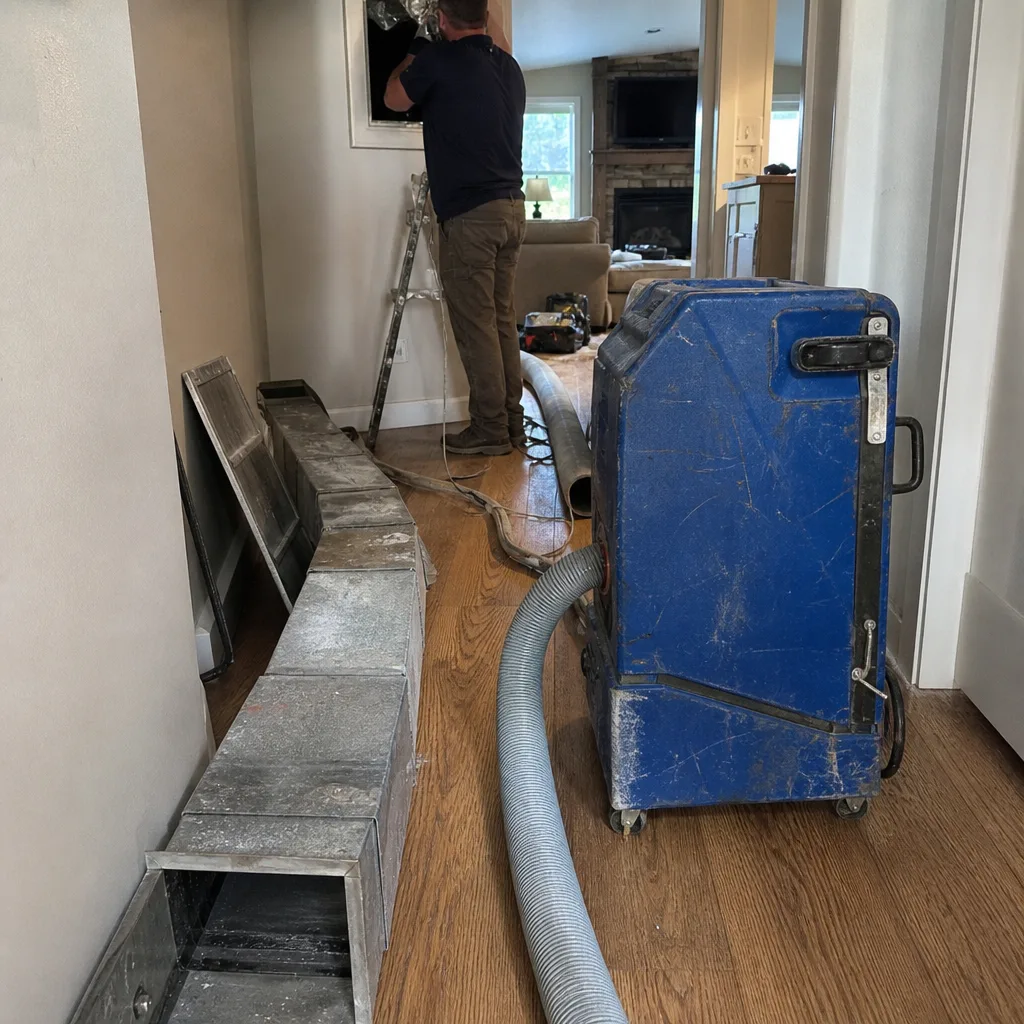 Before
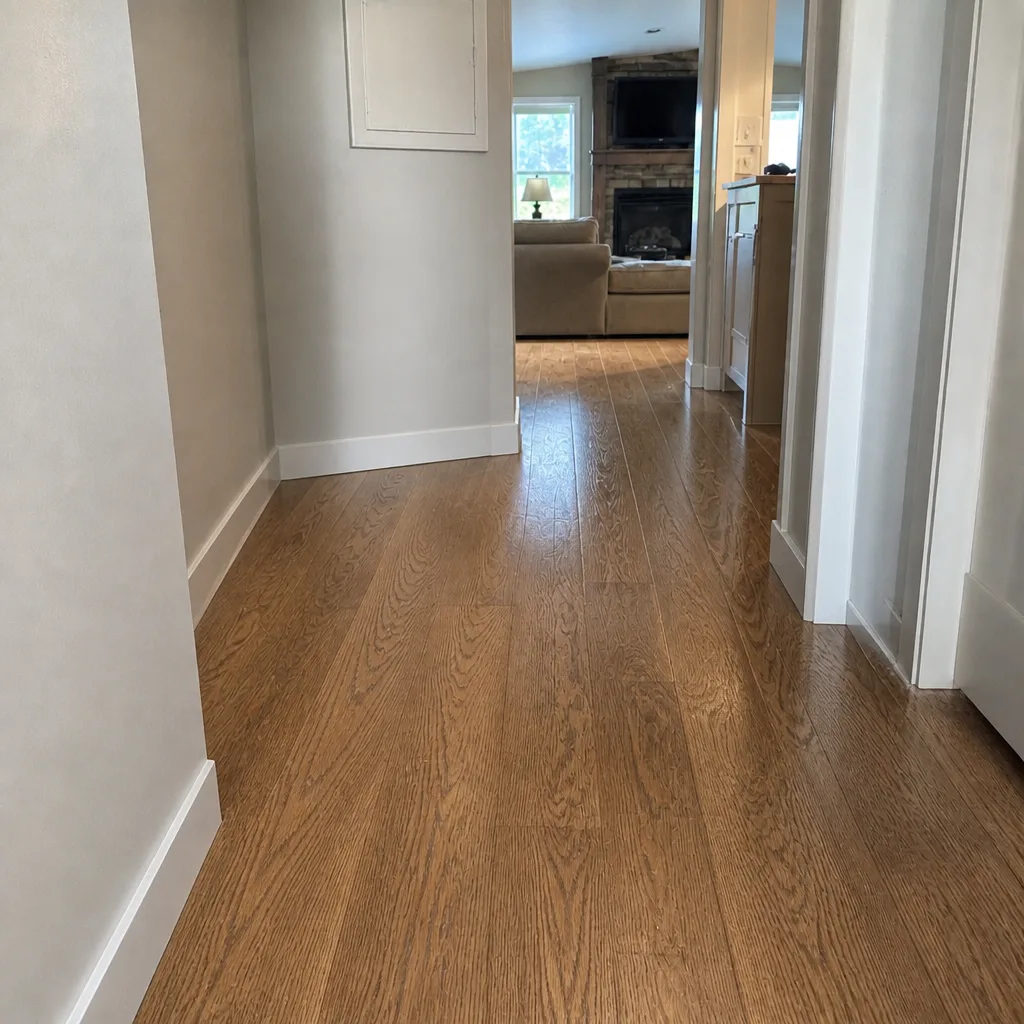 After
When to Call a Professional
Call a professional when you notice musty odors when the HVAC kicks on, visible dust near registers, allergy symptoms that worsen indoors, uneven heating or cooling between rooms, or a system that’s never had professional service in a home older than about fifteen years. Call sooner if you’ve had water intrusion, a pest issue, or recent remodeling that generated dust the system may have pulled in. Duct repair and sealing is also worth a call if a contractor has flagged disconnected runs or damaged flex duct. Lake Stevens Air Duct Cleaning offers free estimates in Lake Stevens. Call (855) 726-7819. We answer 24/7. Fast dispatch from 7am to 7pm, Sunday through Friday.
Frequently Asked Questions
Air duct cleaning in Lake Stevens is priced per system by a written estimate, not per vent, because the cost depends on square footage, number of registers and returns, system condition, and which services you include. The written estimate sets the final price, and the estimate itself is free. Call (855) 726-7819 for an exact quote. We answer 24/7. Fast dispatch from 7am to 7pm, Sunday through Friday.
Cheap quotes usually reflect a smaller scope of work: suction-only cleaning without negative pressure, no HEPA filtration, no camera inspection, and no written documentation. A whole-home price under $99 is a strong signal that the job will either be surface-level or come with upcharges once the technician is on site. Ask what’s included before comparing numbers. Call (855) 726-7819 for a flat, whole-system quote with no per-vent pricing.
You should receive before-and-after photos of your own ducts, not stock images, along with a written summary of services performed that matches the scope of work. If a contractor closes the job with a verbal “it looks good,” ask for the documentation. Any legitimate contractor should be able to provide it. Call (855) 726-7819 to schedule a free estimate in Lake Stevens.
There’s no fixed calendar interval that applies to every home; it depends on the system, the occupants, and conditions in the home. Homes with pets, allergy sufferers, recent remodeling, or a system that’s never been serviced usually need attention sooner. In Lake Stevens’s wet climate, homes with older duct systems should be inspected if they show warning signs. Call (855) 726-7819 for a free assessment.
Look for NADCA membership and ASCS certification, and verify both directly on the issuing organization’s website rather than trusting a logo. Neither is required by Washington State, so a contractor who holds them pursued them voluntarily. Also ask whether the technician doing the work holds the credential or just the salesperson. Call (855) 726-7819 to ask about our credentials and equipment.
It can, particularly when the cleaning includes source removal with rotary brush systems, negative pressure containment, and sanitizing to address biological contaminants like mold spores and allergens. Cleaning alone helps most when the ducts are also sealed and intact, so ask about duct repair and sealing as part of the scope. Call (855) 726-7819 to discuss your situation with a free estimate.
We offer duct repair and sealing as a distinct service, which most duct cleaners don’t provide. That matters because cleaning a system with disconnected runs or loose joints doesn’t solve the problem; the contaminants return. A proper scope of work should include an inspection and any necessary repair. Call (855) 726-7819 for a free estimate in Lake Stevens.
The Bottom Line
Hiring an air duct cleaning contractor in Lake Stevens comes down to verification, not price. Confirm NADCA or ASCS credentials independently, ask about negative pressure containment (500 CFM minimum for residential), HEPA filtration, and camera inspection, and insist on a written scope of work with before-and-after photos of your own ducts at close-out. Treat sub-$99 whole-home quotes and no-inspection sales calls as reasons to walk away. The right contractor will welcome the questions, because the answers are what separates a real source-removal job from a vacuum and a handshake. Pick process over price, and the price stops being the thing you regret.
Ready to get a straight answer about your system? Lake Stevens Air Duct Cleaning offers free estimates across Lake Stevens for our five core services: air duct cleaning, dryer vent cleaning, HVAC cleaning, air quality and sanitizing, and duct repair and sealing. Call (855) 726-7819 for a free estimate. We answer 24/7. Fast dispatch from 7am to 7pm, Sunday through Friday.
Written by the team at Lake Stevens Air Duct Cleaning.