
Last updated November 25, 2026
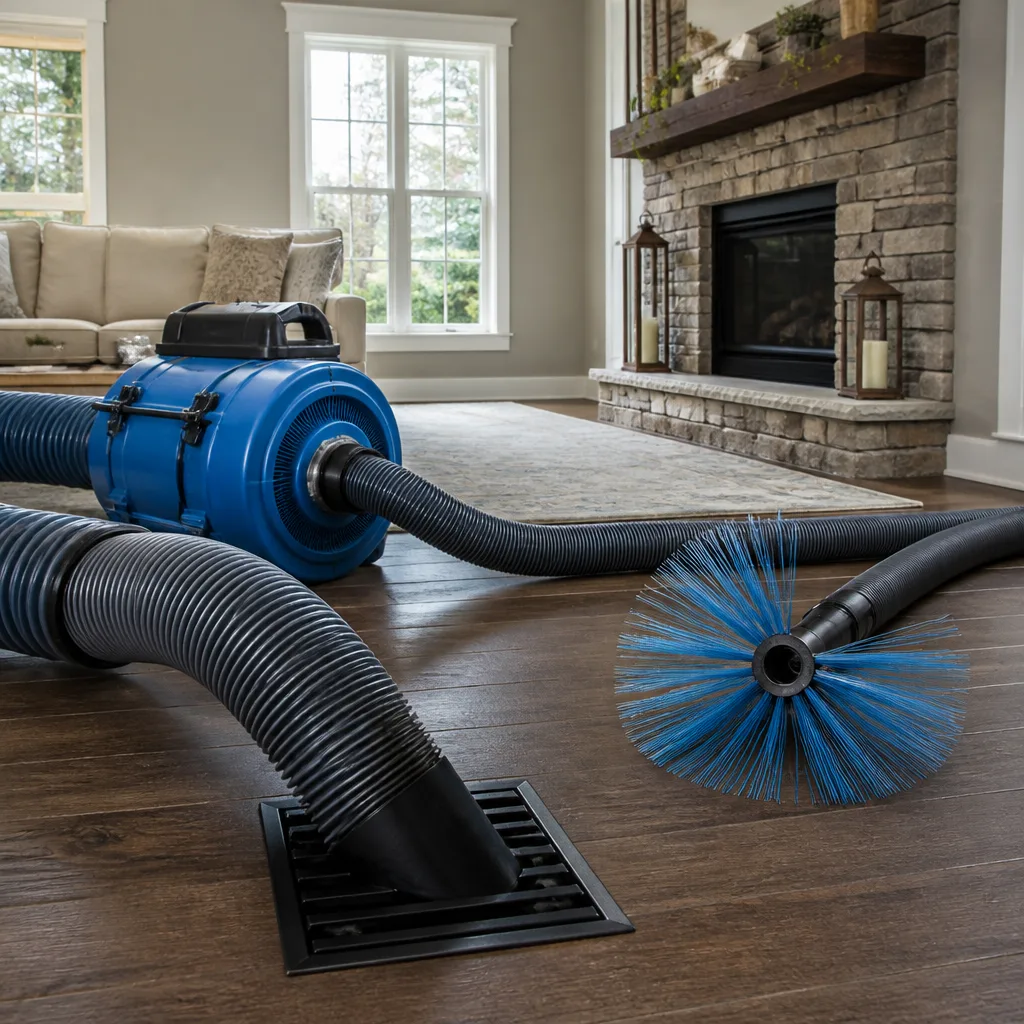 Whole-home duct cleaning
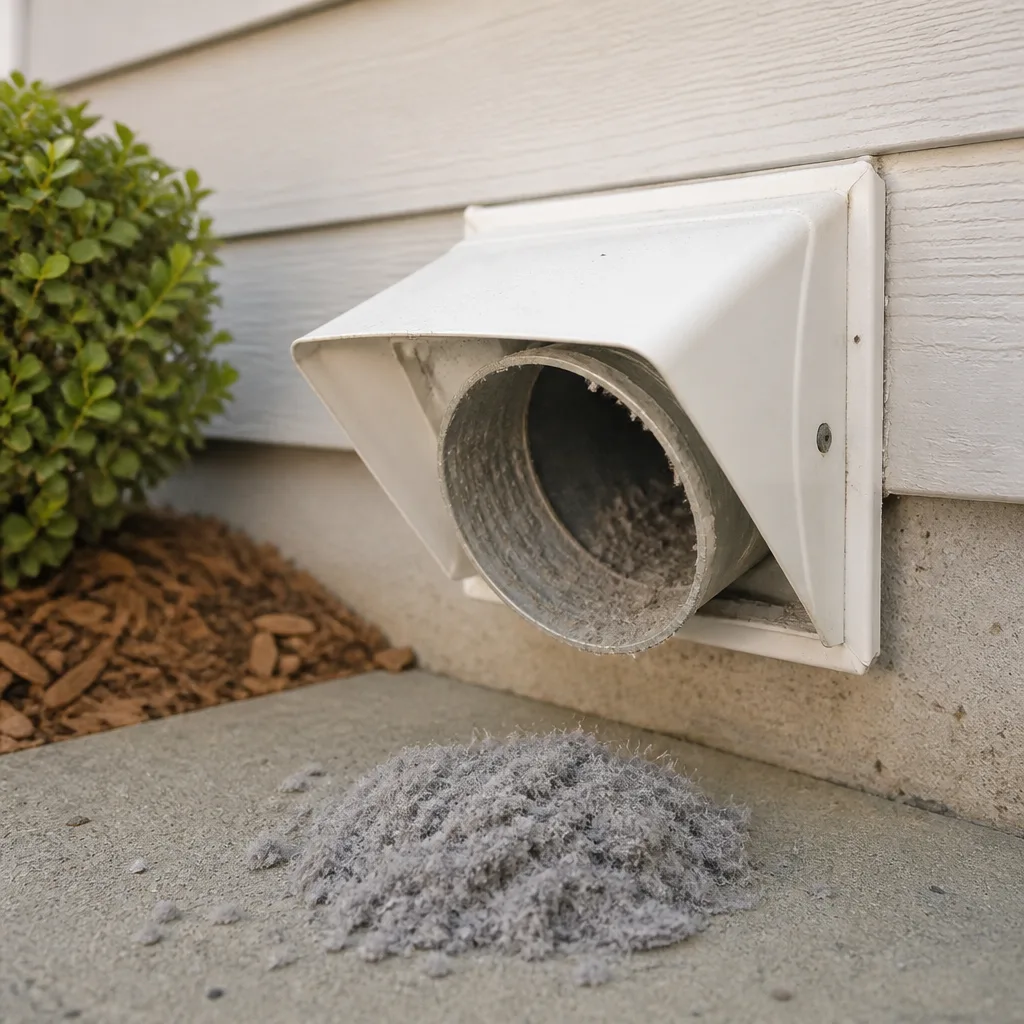 Dryer vent cleaning
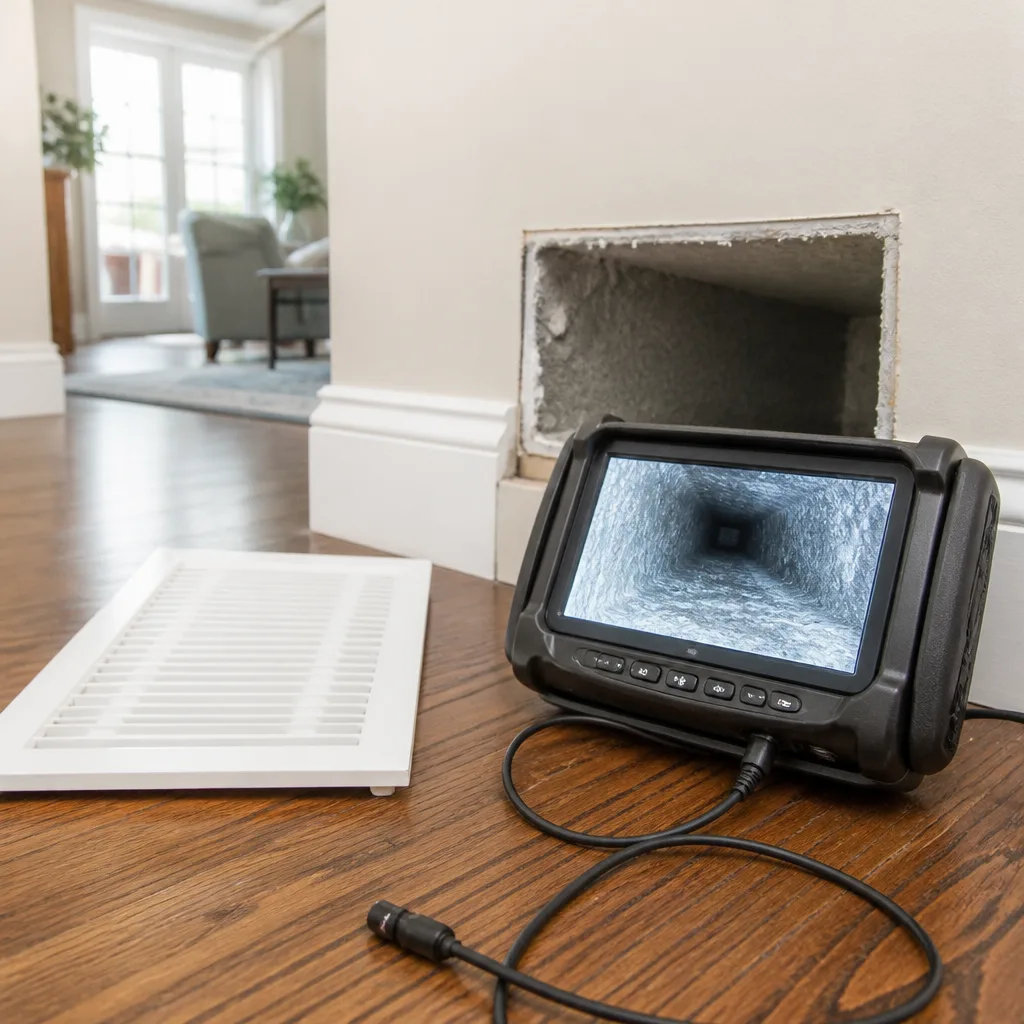 Camera inspection
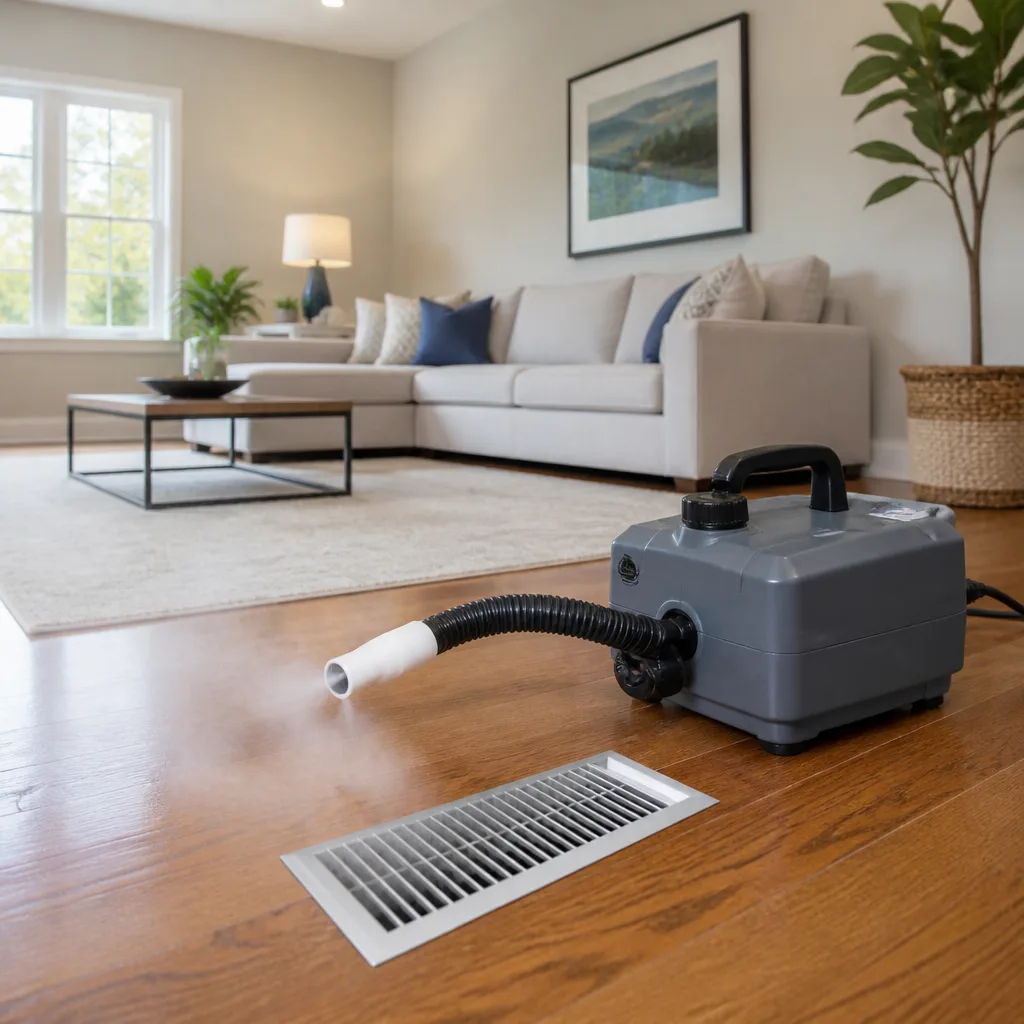 Sanitizing & deodorizing
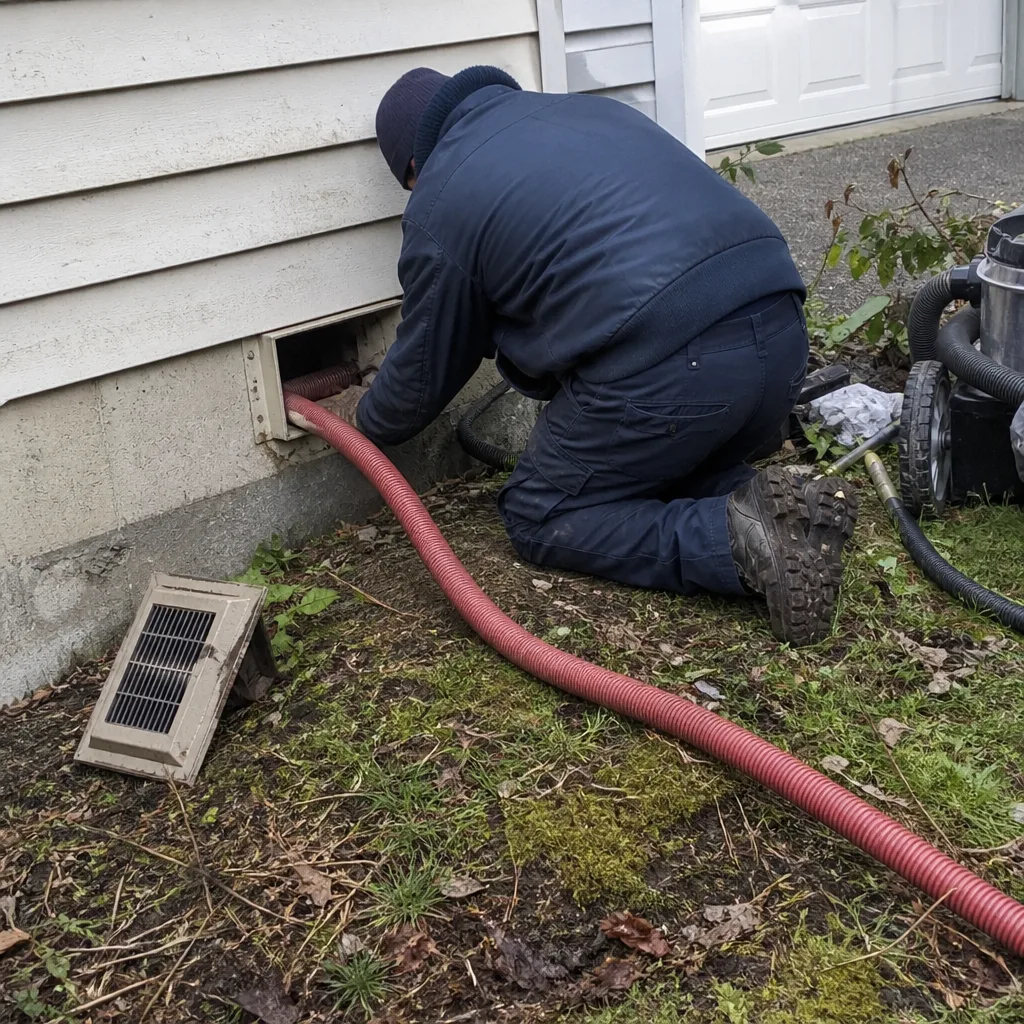
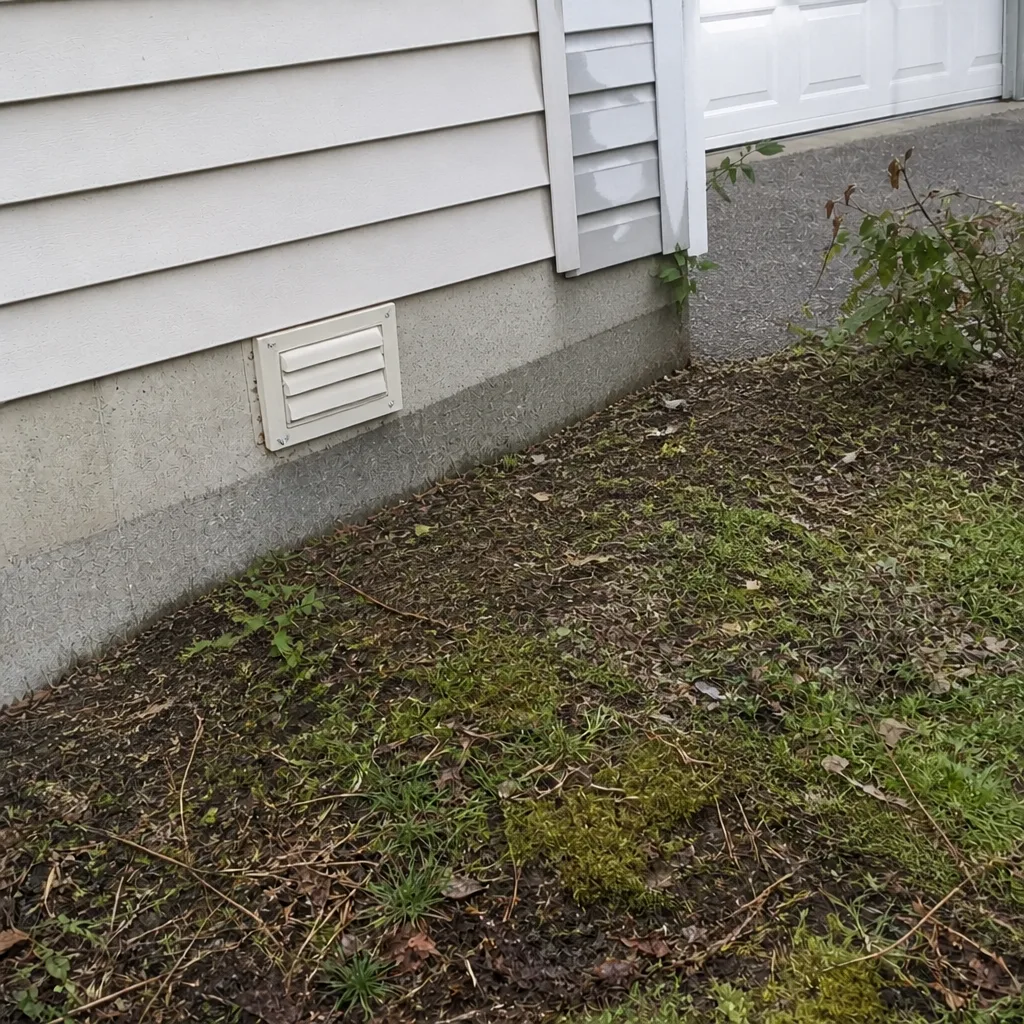
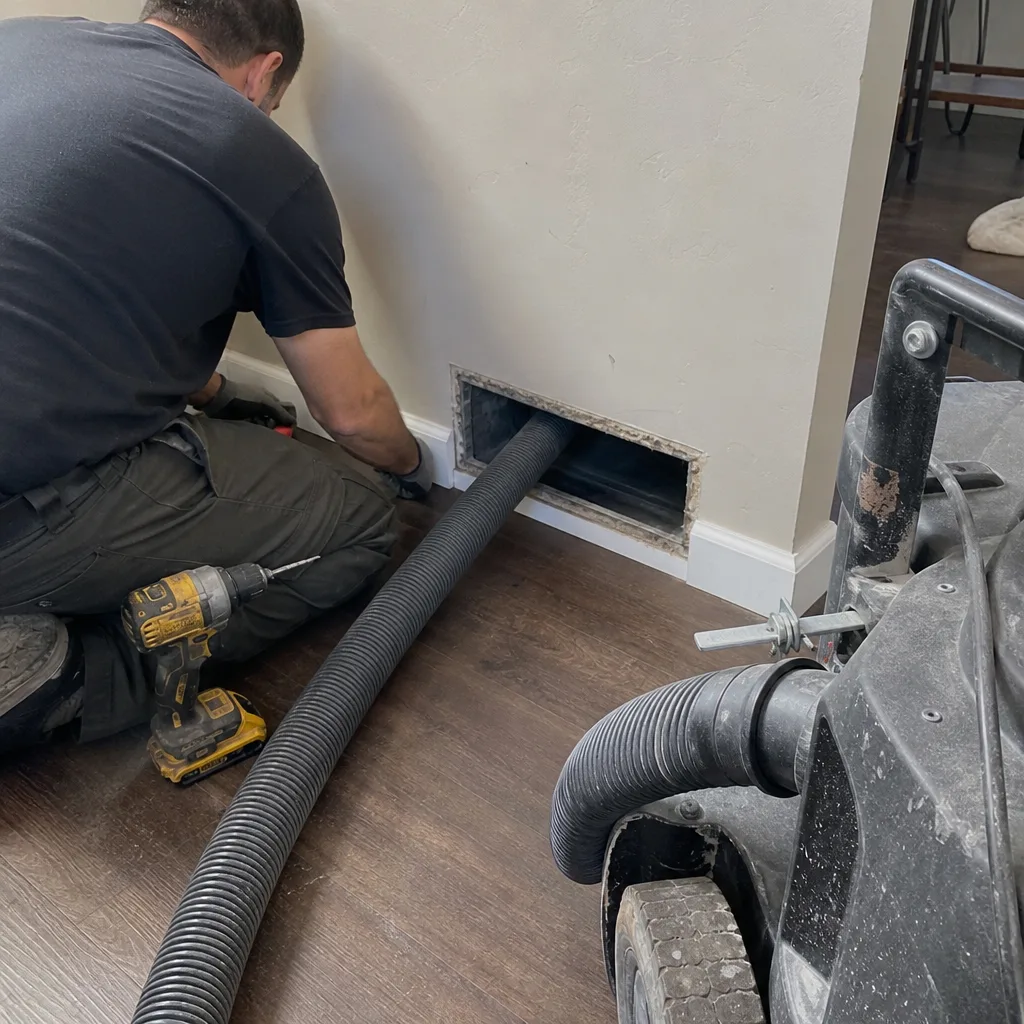
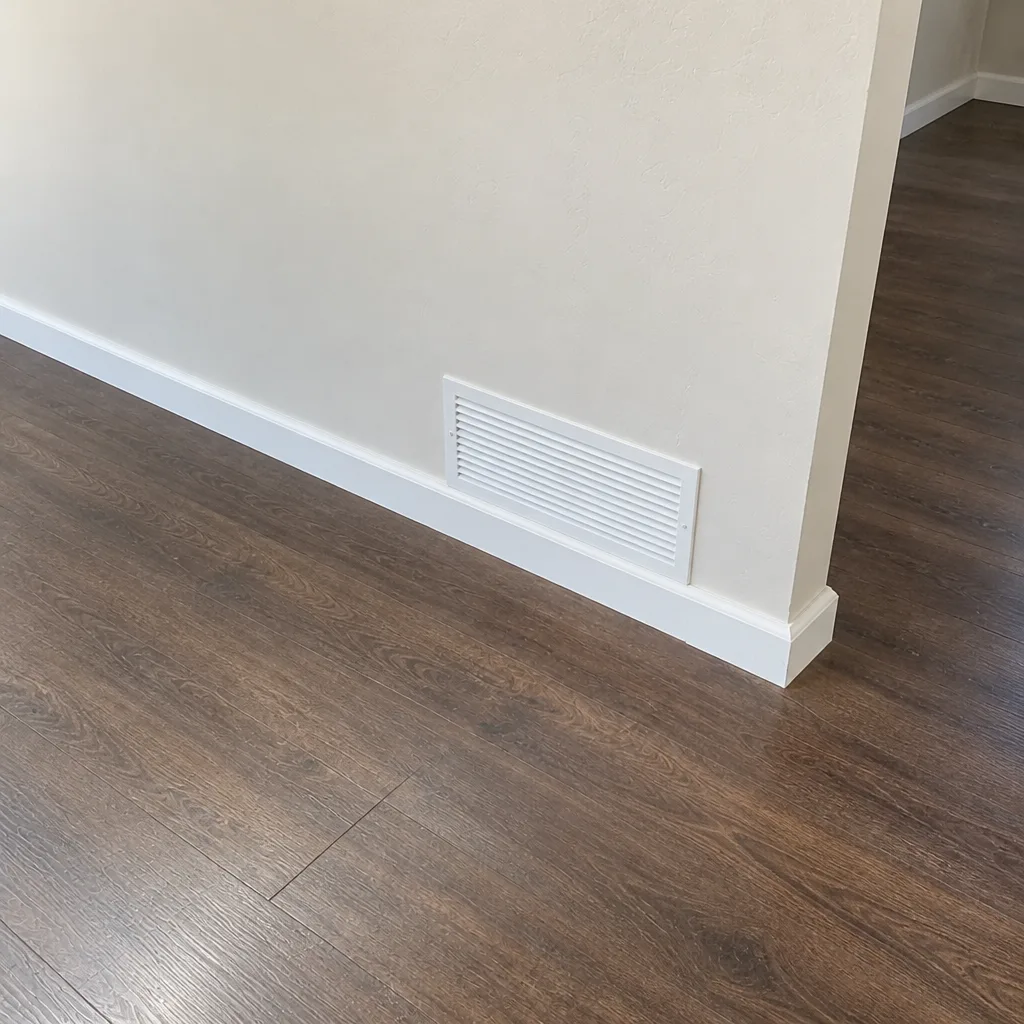
Whole-system duct and dryer vent check with before-and-after photos - you see exactly what came out of your vents
That "$99 whole-house special" is a bait ad - the real number appears once they are in your hallway, or the "clean" is a shop-vac at the register. We photograph the inside of your ducts before and after instead.
DIY vs Professional Air Duct Cleaning: The Lake Stevens Homeowner’s Decision Guide
Most homeowners assume the hard part of air duct cleaning is reaching the ducts. It isn’t. A consumer brush kit and a wet/dry vacuum can handle the first two or three feet of an accessible branch duct behind a register, and that’s a real, honest improvement. What the kit can’t do is reach the contamination that matters most: the debris packed at every 90-degree bend, the joints where two duct sections meet, the trunk line running through your attic, and the plenum sitting directly above your furnace. This guide maps the honest boundary between DIY and professional cleaning, so you can decide what your Lake Stevens home actually needs. Our technicians have up to 10 years of experience, and in that time the most common call we get is from a homeowner who tried the DIY route first and wants to know whether it did any good.
Styles & brands we work with
- Whole-home duct cleaning
- Dryer vent cleaning
- Camera inspection
- Sanitizing & deodorizing
Quick Answer
DIY air duct cleaning can meaningfully improve a single blocked register or lift surface dust from the first few feet of an accessible branch duct, but it cannot clean the trunk line, the plenum, the joints, or the bends of your system, because reaching those areas safely requires disconnecting sections of the ductwork and pulling negative pressure with equipment most homeowners don’t have. A shop vac pushes as much air as it pulls, which can recirculate debris back into the system. Professional cleaning is the right answer for a home with visible mold, rodent activity, recent renovation dust, or more than three years since any cleaning, while DIY is a reasonable interim measure for one vent you can reach safely. Understanding what your tools can and can’t do is more useful than a blanket “always hire a pro” rule.
Table of Contents
- What DIY Kits Actually Clean
- The Equipment Gap: Why a Shop Vac Isn’t Enough
- When DIY Is a Reasonable Interim Measure
- When DIY Risks Making Contamination Worse
- The Cost-Benefit Framing for a Lake Stevens Home
- What a Professional Clean Actually Involves
- Common Mistakes to Avoid
- When to Call a Professional
- Frequently Asked Questions
- The Bottom Line
What DIY Kits Actually Clean
A consumer duct cleaning kit, whether it’s a brush on a flexible rod or a vacuum attachment sold at a hardware store, is designed to clean one thing well: the interior surface of a straight, accessible duct run that terminates at a register you can remove. That’s the scope. The kit reaches into the duct until the brush or hose hits a 90-degree turn, and then it stops, because there’s no way to push a flexible tool through a corner without removing the duct itself.
In most Lake Stevens homes we see, the branch ducts running from the trunk to individual registers are short, often eight to fifteen feet, and they typically have at least one bend. So the realistic reach of a DIY kit is the first two to three feet past the register, and in many cases less. That’s not nothing. If a single register is blowing dust into a bedroom, brushing the first few feet can help. But it’s important to understand what that clean leaves behind.
What the DIY brush and vacuum actually touches
- The first 2 to 3 feet of the branch duct behind each register
- Loose surface dust on the visible interior of the duct
- Debris sitting directly at or on the register grille
- Lint and hair trapped near the vent opening
What the DIY brush and vacuum does not touch
- The trunk line, which is where most of the debris volume accumulates
- The supply plenum directly above the furnace, which is often the dirtiest section
- Any 90-degree bend or elbow in the branch ducts
- The joints where duct sections meet and where debris compacts
- The return duct system, which moves far more air than the supply side
- The interior of the air handler and the evaporator coil (a separate service)
The plenum and trunk line are where contamination that affects air quality tends to concentrate, because that’s where airflow slows and drops suspend. Reaching those areas isn’t a matter of a longer hose; it requires disconnecting the system at specific points and pulling controlled negative pressure at the same time, which is the whole reason professional equipment exists. For a deeper picture of what full-system cleaning covers, our guide to air duct cleaning walks through each stage of the process.
The Equipment Gap: Why a Shop Vac Isn’t Enough
The difference between a shop vac and professional duct cleaning equipment isn’t horsepower or brand. It’s airflow direction. A consumer wet/dry vacuum, even a large one, is a negative-pressure machine in theory but a positive-pressure machine in practice around ductwork: it pulls air toward the canister, but as the canister fills and the filter loads, the exhaust blows fine dust back into the room, and that dust often lands in the same duct system you’re trying to clean. Professional source removal depends on generating enough sustained airflow to entrain debris from deep inside the system and carry it to a HEPA-filtered containment unit without letting it escape.
Professional truck-mounted and high-capacity portable units generate airflow in the range of 500 CFM and up, sustained. That’s the number that matters. At that airflow, the unit isn’t just sucking up what the brush loosens; it’s lifting debris off the duct walls and pulling it all the way back to the containment unit, including debris that loosened but never made it to the brush.
What the professional equipment lineup actually does
In our experience, the results come from the combination, not any single tool. A rotary brush system like a Rotobrush physically dislodges debris from the duct walls, which suction alone cannot do on its own. Negative-air containment equipment such as Nikro prevents the dislodged contamination from recirculating back into the home while that work is happening. A filtration system like Abatement Technologies captures the fine particulate that would otherwise pass through a standard filter. Each piece addresses a different failure mode, and removing any one of them turns a professional clean into a slightly larger version of the DIY clean.
This is the honest equipment boundary: a homeowner cannot buy a machine that generates 500+ CFM of source-removal airflow, cannot safely disconnect and reassemble duct sections, and cannot verify that the debris pulled loose was actually captured rather than redistributed. That’s not a knock on the homeowner. It’s a description of what the work requires.
When DIY Is a Reasonable Interim Measure
There are real cases where a homeowner should pick up a brush kit and handle a specific problem without waiting for a scheduled clean. The key is to treat it as an interim measure aimed at one vent, not a substitute for whole-system cleaning.
Three scenarios where DIY makes sense
- A single register blowing visible dust. If one vent in the house is puffing dust and the others are fine, brushing the first few feet behind that register can reduce the immediate symptom while you schedule a full clean. It’s a stopgap, not a fix.
- Visible debris at an accessible register between professional cycles. Pet hair, lint, and construction dust accumulate at the grille. Removing the grille and vacuuming the register face and the first foot of duct is reasonable housekeeping, and it doesn’t risk anything.
- Recently replaced a register or floor vent cover. If you’ve had the grille off for painting or a flooring project, a quick brush inside the visible duct prevents loose debris from being pulled in when the system next runs.
Notice what these scenarios have in common: they’re all about visible, accessible, surface-level debris. None of them involve mold, pest activity, or a damaged duct, and none of them require you to disconnect anything. If your situation is one of these, a brush kit is a legitimate tool. If it’s anything beyond, reading the next section before you start is worth the five minutes.
A word on Lake Stevens housing stock
Many Lake Stevens homes were built during the 1990s and 2000s building boom, and a large share of those systems use flex duct in the attic runs. Flex duct has a ribbed interior that traps debris at every ridge, and the ribs are exactly what a straight-bristle brush doesn’t clean. Homes closer to the lake and in the hilly neighborhoods above town also tend to run longer duct runs through unconditioned attic space, which means the trunk line accumulates more debris than a compact crawlspace system would. Neither fact makes DIY dangerous, but both narrow the range where DIY actually accomplishes much.
When DIY Risks Making Contamination Worse
This is the section that matters most, and it’s the one most DIY guides skip. There are specific conditions where reaching into a duct with a brush or a shop vac can spread contamination rather than remove it, and those conditions are more common than homeowners expect.
Four situations where you should not DIY
- Suspected mold inside the ductwork. Mold spores are light and easily aerosolized. Brushing a moldy duct surface with a shop vac, without containment or HEPA filtration at the exhaust, can release spores into the room and into the rest of the system. The right response is professional containment and, in many cases, a sanitizing treatment after cleaning, not a brush and a vacuum.
- Evidence of rodent activity. Droppings, nesting material, and the pathogens that come with them require proper containment and disposal. Disturbing rodent debris with a consumer vacuum is a genuine health concern, and it’s the one case where the risk isn’t aesthetic.
- Damaged or disconnected flex duct. A tear, a crushed section, or a joint that has pulled apart means the duct is already leaking. Pushing a brush through a damaged flex run can widen the tear and send debris into the attic or wall cavity, where it becomes a much larger problem than a dirty duct.
- Any system where the trunk line or plenum is the actual problem. If the contamination is in the sections a DIY tool can’t reach, brushing the accessible branch ducts does nothing to solve the underlying issue, and it can stir up debris that then settles deeper in the system.
There’s a structural angle here that most DIY content misses. Even a perfectly executed brush-and-vacuum job on the accessible ducts does nothing about gaps at joints, unsealed connections at the plenum, or the leaks that let attic air, insulation fibers, and outdoor dust into the system in the first place. Clean ducts are only part of the picture; sealed, intact ducts keep them that way. That’s why duct repair and sealing is a distinct service rather than an add-on, and why a system with visible gaps isn’t a DIY candidate even if the ducts look clean.
If you’re in one of these four situations, stop before you start. The cost of a professional assessment is far lower than the cost of spreading contamination through a Lake Stevens home, and a professional can tell you within a few minutes whether the problem is a clean or a repair.
The Cost-Benefit Framing for a Lake Stevens Home
Here’s where honesty helps more than a sales pitch. A DIY duct cleaning kit typically runs from a modest hardware-store purchase up to a few hundred dollars for a brush-and-rod system with a shop vac attachment. Add the time: a Saturday spent removing registers, brushing, vacuuming, and putting everything back, plus the cleanup. That’s a real cost, in money and hours, and it’s worth comparing against what a professional whole-system clean actually delivers for the difference.
What the difference buys you
- Source removal, not surface dusting. Professional equipment generates the 500+ CFM airflow needed to entrain debris from the trunk line and plenum, not just the first few feet of branch duct.
- Containment. Negative-air equipment keeps dislodged contamination from recirculating into the living space during the work, which a shop vac cannot guarantee.
- Full-system scope. Cleaning includes the return side, the supply side, the plenum, and the air handler access, not just the registers.
- Before-and-after documentation. The homeowner sees what was removed, which is the only way to know the work actually happened.
- Sanitizing when warranted. If mold spores, bacteria, or allergens are present, a sanitizing treatment after cleaning addresses biological contamination rather than just debris.
- Repair and sealing. Any gaps, tears, or disconnected joints found during cleaning can be repaired in the same visit, which is a service most duct cleaners don’t offer.
The fair comparison isn’t “DIY cost vs professional cost.” It’s “what the DIY actually removes vs what the professional actually removes, per dollar.” If your ducts are lightly dusty and you have one problematic register, DIY wins on value. If your system hasn’t been cleaned in years, or the house has had a renovation, or anyone in the home has allergies, the DIY clean leaves the largest debris reservoir untouched and the professional clean is the better use of the money.
Lake Stevens market context
In our experience, whole-system duct cleaning in the Lake Stevens area typically runs in the range of a few hundred dollars for a compact single-story home up to the low four figures for a larger two-story with a complex attic run and multiple zones. Sanitizing is quoted separately, as is duct repair and sealing when gaps are found. We recommend asking for a written estimate that lists each service line separately, so you can compare quotes on scope rather than on a headline number. Any estimate should be confirmed in writing before work begins.
What a Professional Clean Actually Involves
If you’ve decided to hire, it helps to know what the visit should look like from start to finish. The sequence below is the standard source-removal process, and any professional clean you book should follow something close to it. This is a walkthrough, not a set of DIY instructions; the containment and equipment setup is what makes the process safe and effective.
- System inspection. Before any cleaning begins, the technician inspects the ductwork for damage, disconnected joints, mold, and pest activity. If anything is found that changes the plan, you should hear about it before work starts, not after.
- Containment setup. Negative-air equipment is positioned to pull contamination out of the system and into a HEPA-filtered unit, and registers and access points are sealed so the rest of the home is protected.
- Source removal from the supply and return sides. Rotary brush equipment dislodges debris from the duct walls while the negative-air unit pulls it back to containment. This covers the trunk line, the branch ducts, the plenum, and the return side, not just the visible registers.
- HVAC cleaning. The air handler, blower, and accessible coil surfaces are cleaned separately, since these are part of the air pathway even though they aren’t ductwork. Our guide to HVAC cleaning covers what that service includes.
- Sanitizing, when warranted. If biological contamination is present, an air quality sanitizing treatment is applied after cleaning to address mold spores, bacteria, and allergens. This is a distinct service from cleaning, not a substitute for it.
- Repair and sealing findings. Any gaps, tears, or disconnected joints found during cleaning are documented, and duct repair and sealing can be scheduled or completed to close the system back up.
- Verification and before-and-after documentation. Photos of the ductwork before and after the clean let you see what was actually removed.
Dryer vent cleaning follows a similar principle and is worth scheduling at the same time if you’ve never had it done. Lint accumulation in a dryer vent is a fire concern, not just an efficiency one, and it’s outside the scope of what a DIY duct kit can address safely. Our dryer vent cleaning page covers what that visit involves.
One more note on the equipment. Using professional-grade equipment means using tools designed for the work, not consumer versions of them. The filtration systems from Abatement Technologies that remediation professionals rely on for mold and hazardous-material work are the same equipment class used in a proper duct clean, and that’s the standard we hold our work to. The same logic applies to the air quality products we install: brands like Aprilaire are sourced and installed because their performance is documented, not because the name sounds familiar.
Common Mistakes to Avoid
- Using a shop vac without HEPA filtration. Standard shop vac exhaust sends fine dust back into the room, and in a Lake Stevens home with a finished basement or a recirculating HVAC system, that dust often ends up back in the ductwork. If you’re going to vacuum a register, use a vacuum with a HEPA filter and seal the opening around the hose as best you can.
- Brushing a moldy or rodent-contaminated duct. This is the mistake with the most consequence. If you see discoloration, musty smells coming from a register, or droppings near the duct, stop and get a professional assessment before any tool touches the inside of the duct.
- Assuming a clean trunk line means a clean system. Homeowners often vacuum the visible branch duct and assume the job is done. The trunk line and plenum hold the majority of the debris, and they are not visible or reachable without professional equipment.
- Running the system immediately after a DIY clean. Loose debris that wasn’t captured will be pulled back into the system the moment the furnace kicks on. Wait, then check the register filter, rather than run the system right after brushing.
- Cleaning one room’s ducts and skipping the return side. The return duct moves far more air than any single supply, and it’s the section that collects the most dust in a typical Lake Stevens home. Cleaning only the supply registers leaves the largest reservoir untouched.
- Skipping duct repair after cleaning. Cleaning a system with gaps or disconnected joints means the clean ducts will simply refill through those gaps. Ask about sealing before you book a clean, not after.
- Treating a dirty-duct smell as a cleaning problem when it’s an HVAC problem. A musty smell can come from the evaporator coil or a wet drain pan, not the ducts. If the smell returns quickly after cleaning, the source is elsewhere and needs a technician’s eye.
When to Call a Professional
Call a professional when the situation goes beyond a single visible register. That means visible mold or musty odors coming from any vent, evidence of rodent or pest activity, a duct system that has never been cleaned or hasn’t been cleaned in years, recent renovation or construction dust, a home with allergy or asthma concerns, any suspected tear or disconnect in flex duct, and any time a dryer vent is involved. Each of these is a situation where the DIY reach stops well short of the problem, and where the containment and source removal that professional equipment provides is the difference between solving the issue and spreading it.
Lake Stevens Air Duct Cleaning offers free estimates in Lake Stevens – call (855) 726-7819. We assess the full air pathway, from return vents to supply registers, tell you honestly whether the job needs a clean, a sanitizing treatment, or a repair, and quote each service line in writing so you can decide with clear numbers in front of you.
Frequently Asked Questions
In our experience, whole-system air duct cleaning in the Lake Stevens area typically runs from the low hundreds for a smaller single-story home up to the low four figures for a larger two-story with complex attic runs and multiple zones. Sanitizing and duct repair are quoted separately. The written estimate sets the final price, and it should list each service line individually so you can compare scope. Call (855) 726-7819 for an exact quote on your system; estimates are free.
Cheap quotes usually reflect a smaller scope, not a better price. Some companies quote a per-vent rate that only covers a surface vacuum of the registers, which is roughly what you could do yourself with a brush kit. A source-removal clean that covers the trunk line, return side, plenum, and air handler is a different job with different equipment and a different price. Ask what the quote includes before comparing numbers, and ask whether the company uses negative-air containment and rotary brush equipment. Call (855) 726-7819 for a written itemized estimate.
The most reliable answer is before-and-after photos of your own ductwork, taken inside the system. A professional clean should document the condition of the ducts before and after so you can see what was removed. You should also be able to see the equipment in use, including the containment unit and the rotary brush. If a company can’t show you documentation of the work in your home, that’s a signal to ask questions before booking. Call (855) 726-7819 to request a free estimate and ask about documentation.
For most Lake Stevens homes, a whole-system clean every few years is a reasonable rhythm, and the honest answer is that it depends on the home. Homes with pets, allergy or asthma concerns, recent renovations, or a system that has never been cleaned need it sooner. Homes with newer sealed ductwork and no allergy concerns can go longer. There’s no single number that fits every house. Call (855) 726-7819 and we’ll assess your system and give you an honest interval; estimates are free.
Yes, for the registers themselves, and that’s a reasonable bit of housekeeping. Removing the grille and vacuuming the register face with a HEPA-filtered vacuum doesn’t risk anything and it does reduce visible dust. What it doesn’t do is clean the trunk line, the plenum, the return side, or the bends in the branch ducts, which is where most of the debris and any air quality concern actually lives. Call (855) 726-7819 if you want the full system assessed.
The local climate matters less than the specific house. Homes with longer duct runs through unconditioned attic space, flex duct with ribbed interiors that trap debris, and forced-air systems that move large volumes of air tend to accumulate more contamination over a given period. If your home has any of those, cleaning sooner rather than later is sensible. The best way to know is an in-person assessment. Call (855) 726-7819 to book a free estimate; we answer 24/7 and fast dispatch from 7am to 7pm runs Sunday through Friday.
The Bottom Line
DIY duct cleaning isn’t dangerous and it isn’t useless. It’s structurally limited. A brush and a shop vac will reach the first few feet of an accessible branch duct, which is worthwhile for a single blocked register or routine housekeeping. It will not reach the trunk line, the plenum, the return side, or any 90-degree bend, and it can’t provide the negative-air containment that keeps dislodged contamination from recirculating. If your ducts are lightly dusty and you have one problem vent, DIY is a fair choice. If you’ve got mold, pest activity, a damaged flex run, or a system that hasn’t been cleaned in years, the reach of a DIY kit stops well short of the problem, and the professional equipment exists precisely because of that gap. For help deciding, book a free estimate and we’ll walk the full pathway in your Lake Stevens home.
Call (855) 726-7819. We answer 24/7. Fast dispatch from 7am to 7pm, Sunday through Friday. Every estimate is free, every price is set per job by the written estimate, and you get before-and-after photos of your own ducts so you can see exactly what was removed. Our technicians have up to 10 years of experience, and our full-service scope covers air duct cleaning, dryer vent clearing, HVAC cleaning, air quality sanitizing, and duct repair and sealing, so one visit can address cleaning, sanitizing, and system integrity together.
If you’re not sure where to start, begin with the service page for your situation or call us and describe what you’re seeing. When you’re comparing options, the honest test for any company is simple: will they tell you what your system needs, in writing, before they pick up a tool? That’s the standard we hold our work to, and it’s the standard you should expect.
We don’t just clean what you can see – we address what your HVAC system moves every day. Whether you’re in a lakefront home, a newer build on the hills above town, or a property you manage in the Lake Stevens area, the right first step is an assessment. A short conversation about what you’re seeing and smelling can save you a weekend with a brush kit and a shop vac, or confirm that your own interim clean was a smart call. Either outcome is a good one. Call (855) 726-7819 today for a free estimate.
Written by the team at Lake Stevens Air Duct Cleaning.
See the difference
 Before
 After
 Before
 After
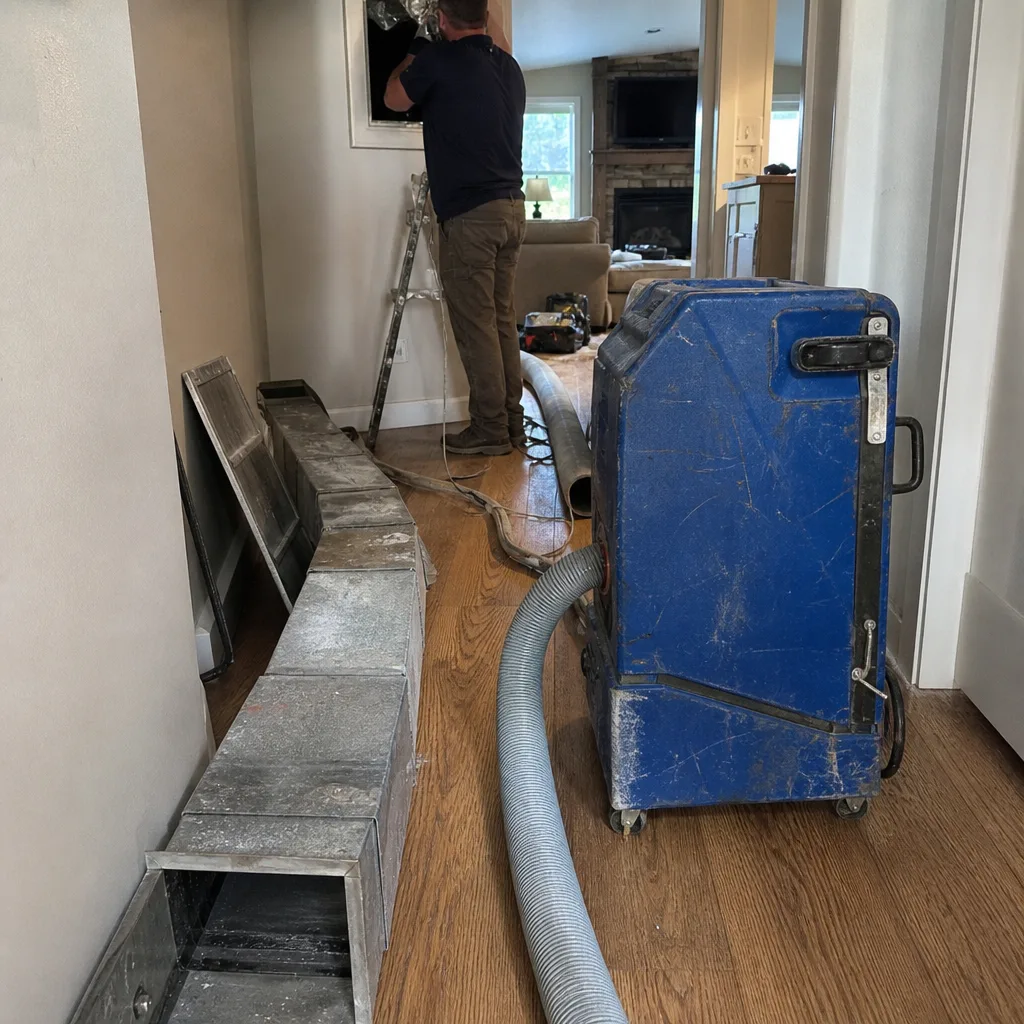 Before
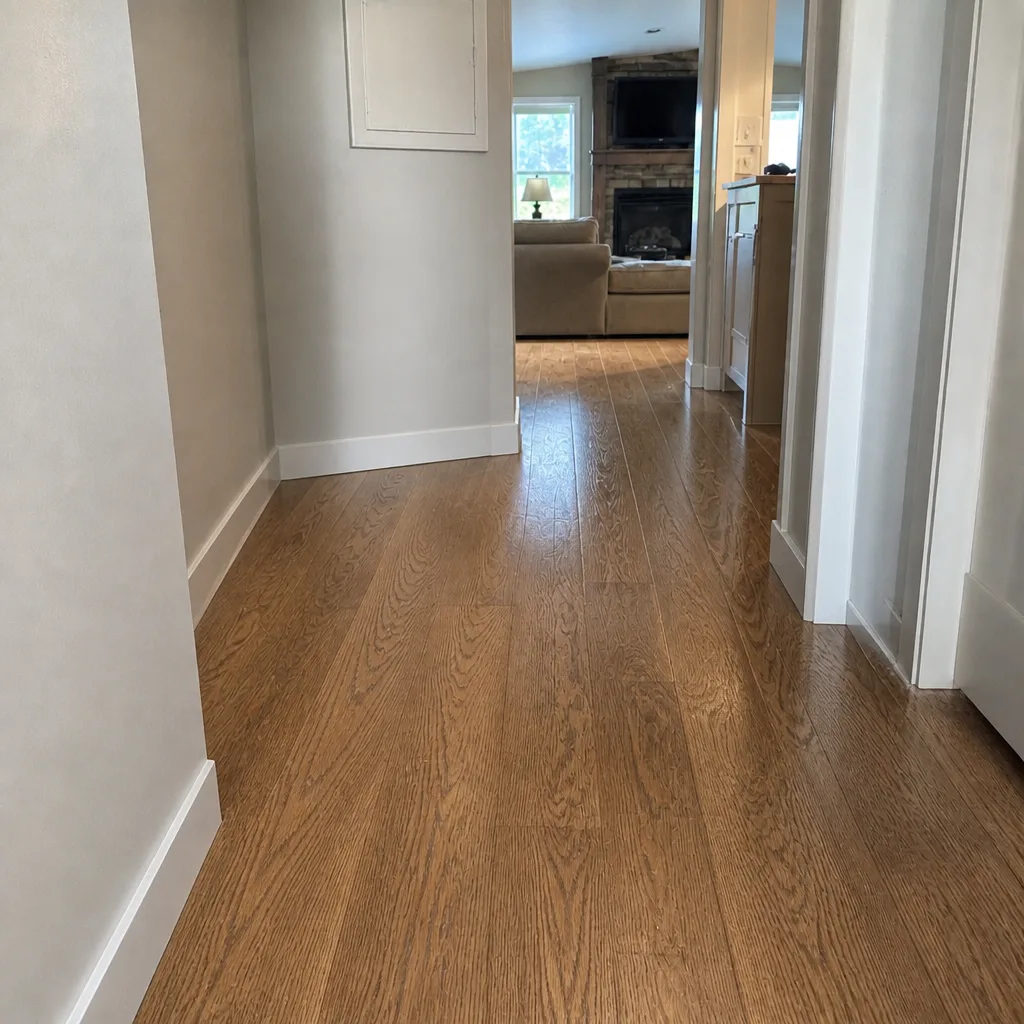 After